 Oil-
Oil-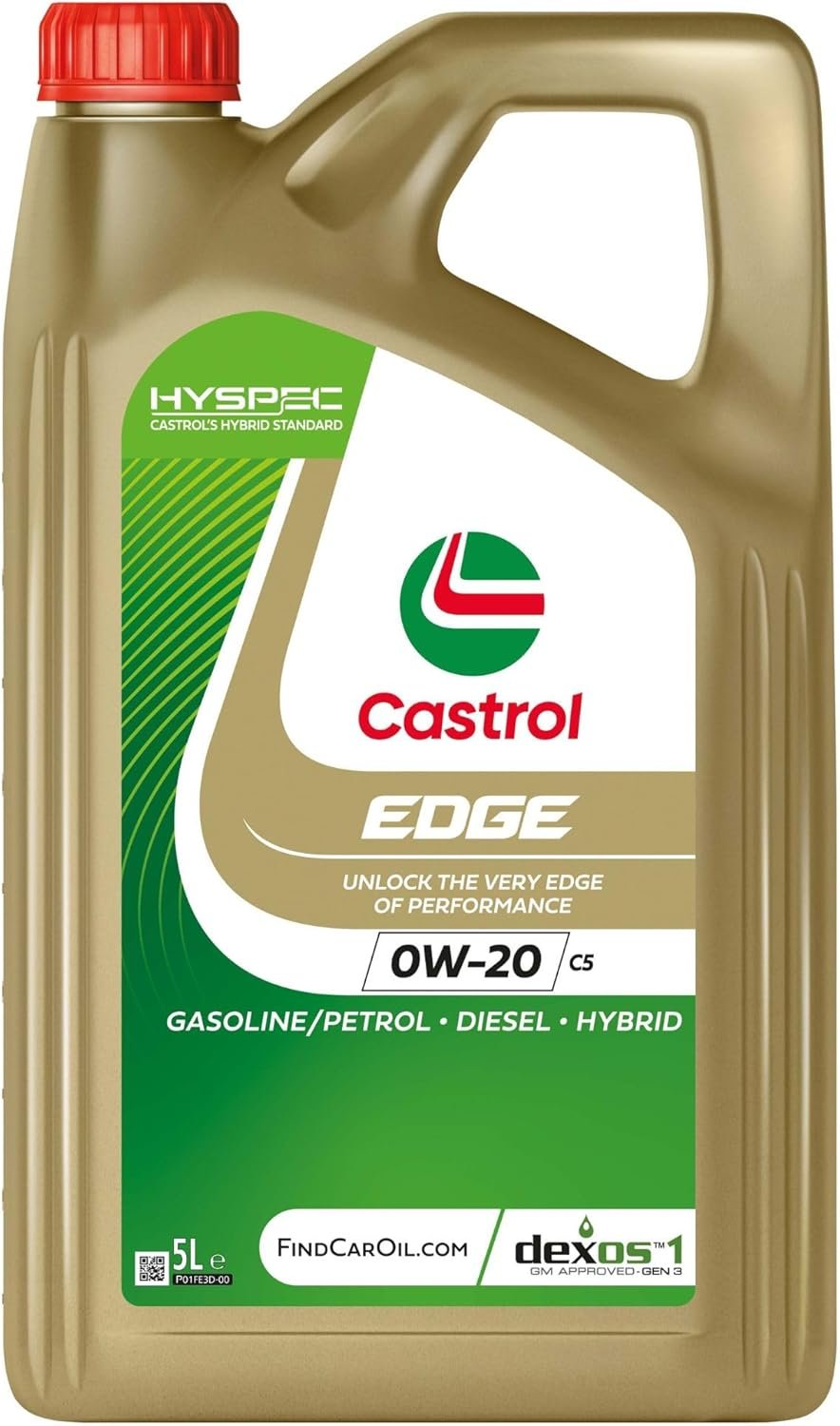
As an Amazon Associate, we may earn from qualifying purchases. This doesn't affect our recommendations — we only suggest oils that hold the exact OEM approval for your engine.
Best Engine Oil for Subaru Forester SK 2.5L Boxer (182 HP) — FB25
The fifth-generation Subaru Forester (SK, 2019-present) is powered by a naturally aspirated 2.5-liter horizontally opposed four-cylinder engine known internally as the FB25. Producing 182 horsepower and 176 lb-ft of torque, it is paired exclusively with a Lineartronic CVT and Subaru’s symmetrical all-wheel drive system. The Forester has earned its reputation as one of the most capable compact SUVs for families who need real ground clearance, genuine all-weather traction, and the mechanical simplicity of a naturally aspirated engine in a segment increasingly dominated by turbocharged alternatives. The FB25 is a proven powerplant with a production history stretching back to 2010, but it carries a well-documented oil consumption history that every owner must understand. Choosing the correct oil and maintaining disciplined change intervals is the single most important thing you can do to protect this engine over 200,000 miles and beyond.
Quick Answer: Recommended Oil
For Subaru Forester SK 2.5L Boxer (182 HP, FB25):
- Specification: API SP / ILSAC GF-6A
- Viscosity: SAE 0W-20
- Oil capacity: 5.5 quarts with filter (5.1 quarts without)
Important: Subaru specifies 0W-20 as the only recommended viscosity for the FB25 in the Forester SK. Do not use 5W-20 or 5W-30. The horizontally opposed cylinder layout, combined with tight bearing clearances and the CVT’s demand for consistent engine RPM behavior, requires the flow characteristics of 0W-20 at all operating temperatures.
The FB25 Boxer Engine
The FB25 is a 2,498cc horizontally opposed (boxer) four-cylinder engine that Subaru introduced in 2010 as a replacement for the aging EJ25. The boxer configuration places cylinders flat on either side of the crankshaft, lowering the engine’s center of gravity and contributing to the Forester’s composed handling on winding mountain roads and gravel trails. For the SK generation (2019+), the FB25 received significant revisions: a dual-port and direct injection system (Subaru calls it a “dual AVCS” setup with both port and direct injectors), a higher compression ratio of 12.5:1, and revised piston ring design that directly addressed the oil consumption issues that plagued earlier versions.
The engine produces 182 horsepower at 5,800 RPM and 176 lb-ft of torque at 4,400 RPM. These are modest figures by modern standards, but the FB25’s power delivery is remarkably linear. There is no turbo lag, no sudden surge, and no narrow powerband. Torque builds smoothly from low RPM, which suits the Forester’s role as a family adventure vehicle hauling cargo, bikes, and kayaks at moderate speeds. The CVT keeps the engine in its efficient operating range, and combined fuel economy reaches 29 MPG in most trim levels.
The boxer layout does create specific lubrication challenges. With cylinders oriented horizontally, oil must travel laterally rather than draining vertically by gravity alone. The piston rings and cylinder walls on the lower half of each cylinder bear greater oil film loads, and oil return from the heads follows a longer, more complex path back to the sump. These characteristics make oil quality and viscosity selection more critical than in a conventional inline or V-configuration engine.
Understanding Subaru Oil Specifications
Subaru follows the American Petroleum Institute (API) and ILSAC classification system rather than maintaining a proprietary oil approval program. The Forester SK requires oil meeting API SP, the current service category introduced in 2020, paired with ILSAC GF-6A for fuel economy compliance.
API SP includes critical protection against low-speed pre-ignition (LSPI). While LSPI is primarily associated with turbocharged engines, the FB25’s 12.5:1 compression ratio and direct injection system can produce similar combustion anomalies under specific high-load conditions, particularly when towing or climbing grades at sustained throttle. API SP oils also include improved oxidation resistance and enhanced protection for timing chains, both relevant to the FB25’s long-term durability.
ILSAC GF-6A mandates specific fuel economy performance while maintaining wear protection. The standard ensures that 0W-20 oils deliver genuine friction reduction at operating temperature without sacrificing the anti-wear film strength that protects camshaft lobes, rocker arms, and crankshaft journals. For the boxer engine, where oil film integrity on horizontally oriented cylinder walls is paramount, this balance between thin viscosity and protective film strength is essential.
Subaru does not list any alternative viscosity for the SK Forester. Unlike some manufacturers that allow 5W-20 or 5W-30 in extreme temperatures, Subaru’s position is clear: 0W-20 year-round, regardless of climate.
Technical Specifications: 2.5L Boxer (FB25)
| Specification | Value |
|---|---|
| Displacement | 2,498cc (2.5 liters) |
| Layout | Horizontally opposed 4-cylinder (Boxer), aluminum block and heads |
| Valvetrain | DOHC, 16 valves, dual AVCS (intake and exhaust), timing chain |
| Fuel System | Dual injection (port + direct) |
| Compression Ratio | 12.5:1 |
| Power | 182 HP @ 5,800 RPM |
| Torque | 176 lb-ft @ 4,400 RPM |
| Transmission | Lineartronic CVT (standard) |
| Drivetrain | Symmetrical AWD (standard) |
| Fuel Type | Regular unleaded (87 octane minimum) |
| Recommended Viscosity | SAE 0W-20 |
| Oil Capacity (without filter) | 5.1 quarts (4.8 liters) |
| Oil Capacity (with filter) | 5.5 quarts (5.2 liters) |
| Oil Specification | API SP / ILSAC GF-6A |
Best Value: Pennzoil Platinum Full Synthetic 0W-20 Pennzoil’s PurePlus gas-to-liquid base stock technology produces an exceptionally clean base oil with fewer impurities than conventional crude-derived synthetics. This translates to strong oxidation resistance and cleaner pistons. Meets API SP and ILSAC GF-6A with a well-balanced additive package. Consistently priced at $24-28 for 5 quarts, with frequent promotions and rebates that can bring the effective cost under $20.
Oil Change Intervals
Subaru Official Recommendation:
- 6,000 miles or 6 months, whichever comes first
Recommended Practice: 5,000 miles or every 6 months.
Subaru’s 6,000-mile interval is conservative by industry standards, which reflects the company’s awareness of the FB25’s oil consumption history. For the SK generation Forester, this interval is reasonable for highway-dominant driving in moderate climates. However, Forester owners frequently use their vehicles in conditions that qualify as severe service: frequent short trips, cold-weather operation, dusty gravel roads, towing, and sustained low-speed driving in heavy traffic.
Vehicles driven primarily on short trips of under 10 miles deserve particular attention. The FB25 takes longer to reach full operating temperature than a conventional inline engine because the boxer layout presents greater surface area for heat dissipation. Oil that never reaches sustained operating temperature accumulates moisture and fuel contamination faster, degrading viscosity and additive effectiveness. If your Forester primarily serves school runs, grocery trips, and short commutes, shortening the interval to 5,000 miles or even 4,000 miles during winter is prudent insurance.
Check the oil level every 1,000 miles. This is not optional for FB25 ownership. Even the revised SK-generation engine may consume up to 1 quart per 3,000-4,000 miles under Subaru’s own guidelines. Keep a spare quart in the cargo area.
Why Correct Oil Matters for the FB25
The boxer engine layout amplifies the consequences of poor oil selection. In a conventional inline engine, gravity assists oil drainage from the cylinder walls between combustion events. In the FB25, the horizontal cylinder orientation means oil film on the lower cylinder wall must resist gravity pulling it toward the combustion chamber throughout the intake and compression strokes. The piston rings must do more work to control oil film thickness, and any degradation in oil viscosity or ring seal directly increases oil consumption.
The FB25’s direct injection system introduces carbon buildup on the back of intake valves over time, a characteristic shared by all direct-injected engines. The port injection system in the SK-generation FB25 mitigates this by washing the valve backs with fuel, but quality oil with strong detergent additives remains important for keeping combustion chamber deposits under control.
The CVT transmission holds the engine at sustained RPM under load, which means the FB25 frequently operates at steady-state conditions that maintain consistent oil temperature and pressure. This is actually favorable for lubrication, but it also means the oil temperature remains elevated for longer periods during highway driving, increasing oxidation rates. Oils meeting API SP are formulated to resist this sustained thermal stress.
Oil Consumption: The FB25’s Known History
The FB25 engine family has a well-documented oil consumption history that every Subaru owner should understand in context. The worst-affected engines were the original FB25 units produced between 2011 and 2014, particularly the 2011-2012 model years. These early engines used piston ring designs that allowed excessive oil past the rings and into the combustion chamber. Subaru faced a class action lawsuit and ultimately extended warranty coverage for oil consumption on affected vehicles, offering piston ring replacement for engines consuming more than 1 quart per 1,200 miles.
The SK-generation Forester (2019+) benefits from multiple rounds of piston ring redesign and manufacturing process improvements. Oil consumption on these later engines is significantly reduced compared to the first-generation FB25, but it has not been eliminated entirely. Subaru considers consumption of up to 1 quart per 3,000 miles normal for the FB25. Many owners report lower consumption than this, but some report rates closer to 1 quart per 2,000-2,500 miles, particularly during the engine’s break-in period (first 10,000-15,000 miles).
Counterintuitively, lightly driven Foresters can exhibit higher oil consumption rates than those driven regularly at highway speeds. Engines that rarely reach sustained operating temperature do not allow the piston rings to fully seat against the cylinder walls or maintain the optimal oil film dynamics that the boxer design requires. Highway driving at consistent RPM and load actually conditions the rings and reduces long-term consumption.
Subaru also extended the CVT warranty to 10 years or 100,000 miles on many Forester models, reflecting the transmission’s importance to the overall powertrain system. While this is a transmission rather than engine issue, it underscores the value of overall powertrain maintenance, and clean, properly specified engine oil supports the CVT’s torque converter and fluid coupling behavior.
Common FB25 Problems Related to Oil
Excessive Oil Consumption (All FB25 Generations): As detailed above, oil consumption is the primary oil-related concern. For SK Forester owners, the practical response is simple: check the level regularly and top off as needed. Using the correct 0W-20 API SP oil minimizes consumption by maintaining proper viscosity and piston ring lubrication. Switching to a heavier oil (5W-30) does not reduce consumption and can increase cold-start wear.
Valve Cover Gasket Seepage (60,000-90,000 Miles): The boxer layout positions the valve covers on the sides of the engine rather than on top, which changes the gasket loading pattern compared to an inline engine. Over time, gasket material hardens and seepage develops, visible as oil residue on the lower edges of the valve covers. This is a known wear item on the FB25 and typically costs $400-600 to address at a shop due to the access requirements of the boxer layout.
Head Gasket Concerns: Earlier Subaru boxer engines (EJ series) were notorious for head gasket failures. The FB25 uses a multi-layer steel head gasket design that is significantly more durable than the composite gaskets used in EJ engines. Head gasket failures on the FB25 are rare. Maintaining proper oil and coolant levels and avoiding overheating keeps these gaskets healthy.
Conclusion
The Subaru Forester SK 2.5L Boxer (FB25) requires 5.5 quarts of API SP / ILSAC GF-6A compliant SAE 0W-20 full synthetic engine oil at every service. The horizontally opposed engine layout, direct injection system, and the FB25’s documented oil consumption history all demand attention to oil quality and monitoring that goes beyond what most conventional engines require.
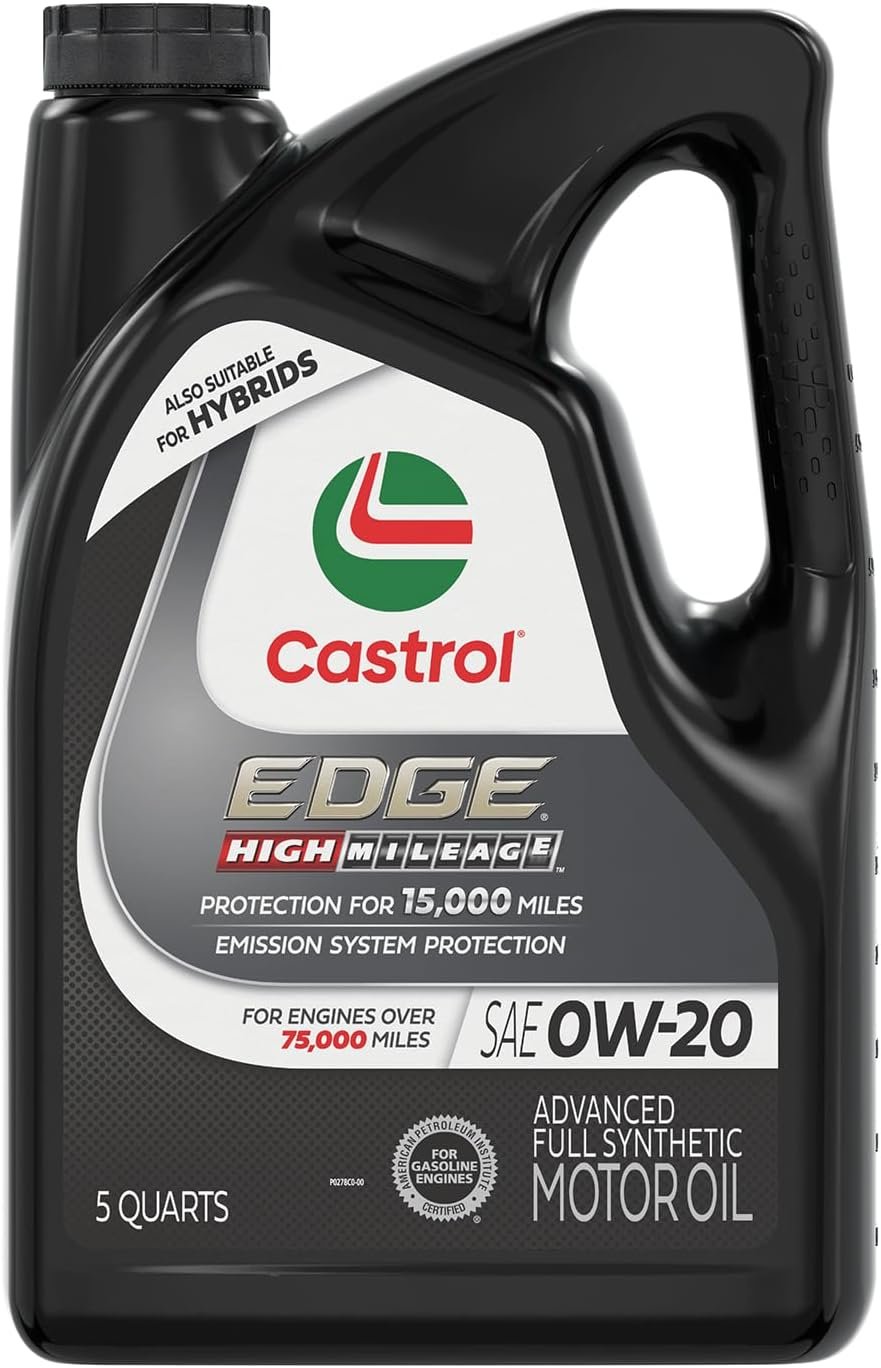
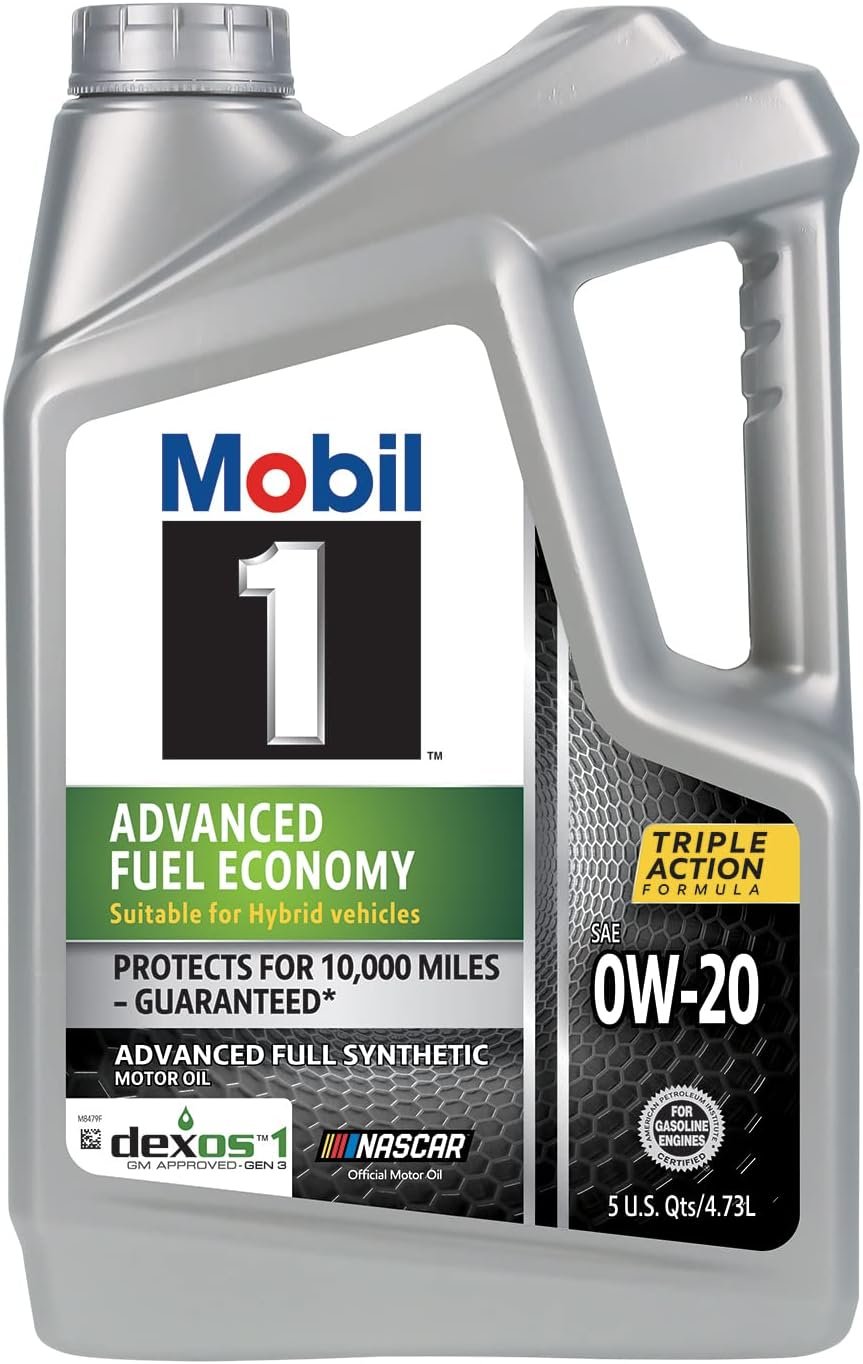
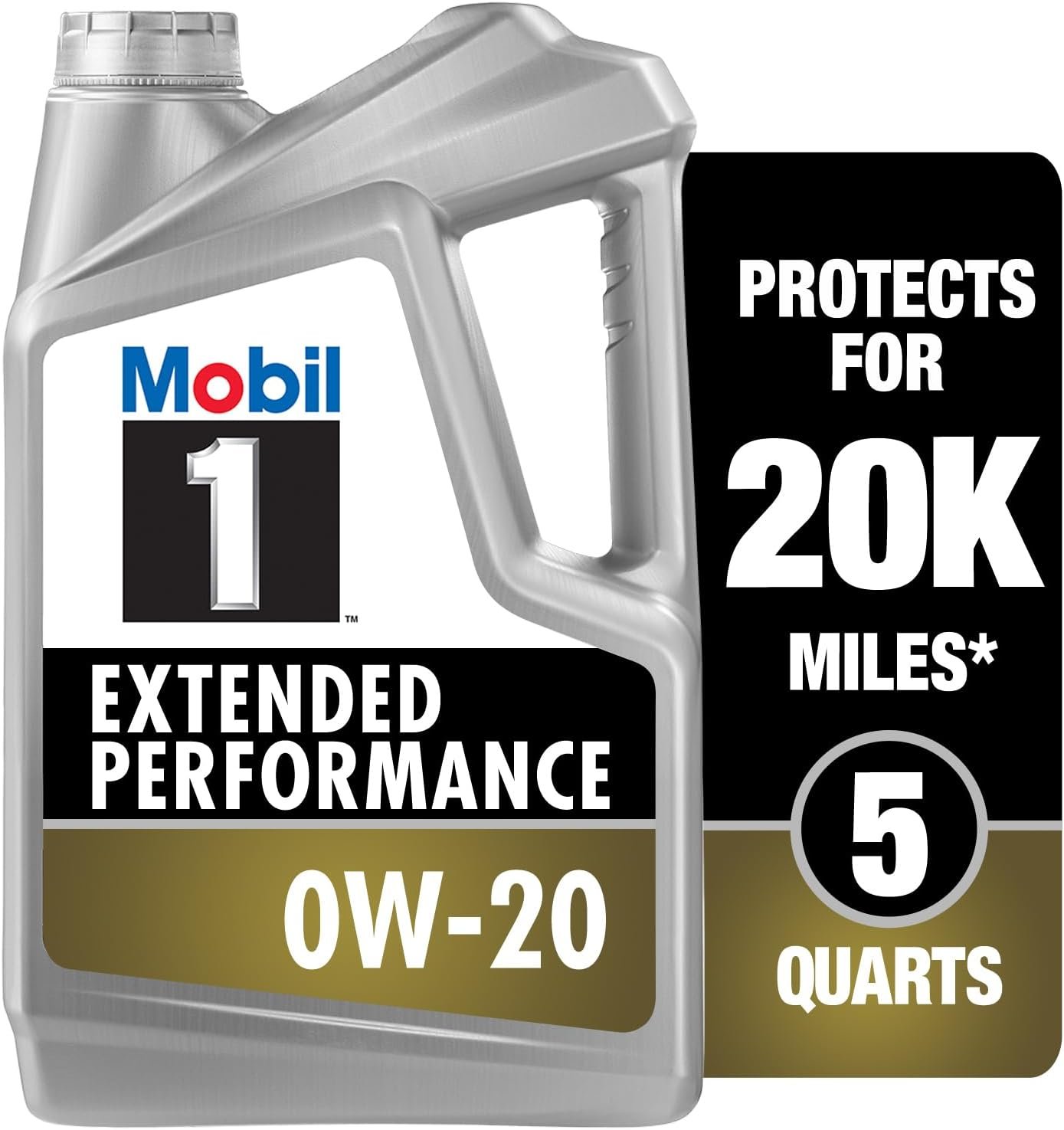
Choose Subaru Genuine 0W-20, Mobil 1 Advanced Fuel Economy, Castrol EDGE Advanced, or Pennzoil Platinum Full Synthetic, all in 0W-20 meeting API SP. Change the oil at 5,000 to 6,000 miles. Check the dipstick every 1,000 miles and keep a spare quart on hand. Do not switch to a heavier viscosity in an attempt to reduce consumption.
The FB25 in SK-generation Foresters is a fundamentally reliable engine that routinely reaches 200,000 miles and beyond when maintained correctly. The early oil consumption problems that defined the first-generation FB25 have been substantially addressed through piston ring redesign, and the current engine is a far more refined unit. Treat oil maintenance as the foundation of your Forester’s longevity, and this boxer engine will reward you with years of dependable service on every road, trail, and adventure you point it toward.
Our Top Picks
As an Amazon Associate, we may earn from qualifying purchases. This doesn't affect our recommendations — we only suggest oils that hold the exact OEM approval for your engine.