 Oil-
Oil-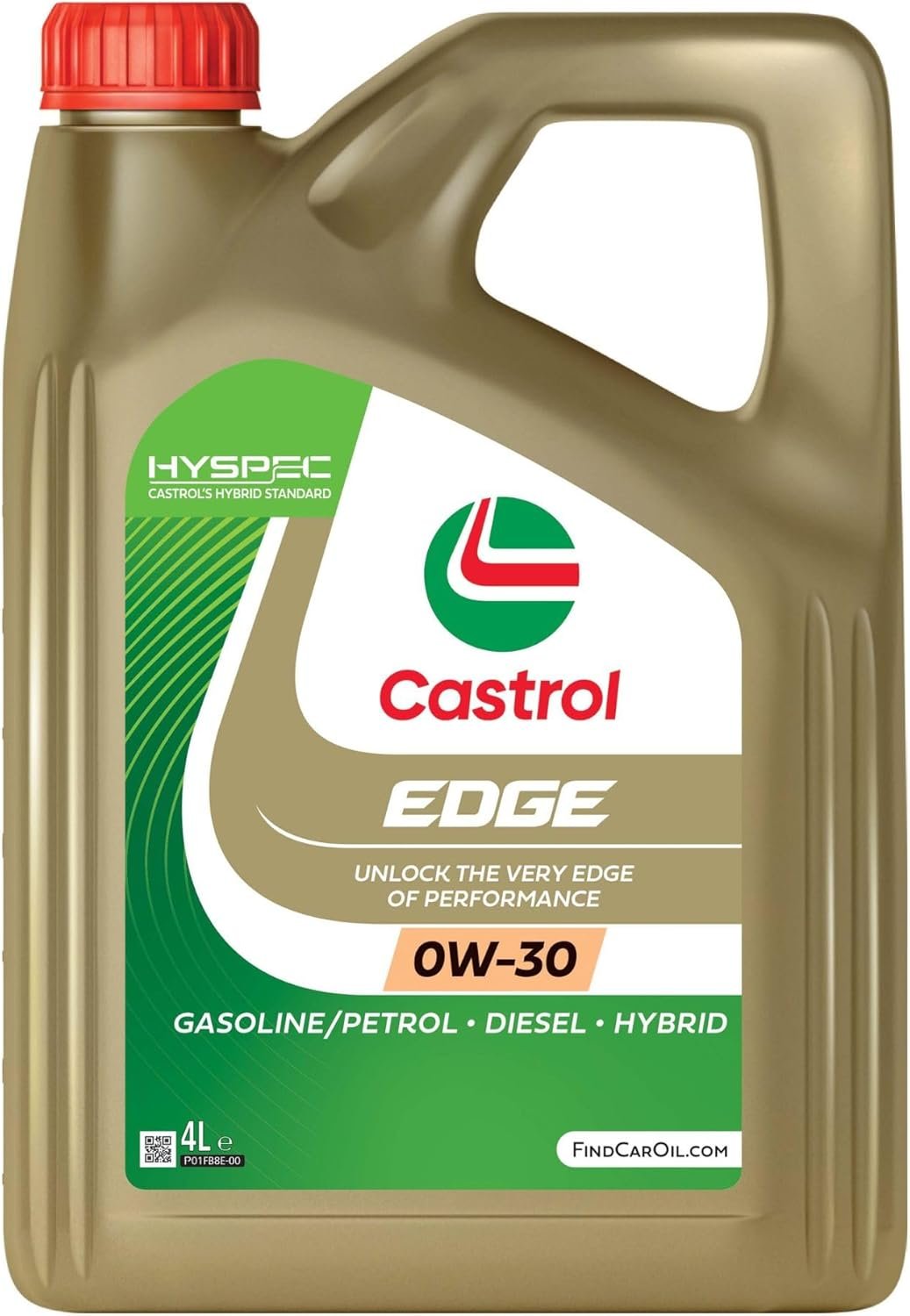
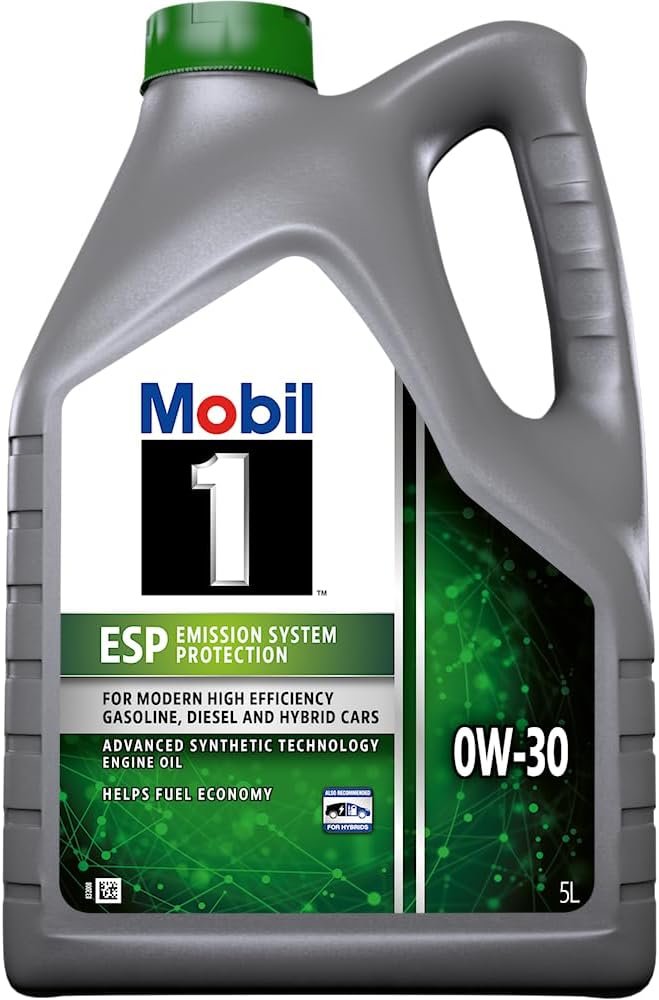

As an Amazon Associate, we may earn from qualifying purchases. This doesn't affect our recommendations — we only suggest oils that hold the exact OEM approval for your engine.
Best Engine Oil for Mazda CX-5 KF 2.2 SKYACTIV-D Diesel (150 HP)
The second-generation Mazda CX-5 (KF, 2017 onwards) fitted with the 2.2-litre SKYACTIV-D diesel is one of the most technically distinctive diesel SUVs on UK roads. The SH-VPTS engine code identifies a 2,191cc four-cylinder turbodiesel producing 150 HP and 380 Nm of torque, but its defining characteristic is an unusually low compression ratio of 14.0:1 — the lowest of any production diesel engine. Mazda engineered this low compression to reduce combustion temperatures and NOx emissions at source, rather than relying entirely on aftertreatment systems. The result is a cleaner, more refined diesel that meets Euro 6d standards with less exhaust intervention than most competitors. However, this engineering approach creates a specific ownership challenge. The CX-5 2.2 diesel’s DPF regeneration cycle, combined with its sensitivity to driving patterns, makes oil selection and monitoring more critical than on almost any other diesel SUV in this class. DPF clogging and oil dilution from incomplete regeneration cycles are the dominant reliability concerns, and both are directly influenced by the oil you put in the engine. This guide covers the correct specifications, capacity, and best oils to protect your CX-5’s DPF and engine for the long term.
Quick Answer: Recommended Oil
For Mazda CX-5 KF 2.2 SKYACTIV-D (150 HP, SH-VPTS):
- Recommended viscosity: SAE 0W-30
- Oil capacity: 4.2 litres with filter (3.9 L without)
- Required norm: ACEA C3
Key point: ACEA C3 is mandatory for the SH-VPTS engine. This specification defines a low-SAPS (Sulphated Ash, Phosphorus, Sulphur) oil chemistry that limits the non-combustible metallic ash entering the diesel particulate filter. Using a conventional 0W-30 without ACEA C3 compliance accelerates permanent ash accumulation inside the DPF, eventually requiring a forced regeneration at a dealer (£200-300) or complete DPF replacement (£1,200-1,800). Always verify ACEA C3 on the bottle before adding oil to a CX-5 SKYACTIV-D.
The SH-VPTS Engine: Mazda’s Low-Compression Diesel
The SKYACTIV-D 2.2 is unlike any other production diesel. Where most four-cylinder diesels operate at compression ratios of 16:1 to 17:1, Mazda dropped the SH-VPTS to 14.0:1 — a figure that was considered impossibly low for a compression-ignition engine when it launched. This was not a marginal engineering exercise. The lower compression ratio fundamentally changes the combustion process, producing lower peak cylinder temperatures that dramatically reduce the formation of nitrogen oxides at source. Less NOx in the exhaust means the aftertreatment system works less aggressively, which in theory should mean a simpler, longer-lasting emissions package.
Variable geometry turbocharger. To compensate for the reduced compression, the SH-VPTS relies on a single variable-geometry turbocharger that maintains adequate cylinder pressure for reliable cold starting and strong low-end torque. Peak torque of 380 Nm arrives at just 1,800 RPM and holds through to 2,600 RPM, giving the CX-5 the kind of relaxed, effortless pulling power that suits a family SUV. The turbo’s journal bearings are pressure-fed with engine oil and are entirely dependent on oil quality for lubrication and heat dissipation.
Multi-hole piezoelectric injectors operate at pressures up to 2,000 bar, delivering extremely precise fuel metering through multiple injection events per combustion cycle. The injection strategy includes pilot injections for noise reduction and the critical post-injections used during DPF regeneration — a process that, as explained below, sits at the heart of the CX-5 diesel’s primary ownership concern.
DPF Regeneration and Oil Dilution: The Key Concern
This is the issue that every CX-5 2.2 diesel owner needs to understand. The diesel particulate filter traps soot from the exhaust and periodically burns it off during regeneration at temperatures above 600 degrees C. There are two types of regeneration. Passive regeneration occurs naturally during sustained motorway driving when exhaust temperatures are high enough. Active regeneration is triggered by the ECU when passive regeneration has not occurred for an extended period — the ECU injects additional fuel late in the combustion stroke to raise exhaust temperatures artificially.
The problem is what happens during active regeneration. The late-injected fuel does not all combust. A significant proportion washes past the piston rings and enters the engine sump, diluting the oil with raw diesel fuel. This is not a defect — it is an inherent consequence of the DPF regeneration process in every modern diesel. But on the CX-5 2.2, the problem is amplified by driving patterns. The DPF clogs three to four times faster on vehicles driven fewer than 12,000 miles per year or on trips consistently shorter than 10 miles. Short journeys never allow the exhaust to reach the temperatures needed for passive regeneration, forcing repeated active regeneration attempts. If those active attempts also fail to complete — because the driver stops the engine mid-cycle or the journey is simply too short — the DPF becomes progressively blocked while the sump fills with diesel fuel.
Oil dilution degrades protection. As diesel fuel accumulates in the sump, the oil’s viscosity drops, its film strength weakens, and its additive package is diluted. The oil level rises visibly on the dipstick, which is counterintuitive — owners expect oil levels to fall, not rise. A rising oil level between services is the clearest warning sign that repeated incomplete regeneration cycles are diluting the oil. If left unchecked, the thinned oil cannot maintain adequate protection on the turbo bearings, camshaft lobes, and crankshaft journals, accelerating wear across the entire engine. Monthly dipstick checks are essential on the CX-5 2.2 diesel. If the oil level has risen above the maximum mark, change the oil immediately regardless of mileage.
EGR carbon buildup. The exhaust gas recirculation system is another documented weak point. Carbon deposits accumulate on the intake shutter valve, eventually causing it to stick. This issue was serious enough that Mazda Australia recalled 35,476 CX-5 and CX-9 vehicles for intake shutter valve inspection and replacement. UK vehicles were not subject to the same recall but share the same hardware. Symptoms include rough idle, reduced power, and check engine lights. Quality oil with effective detergent additives slows carbon deposit formation in the intake tract, as oil mist drawn through the crankcase ventilation system contributes to the buildup when the oil itself has degraded.
Technical Specifications: SH-VPTS
| Specification | Value |
|---|---|
| Displacement | 2,191cc (2.2 litres) |
| Layout | Inline-4, transverse |
| Valvetrain | DOHC, 16 valves, timing chain |
| Compression Ratio | 14.0:1 (lowest production diesel) |
| Power | 150 HP @ 4,500 RPM |
| Torque | 380 Nm @ 1,800-2,600 RPM |
| Fuel System | Piezoelectric common-rail direct injection, up to 2,000 bar |
| Turbocharger | Variable geometry (VGT) |
| Emissions | Euro 6d with DPF, DOC, SCR |
| Recommended Viscosity | SAE 0W-30 |
| Oil Capacity (without filter) | 3.9 litres |
| Oil Capacity (with filter) | 4.2 litres |
| ACEA Norm | C3 |
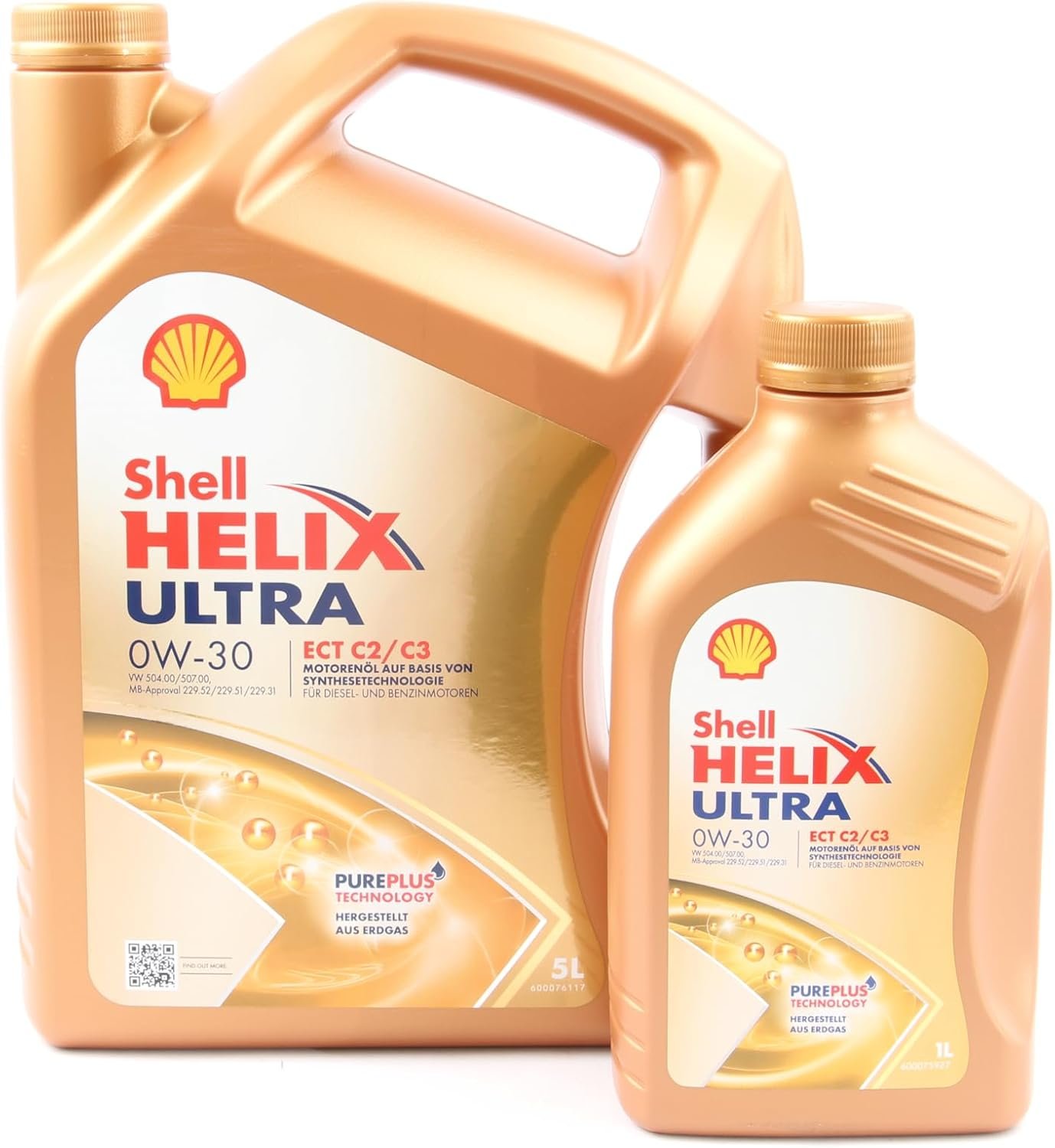
Best Value: Shell Helix Ultra ECT C2/C3 0W-30 Shell’s PurePlus gas-to-liquid base oil technology converts natural gas into an exceptionally pure synthetic base stock with virtually no impurities. This translates to fewer deposits inside the turbo bearing housing and oil galleries, a meaningful advantage for the SKYACTIV-D where deposit control directly affects DPF regeneration efficiency and EGR system health. The dual C2/C3 rating confirms compliance with both ACEA low-SAPS specifications, and the 0W-30 viscosity ensures rapid cold-start protection throughout the UK winter. At £36-42 for 5 litres, Shell Helix Ultra ECT is the most affordable option on this list without compromising on the fundamental low-SAPS chemistry the DPF demands. An excellent choice for cost-conscious owners who maintain strict service intervals.
Oil Change Intervals and Monitoring
Mazda Official Recommendation:
- Standard service: 12,500 miles or 12 months (whichever comes first)
Recommended Practice: 10,000 miles or annually, whichever comes first.
Mazda’s official interval assumes a reasonable mix of driving conditions, including regular motorway journeys where the DPF regenerates passively and the engine reaches sustained operating temperature. For many UK CX-5 owners who use the car primarily for school runs, supermarket trips, and suburban commuting, the oil degrades substantially faster due to soot contamination and fuel dilution from repeated active regeneration attempts.
Consider 7,500-mile intervals if:
- Predominantly short trips under 10 miles (DPF cannot complete passive regeneration)
- Annual mileage below 12,000 miles (insufficient sustained driving for reliable DPF regen)
- Heavy urban stop-start driving
- Oil level rises on the dipstick between services (fuel dilution indicator)
- Any history of DPF warning lights or forced regeneration
- Vehicle exceeds 80,000 miles
Monthly oil level checks are essential. This cannot be overstated for the CX-5 2.2 diesel. Check the dipstick monthly. If the oil level has risen above the maximum mark, diesel fuel is accumulating in the sump from incomplete DPF regeneration. Do not wait for the next scheduled service — change the oil immediately. Driving with fuel-diluted oil risks accelerated bearing wear, turbo damage, and further DPF complications. The cost of an unscheduled oil change is trivial compared to a turbo rebuild or DPF replacement.
Keeping the DPF Healthy
The single most effective thing you can do for your CX-5 2.2 diesel is to drive it on a motorway or fast A-road for at least 20-30 minutes once a week at speeds that keep the engine above 2,000 RPM. This allows passive DPF regeneration to occur naturally without the fuel-diluting active regeneration cycle. Owners who drive exclusively short urban trips will inevitably face DPF problems regardless of which oil they use — the engine simply needs sustained heat to function as designed.
If the DPF warning light illuminates, do not ignore it. An immediate sustained motorway drive may allow the regeneration to complete. If the light persists, a dealer-forced regeneration costs £200-300. Delaying until the filter is severely blocked can mean replacement at £1,200-1,800, making the warning light one of the most expensive dashboard indicators to ignore.
Conclusion
The Mazda CX-5 KF 2.2 SKYACTIV-D requires SAE 0W-30 engine oil meeting ACEA C3, with a capacity of 4.2 litres including the filter. The SH-VPTS engine’s uniquely low 14.0:1 compression ratio makes it one of the most refined and efficient diesel SUV engines available, but its DPF regeneration cycle demands attentive ownership. Oil dilution from incomplete regeneration is the primary reliability concern, and it is entirely preventable through correct oil selection, regular motorway driving, and monthly dipstick checks.
Mazda Original Oil Supra 0W-30 is the natural OEM choice at £38-44 for 5 litres, while Shell Helix Ultra ECT C2/C3 0W-30 delivers the best value at £36-42 without compromising on low-SAPS DPF protection. Change the oil at 10,000-mile intervals or annually, shortening to 7,500 miles for predominantly urban driving or if the dipstick reveals a rising oil level. The £36-50 spent on correct oil is modest insurance against a forced DPF regeneration (£200-300), DPF replacement (£1,200-1,800), and the turbo and bearing wear that fuel-diluted oil accelerates. Give the CX-5 SKYACTIV-D regular highway miles, correct ACEA C3 oil, and vigilant monitoring, and it will deliver years of refined, economical service.
Our Top Picks
As an Amazon Associate, we may earn from qualifying purchases. This doesn't affect our recommendations — we only suggest oils that hold the exact OEM approval for your engine.