 Oil-
Oil-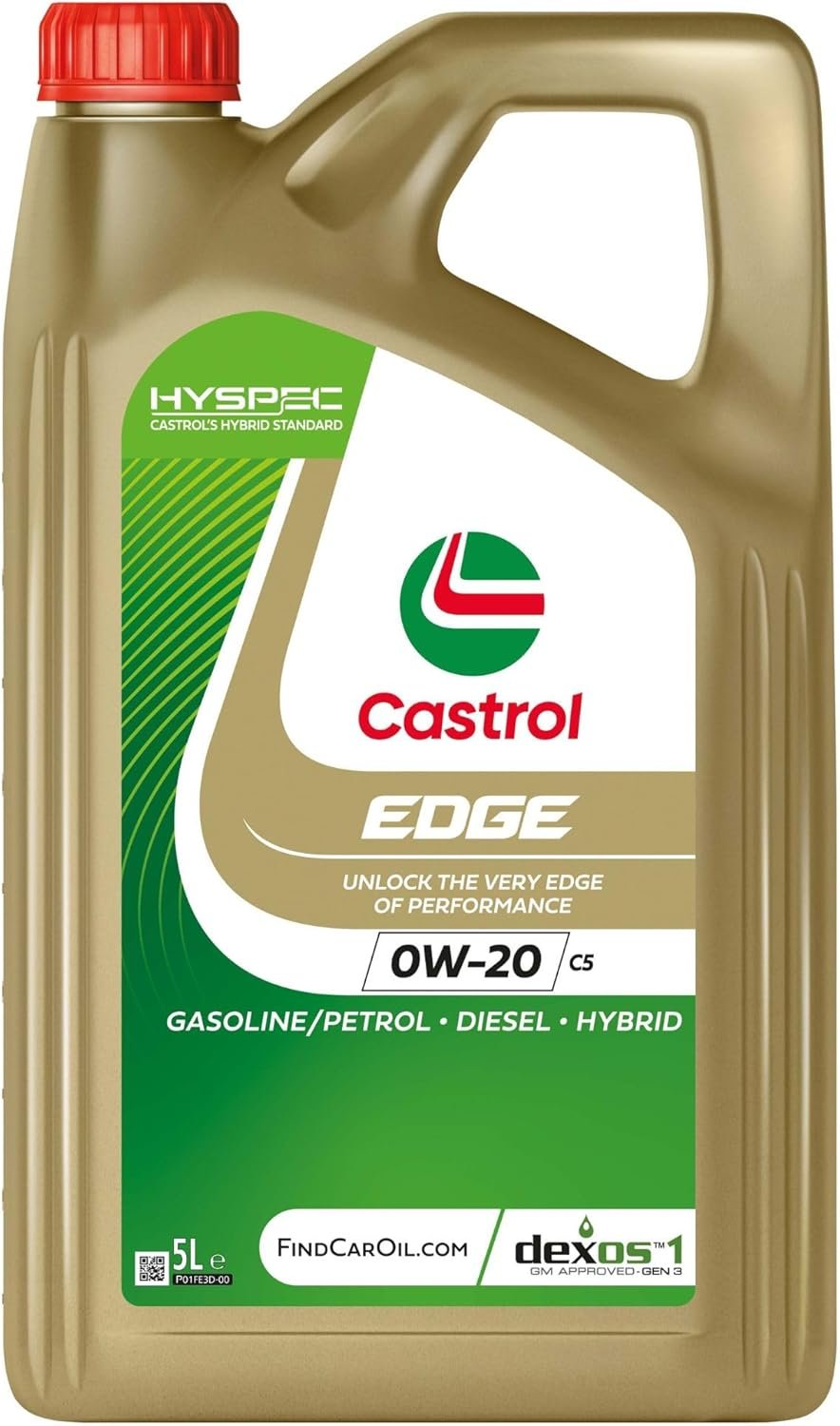
As an Amazon Associate, we may earn from qualifying purchases. This doesn't affect our recommendations — we only suggest oils that hold the exact OEM approval for your engine.
Best Engine Oil for Mazda CX-30 DM 2.5 SKYACTIV-G (191 HP)
The Mazda CX-30 (DM, 2020 onwards) occupies a deliberate gap between the Mazda3 and the CX-5 in Mazda’s lineup, and in the US market it has become one of the brand’s strongest sellers. Under the hood sits the PE-VPS engine code, a naturally aspirated 2,488cc four-cylinder producing 191 horsepower and 186 lb-ft of torque. This is the same SKYACTIV-G 2.5 block found in the larger CX-5, but the CX-30’s role as an urban crossover changes the ownership equation significantly. Shorter average trip distances, more stop-and-go driving, and frequent cold starts mean the PE-VPS in a CX-30 faces operating conditions that accelerate carbon buildup and oil degradation faster than the same engine in a highway-biased CX-5. The 2021 model year alone drew 54 NHTSA complaints, roughly half of which were engine-related. Correct oil selection is your first and most effective defense against the carbon deposits, valve seal issues, and premature wear that define this engine’s known trouble spots. This guide covers the correct specification, capacity, and best oils to keep the CX-30 2.5 running cleanly for the long term.
Quick Answer: Recommended Oil
For Mazda CX-30 DM 2.5L SKYACTIV-G (191 HP, PE-VPS):
- Specification: API SP / ILSAC GF-6A
- Viscosity: SAE 0W-20
- Oil capacity: 5.0 quarts with filter (4.6 quarts without)
Key point: API SP is mandatory for the PE-VPS engine. This specification includes reformulated additive chemistry that protects against low-speed pre-ignition (LSPI) and provides the detergent strength needed to combat the carbon deposits that are the PE-VPS’s primary long-term concern. Full synthetic 0W-20 is non-negotiable. The thin viscosity ensures rapid circulation during the cold starts that define urban crossover driving patterns, and the synthetic base stock resists the thermal breakdown that conventional oils suffer under stop-and-go conditions.
The PE-VPS Engine
The SKYACTIV-G 2.5 is Mazda’s workhorse naturally aspirated four-cylinder. The PE-VPS designation identifies the 2,488cc engine with a 13.0:1 compression ratio, one of the highest of any production gasoline engine. Mazda achieves this without requiring premium fuel through a combination of 4-2-1 exhaust headers that eliminate hot exhaust gas residuals from the combustion chamber, cavity pistons that direct the fuel-air charge for optimal burn, and cooled exhaust gas recirculation that suppresses knock under load.
Unlike turbocharged competitors in this class, the PE-VPS relies on displacement and compression rather than forced induction for its power output. The advantage is simpler construction with no turbo bearings, intercooler, or wastegate to maintain. The disadvantage is that the high compression ratio and direct injection system make the engine inherently susceptible to carbon deposit formation on the intake valves and in the combustion chamber. PCV (Positive Crankcase Ventilation) vapors carrying oil mist are drawn back into the intake manifold where they bake onto the backs of the intake valves at sustained high temperatures. Over time, these deposits restrict airflow and cause rough idle, misfires, and reduced performance.
The SKYACTIV-G 2.5 uses a timing chain rather than a belt, dual variable valve timing on both intake and exhaust camshafts, and Mazda’s proprietary piston cooling oil jets that spray oil onto the underside of each piston to manage the extreme combustion temperatures created by the 13.0:1 compression ratio. These oil jets are entirely dependent on oil pressure and oil quality to function correctly.
Understanding API SP Oil Specifications
API SP is the current top-tier gasoline engine oil service category, introduced in May 2020 to replace API SN Plus. For the PE-VPS engine, API SP matters for three specific reasons.
First, LSPI protection. Low-speed pre-ignition occurs when the fuel-air mixture spontaneously ignites before the spark plug fires, typically under high-load, low-RPM conditions such as accelerating from a stop or climbing a hill. While LSPI is most commonly associated with turbocharged engines, the PE-VPS’s exceptionally high 13.0:1 compression ratio makes it susceptible under certain conditions. API SP oils contain calcium and magnesium additive chemistry specifically reformulated to minimize LSPI events.
Second, chain wear protection. The PE-VPS uses a timing chain that must last the life of the engine. API SP includes enhanced anti-wear testing that ensures the oil maintains adequate film strength on the chain, guides, and tensioner over the full drain interval.
Third, deposit control. API SP mandates improved deposit control compared to earlier categories, which directly addresses the PE-VPS’s carbon buildup tendency. Better detergent and dispersant chemistry keeps combustion byproducts in suspension rather than allowing them to bake onto valve surfaces and piston crowns.
ILSAC GF-6A is the companion fuel economy specification. Oils meeting both API SP and ILSAC GF-6A deliver the complete protection package the PE-VPS requires.
Technical Specifications: PE-VPS
| Specification | Value |
|---|---|
| Displacement | 2,488cc (2.5 liters) |
| Layout | Inline-4, transverse, aluminum block |
| Valvetrain | DOHC, 16 valves, dual S-VT, timing chain |
| Compression Ratio | 13.0:1 |
| Power | 191 HP @ 6,000 RPM |
| Torque | 186 lb-ft @ 4,000 RPM |
| Fuel System | Direct injection (SKYACTIV-G) |
| Exhaust | 4-2-1 headers, three-way catalyst |
| Recommended Viscosity | SAE 0W-20 |
| Oil Capacity (without filter) | 4.6 quarts (4.4 liters) |
| Oil Capacity (with filter) | 5.0 quarts (4.7 liters) |
| Oil Specification | API SP / ILSAC GF-6A |
Best Value: Valvoline Advanced Full Synthetic 0W-20 Valvoline’s full synthetic 0W-20 meets API SP and ILSAC GF-6A with a well-balanced additive package at the lowest price on this list. Excellent detergent and anti-wear properties protect the timing chain, valve train, and piston cooling jets without any compromise on the fundamental specifications the PE-VPS demands. Widely available at Walmart, AutoZone, O’Reilly, and Amazon for $23-27 per 5 quarts. For cost-conscious owners maintaining strict service intervals, Valvoline delivers the required protection at the best price.
Oil Change Intervals
Mazda Official Recommendation:
- Standard: 7,500 miles or 12 months (whichever comes first)
- Severe conditions: 5,000 miles or 6 months
Recommended Practice: 5,000 miles or 6 months for most CX-30 owners.
The majority of CX-30 buyers in the US use the vehicle as a daily urban commuter. Short trips under 10 miles, frequent cold starts, stop-and-go traffic, and city driving at low sustained RPM all qualify as severe service conditions under Mazda’s own definition. If this describes your driving pattern, the 5,000-mile interval is not conservative — it is appropriate. The PE-VPS’s high compression ratio generates more combustion byproducts per cycle than a lower-compression engine, and its direct injection system deposits carbon on intake valves that is partially governed by oil vapor quality from the PCV system. Fresher oil means cleaner PCV vapors, which means less carbon baking onto the valves.
Owners who regularly drive highway miles at sustained speeds can comfortably follow the 7,500-mile interval. The key distinction is operating temperature: sustained driving at highway speed keeps the oil hot enough to volatilize contaminants and maintain its protective properties. Short urban trips never reach that sustained temperature.
Common PE-VPS Problems Related to Oil
Carbon buildup on intake valves. This is the PE-VPS’s most documented long-term issue. Because direct injection sprays fuel directly into the combustion chamber rather than across the intake valves, there is no fuel wash to clean the valve backs. Oil mist drawn through the PCV system bakes onto the hot valve surfaces over tens of thousands of miles, eventually restricting airflow and causing rough idle, misfires, and reduced power. Full synthetic oil with strong detergent properties reduces the volume and stickiness of the oil vapors entering the intake, slowing deposit formation measurably compared to conventional oil.
Valve seal TSB. Mazda issued a technical service bulletin addressing valve stem seal degradation on early PE-VPS engines. Symptoms include higher-than-normal oil consumption, particularly noticeable on cold starts as a brief puff of blue-white smoke from the exhaust. If your CX-30 exhibits this behavior, contact your dealer — the TSB repair is performed at no cost to the owner. After the seal replacement, oil consumption typically returns to normal levels.
2021 model year NHTSA complaints. The 2021 CX-30 accumulated 54 NHTSA complaints, with approximately half related to engine issues including stalling, loss of power, and excessive oil consumption. While not all complaints are confirmed defects, the concentration of engine-related reports in a single model year suggests that some early production units had quality control variations that exacerbated the PE-VPS’s inherent sensitivities.
Thermostat failures. Early 2.5L SKYACTIV-G engines across the Mazda range have experienced thermostat failures that prevent the engine from reaching full operating temperature. A stuck-open thermostat keeps the coolant — and consequently the oil — below optimal temperature, worsening carbon buildup by preventing the engine from reaching the sustained heat needed to burn off deposits. If your temperature gauge consistently reads lower than normal or the cabin heater produces lukewarm air, have the thermostat inspected. A failed thermostat on the PE-VPS does not just affect comfort — it directly accelerates the carbon deposit problem that defines this engine’s long-term maintenance challenge.
Conclusion
The Mazda CX-30 DM 2.5L SKYACTIV-G requires 5.0 quarts of API SP / ILSAC GF-6A compliant SAE 0W-20 full synthetic engine oil at every service. The PE-VPS engine shares its block with the CX-5 but lives a different life in the CX-30 — more urban miles, more cold starts, more stop-and-go traffic — and that driving pattern accelerates carbon buildup on the intake valves through PCV oil vapor deposits.
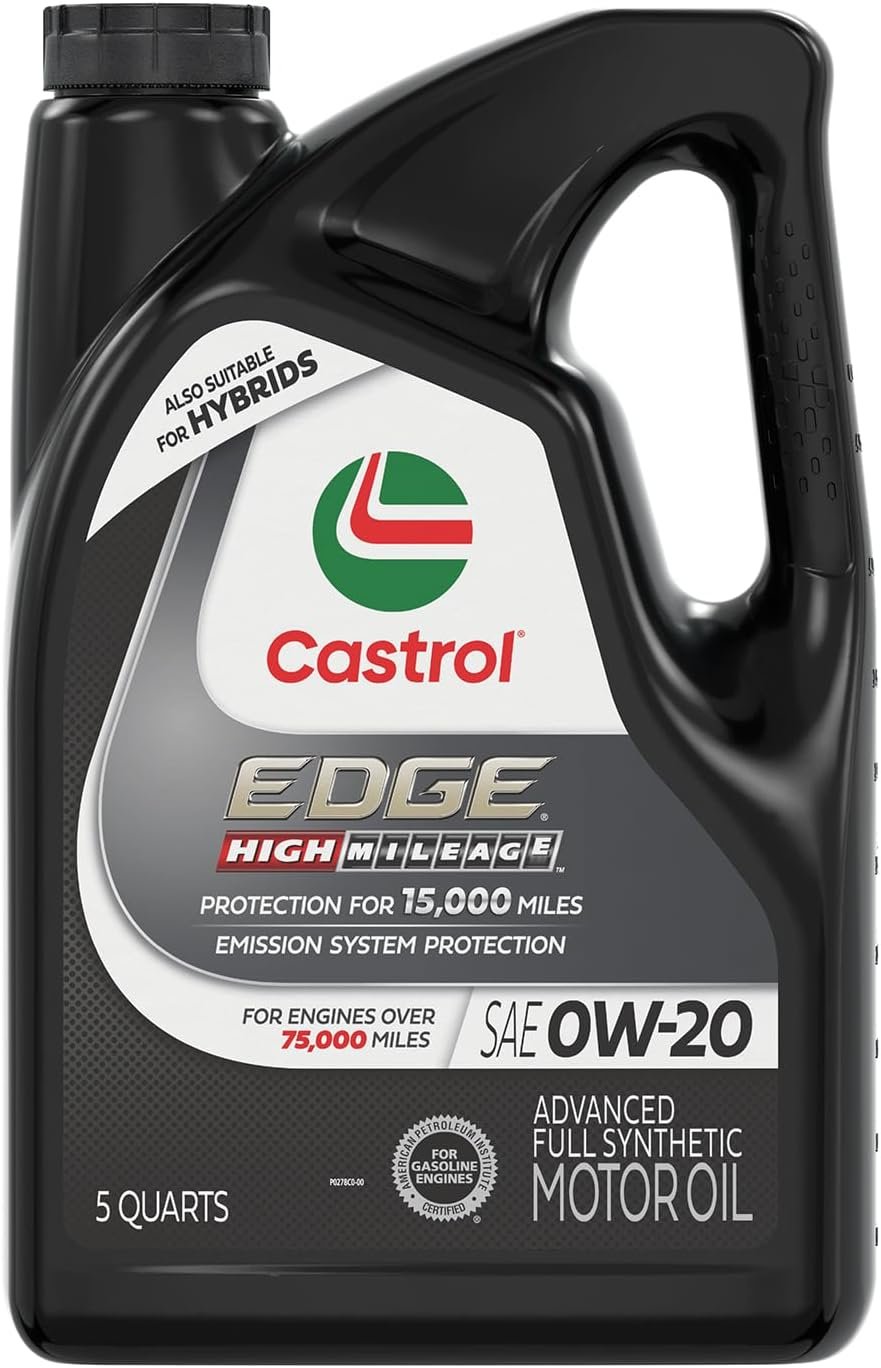
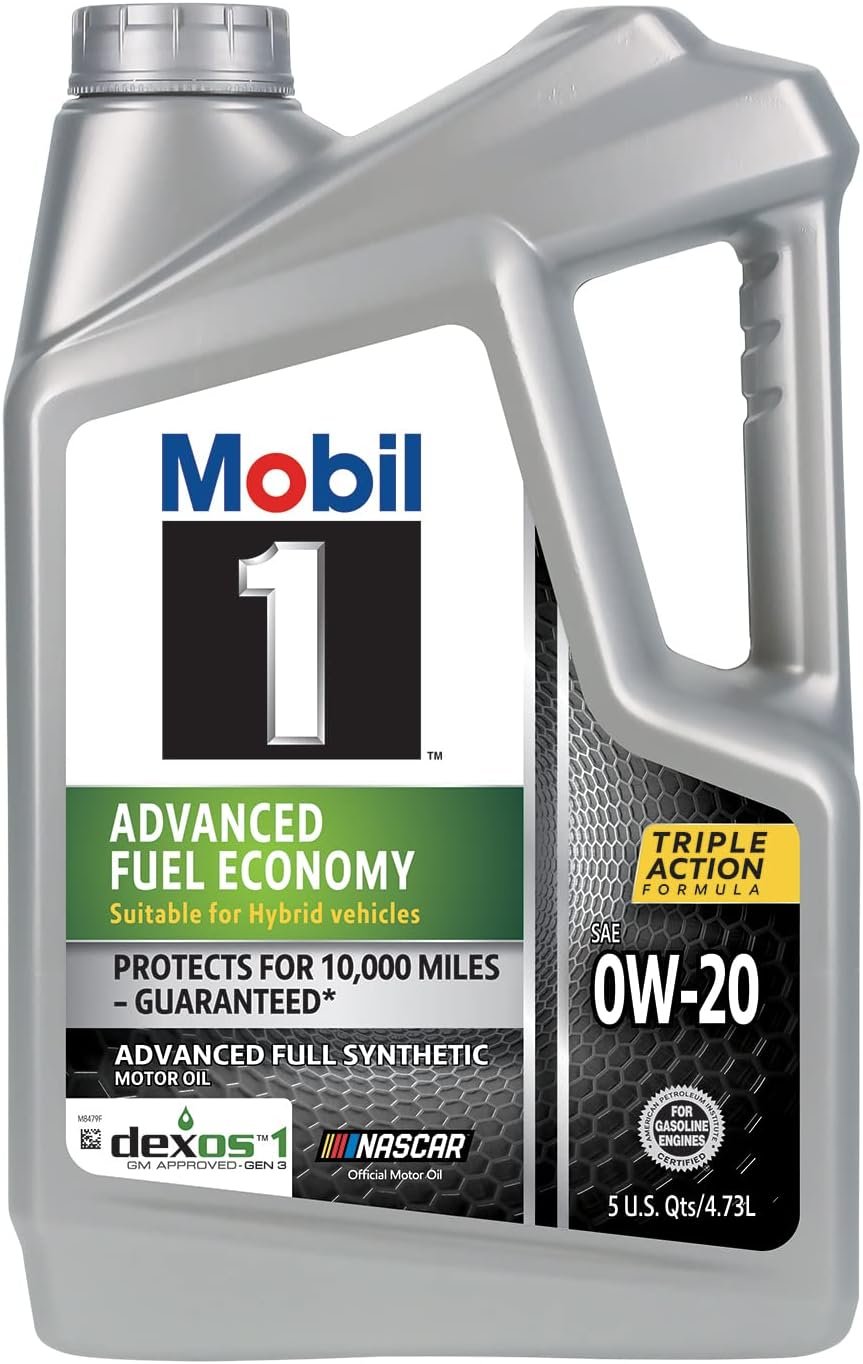
Use Mazda Genuine 0W-20, Mobil 1 Advanced Fuel Economy, Castrol EDGE Advanced, or Valvoline Advanced Full Synthetic, all in 0W-20 and all meeting API SP. Change the oil at 5,000 miles for predominantly urban driving or 7,500 miles for regular highway use. Ask your dealer about the valve seal TSB if you notice oil consumption on cold starts. Watch for thermostat issues on early models. The $23-36 spent on quality full synthetic 0W-20 every 5,000 miles is the most cost-effective defense against the carbon deposits, valve seal degradation, and premature wear that define the PE-VPS’s known vulnerabilities. Give the CX-30 correct oil, shorter intervals, and occasional sustained highway drives, and the SKYACTIV-G 2.5 will deliver reliable, responsive service for well beyond 150,000 miles.
Our Top Picks
As an Amazon Associate, we may earn from qualifying purchases. This doesn't affect our recommendations — we only suggest oils that hold the exact OEM approval for your engine.