 Oil-
Oil-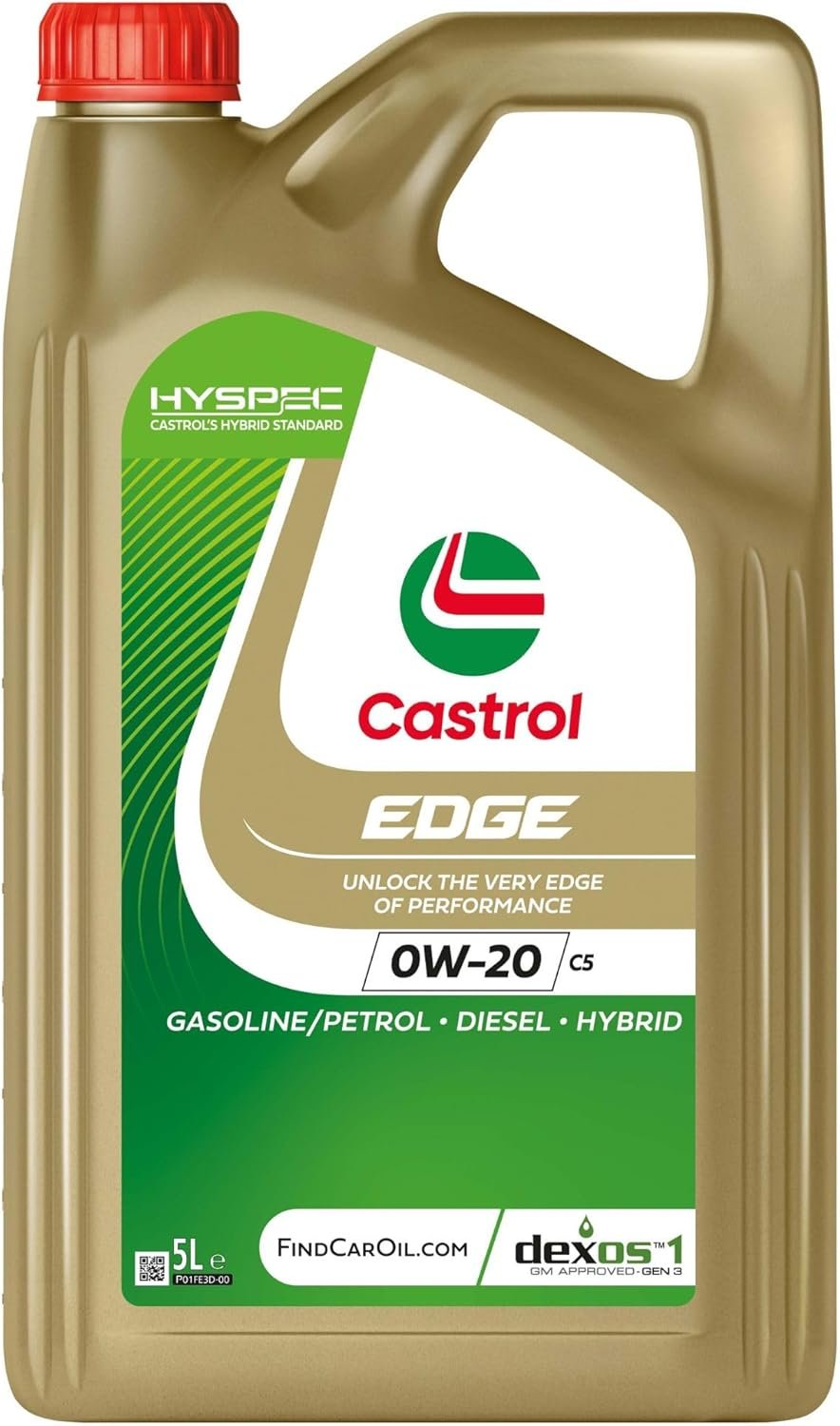
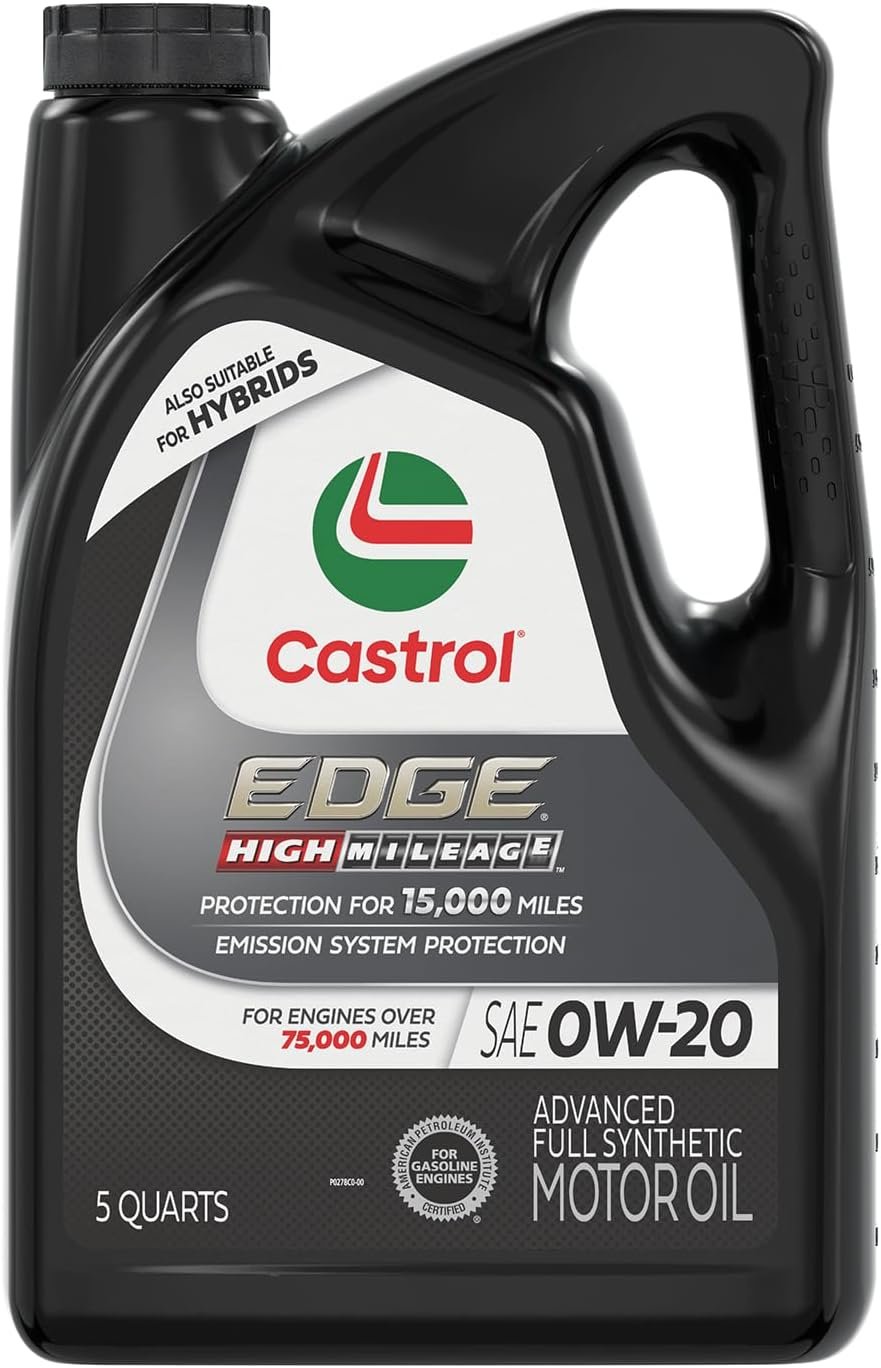
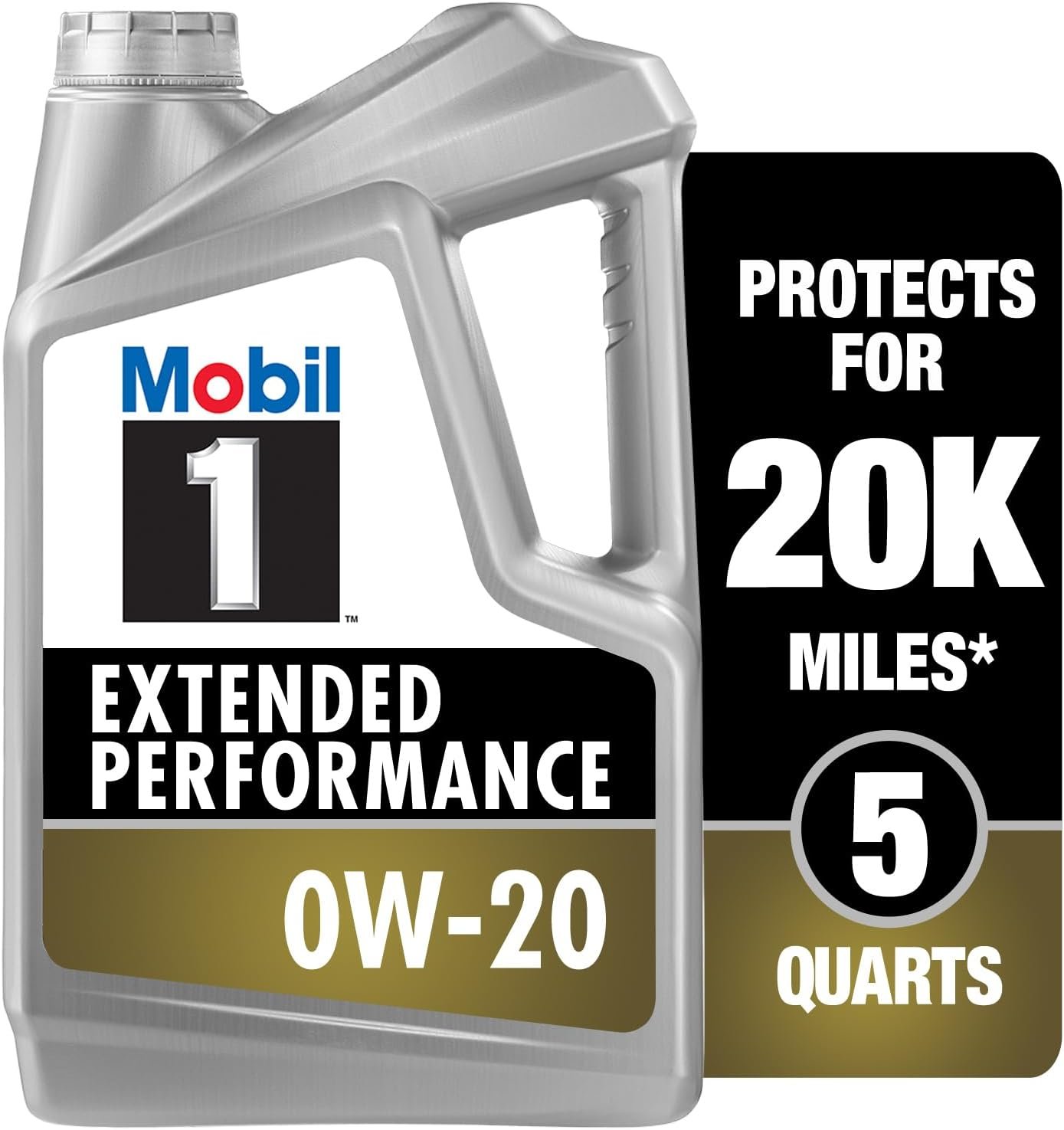
As an Amazon Associate, we may earn from qualifying purchases. This doesn't affect our recommendations — we only suggest oils that hold the exact OEM approval for your engine.
Best Engine Oil for Jeep Cherokee KL 2.4L Tigershark (180 HP)
The Jeep Cherokee KL (2014-2023) equipped with the 2.4-liter Tigershark MultiAir2 engine is one of the most problematic powertrains Fiat Chrysler ever put into a mainstream SUV. The engine produces 180 horsepower and 171 lb-ft of torque, adequate numbers for a compact crossover, but it carries a severe and well-documented oil consumption defect that has resulted in an $8 million class action settlement, thousands of NHTSA complaints, and an FCA Customer Satisfaction Notification issued in 2021. If you own this vehicle, choosing the correct oil is important, but understanding how quickly this engine burns through it is critical. This guide covers the oil specification, the consumption defect in full, and what you must do to protect your engine from catastrophic failure.
Quick Answer: Recommended Oil
For Jeep Cherokee KL 2.4L Tigershark (180 HP):
- Specification: FCA Material Standard MS-6395 / API SP
- Viscosity: SAE 0W-20
- Oil capacity: 5.5 quarts with filter (4.7 liters / 5.0 quarts without)
Critical: Use only 0W-20 full synthetic oil meeting FCA MS-6395 or API SP. The Tigershark MultiAir2 engine’s electrohydraulic valve control system depends on engine oil as a working fluid for the intake valve actuation. Incorrect viscosity directly affects valve timing, power delivery, and fuel economy. Do not use 5W-20 or 5W-30.
Oil Consumption: The Defining Defect of the 2.4L Tigershark
This is the most important section of this guide. Every Cherokee KL 2.4L owner must understand this problem.
The 2.4-liter Tigershark engine suffers from excessive oil consumption caused by defective piston oil control rings. These rings fail to maintain adequate tension against the cylinder bore, allowing oil to pass into the combustion chamber and burn off at alarming rates.
How bad is it? Owners routinely report consumption of one quart per 1,000 miles or worse. On a vehicle with a total capacity of 5.5 quarts, this means the engine can go from full to dangerously low in as few as 3,500 to 5,500 miles, well within a standard oil change interval.
The oil pressure warning light does not activate until it is too late. The low oil pressure warning does not illuminate until volume drops to approximately 3.5 quarts. At that point, the oil pickup tube is drawing air, pressure is collapsing, and bearings are experiencing metal-to-metal contact. Owners have reported engine stalls, sudden loss of power on highways, and complete engine seizure with no prior dashboard warning. The oil pressure light is not a low oil level light. It only activates when damage is already occurring.
The $8 million class action settlement covered 2014-2020 Cherokee models with the 2.4L engine, alleging FCA knew the oil control rings were defective. The settlement provided reimbursement for oil-related repairs and engine replacements. Check whether you are still eligible.
FCA Customer Satisfaction Notification (2021) extended coverage for oil consumption issues, authorizing dealers to perform consumption tests and replace pistons and rings at FCA’s expense. Contact your Jeep dealer to verify eligibility.
The 2.4L Tigershark MultiAir2 Engine
The Tigershark 2.4L is a 2,360cc naturally aspirated inline four-cylinder engine developed jointly by Chrysler and Fiat as part of the World Engine family. It produces 180 horsepower at 6,400 RPM and 171 lb-ft of torque at 4,800 RPM. The defining technology is Fiat’s MultiAir2 electrohydraulic variable valve lift system, which replaces conventional mechanical intake cam followers with a hydraulic actuator that uses engine oil pressure to control intake valve opening timing, duration, and lift.
The MultiAir2 system means the engine oil serves double duty: lubricating the engine and acting as the working fluid for intake valve control. Oil viscosity, cleanliness, and level directly affect how accurately the system can control valve events. Degraded or low oil does not just risk bearing wear, it causes the intake valves to behave erratically, producing rough idle, misfires, hesitation, and reduced power.
The engine uses a timing chain, aluminum block and head, 10.0:1 compression ratio, and dual overhead camshafts with roller finger followers on the exhaust side. It is paired with a nine-speed automatic transmission in the Cherokee KL.
Technical Specifications: 2.4L Tigershark MultiAir2
| Specification | Value |
|---|---|
| Displacement | 2,360cc (2.4 liters) |
| Layout | Inline-4, transverse, aluminum block and head |
| Valvetrain | DOHC, 16 valves, MultiAir2 hydraulic intake valve lift |
| Aspiration | Naturally aspirated |
| Power | 180 HP @ 6,400 RPM |
| Torque | 171 lb-ft @ 4,800 RPM |
| Compression Ratio | 10.0:1 |
| Fuel Type | Regular unleaded (87 octane minimum) |
| Recommended Viscosity | SAE 0W-20 |
| Oil Capacity (without filter) | 5.0 quarts (4.5 liters) |
| Oil Capacity (with filter) | 5.5 quarts (4.7 liters) |
| Oil Specification | FCA MS-6395 / API SP |
Understanding FCA MS-6395
FCA Material Standard MS-6395 is the proprietary oil specification Fiat Chrysler developed for its modern gasoline engines. It mandates full synthetic 0W-20 with specific requirements for oxidation stability, wear protection, deposit control, and low-temperature pumpability. Oils carrying MS-6395 certification have been validated for the MultiAir2 hydraulic valve system’s operating parameters.
API SP, the current American Petroleum Institute service category introduced in 2020, includes enhanced protection against low-speed pre-ignition (LSPI) and improved deposit control. While MS-6395 is the preferred specification, any quality full synthetic 0W-20 meeting API SP provides adequate protection. The critical requirement is 0W-20 viscosity, since the MultiAir2 hydraulic system is calibrated for this specific flow characteristic.
Best Value: Valvoline Advanced Full Synthetic 0W-20 A well-balanced full synthetic meeting API SP at a consistently lower price point than competitors. Strong detergent and oxidation resistance properties with wide availability at Walmart, AutoZone, O’Reilly, and Amazon. Priced at $23-27 for 5 quarts, making it the most affordable option for an engine that may require top-offs between changes.
Oil Change Intervals and Critical Monitoring
FCA Official Recommendation: Oil change indicator system, typically 8,000 to 10,000 miles under normal conditions.
Recommended Practice for Tigershark 2.4L: 5,000 miles or every 6 months maximum, whichever comes first. Many owners with confirmed oil consumption issues change at 3,000 to 4,000 miles.
The factory interval assumes normal consumption rates. In a Tigershark burning a quart every 1,000 miles, the engine will be down 5 quarts by the time the indicator activates at 8,000 miles. That is the entire oil capacity. The indicator does not monitor oil level, only estimated degradation based on driving conditions.
Essential monitoring steps:
- Check your dipstick every 500 miles. The oil pressure light will not warn you in time.
- Keep a quart of 0W-20 in the vehicle at all times. Top off when the level drops below the halfway mark.
- Track consumption rate. If you are adding more than one quart per 1,000 miles, contact your dealer about the FCA Customer Satisfaction Notification and request an oil consumption test.
- Never let the oil level drop below 3.5 quarts. Oil starvation and engine damage begin at that point.
- Shorten your change interval if consumption is severe. Fresh oil protects better than depleted oil.
Why Correct Oil Matters for the MultiAir2 System
The MultiAir2 system uses engine oil at full system pressure to actuate solenoids controlling intake valve lift and timing. The oil must flow quickly, maintain consistent viscosity across temperature extremes, and remain free of deposits that could clog the hydraulic passages in the actuator assembly. Degraded oil or incorrect viscosity causes the actuator to respond erratically, producing rough idle, hesitation, reduced power, and check engine lights for misfire or camshaft position errors. These symptoms are frequently misdiagnosed as sensor failures when the root cause is simply degraded oil that can no longer serve as an effective hydraulic fluid.
Conclusion
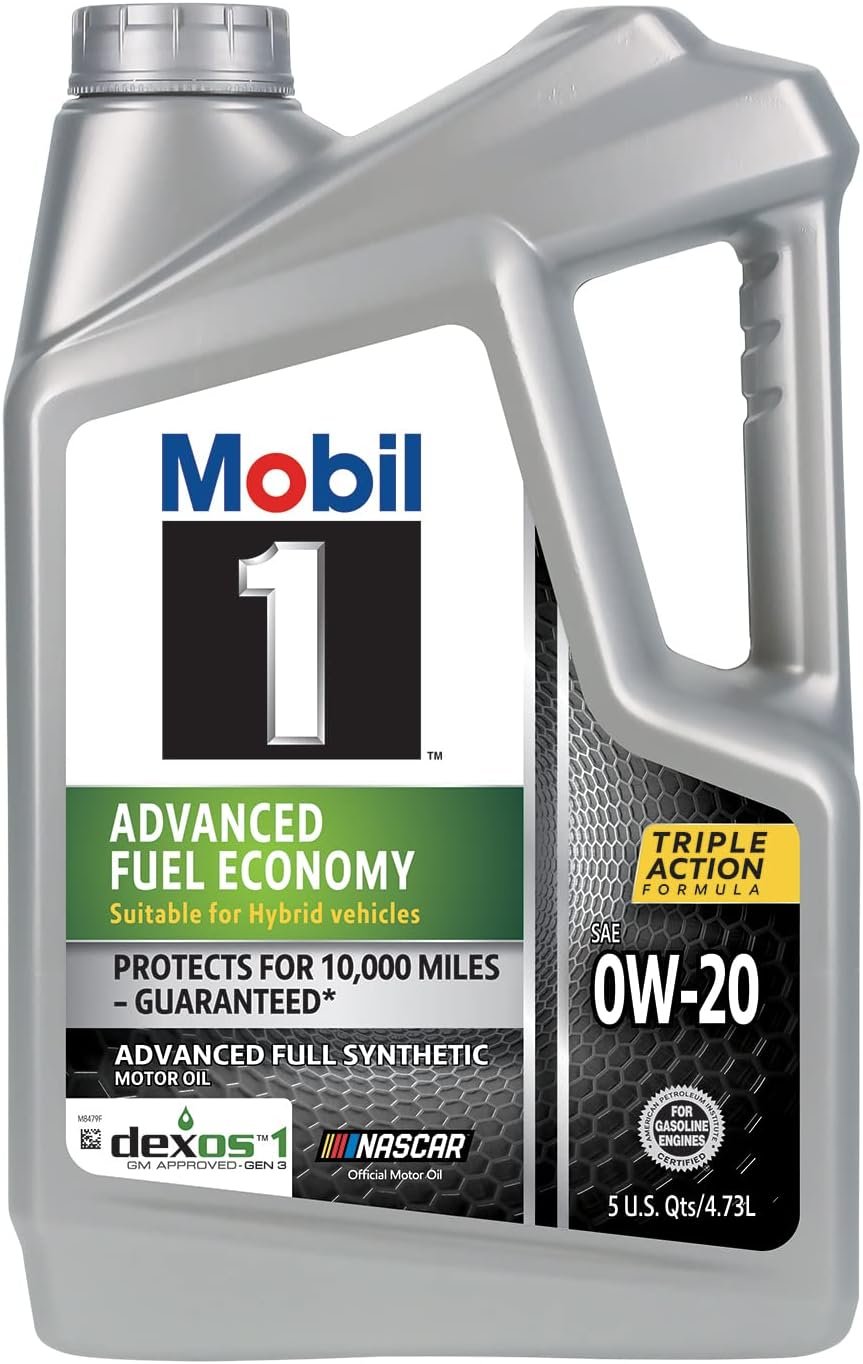
The Jeep Cherokee KL 2.4L Tigershark requires 5.5 quarts of SAE 0W-20 full synthetic engine oil meeting FCA MS-6395 or API SP at every service. Use Mopar MaxPro, Pennzoil Platinum, Mobil 1 Advanced Fuel Economy, or Valvoline Advanced Full Synthetic, all in 0W-20.
The defining reality of this engine is its oil consumption defect. Defective piston oil control rings cause consumption of one quart per 1,000 miles or worse, and the oil pressure warning light does not activate until around 3.5 quarts remaining, when damage is already occurring. Check your dipstick every 500 miles, carry a spare quart, change oil at 5,000 miles or sooner, and contact your Jeep dealer about the FCA Customer Satisfaction Notification and class action settlement coverage.
Our Top Picks
As an Amazon Associate, we may earn from qualifying purchases. This doesn't affect our recommendations — we only suggest oils that hold the exact OEM approval for your engine.