 Oil-
Oil-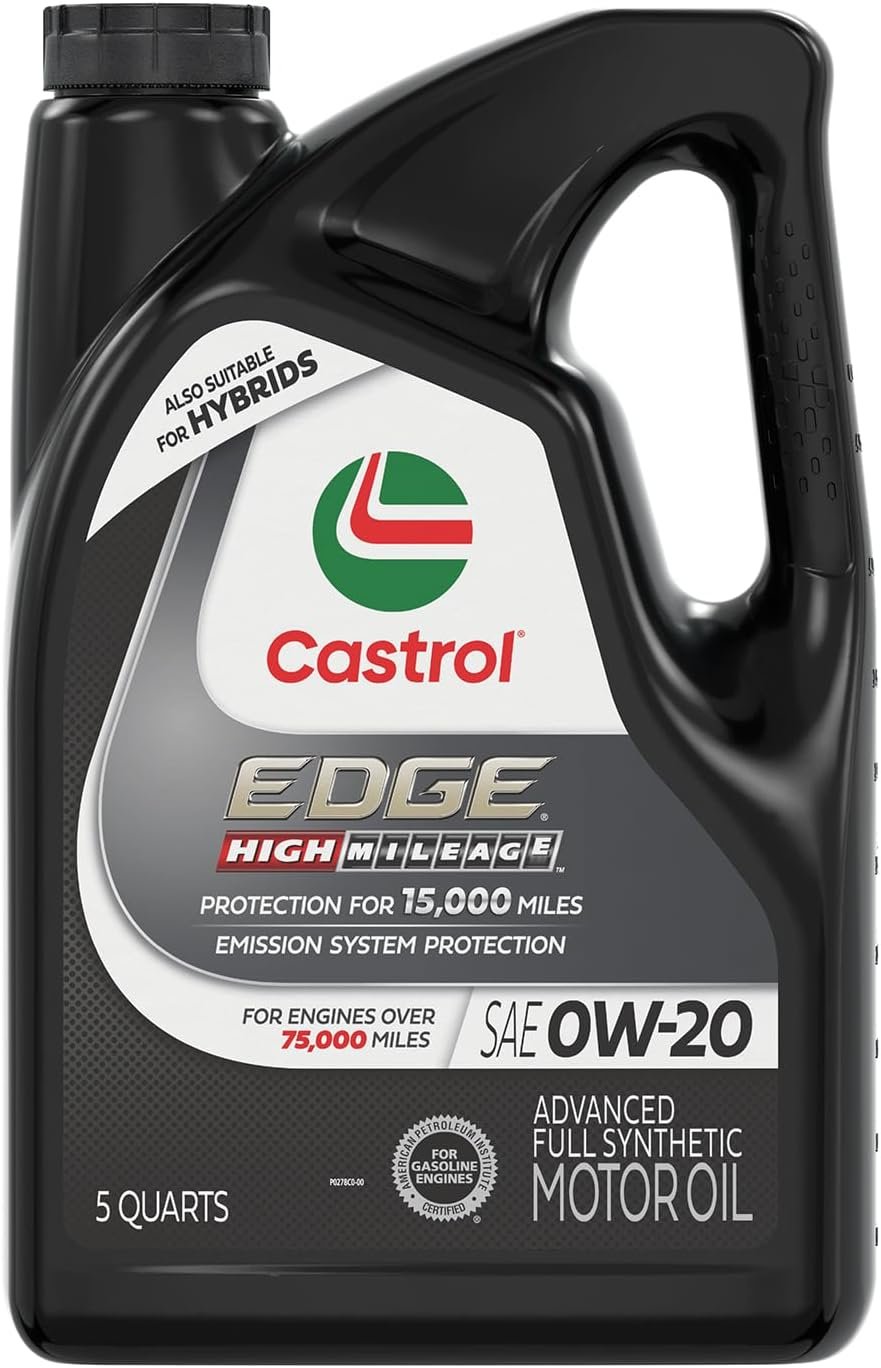
As an Amazon Associate, we may earn from qualifying purchases. This doesn't affect our recommendations — we only suggest oils that hold the exact OEM approval for your engine.
Best Engine Oil for GMC Sierra 1500 5.3L V8 EcoTec3 (355 HP) — L84
The GMC Sierra 1500 T1 (2019-present) with the 5.3-liter EcoTec3 V8 is General Motors’ premium full-size truck, positioned above its Chevrolet Silverado sibling with higher-grade interior materials, the MultiPro tailgate, and a distinctly upmarket cabin. Under the hood, the L84 engine code designates the same 5,328cc pushrod V8 equipped with Dynamic Fuel Management (DFM), GM’s 17-pattern cylinder deactivation system. It delivers 355 horsepower and 383 lb-ft of torque — identical numbers to the Silverado, because the powertrain is mechanically identical. What differs is the price tag: Sierra buyers typically pay $3,000 to $8,000 more for their truck. That premium makes the L84’s well-documented DFM lifter failure problem even more painful to absorb. GM requires dexos1 Gen 3 approved SAE 0W-20 full synthetic oil, and given the engine’s inherent vulnerability, correct oil specification is not optional maintenance — it is your primary defense against a repair bill that can reach $8,000.
Quick Answer: Recommended Oil
For GMC Sierra 1500 5.3L V8 EcoTec3 (355 HP, L84):
- Specification: dexos1 Gen 3
- Viscosity: SAE 0W-20
- Oil capacity: 8.0 quarts with filter (7.7 quarts without)
Critical: Only use oil displaying the actual dexos1 Gen 3 approval stamp on the container. Marketing claims like “meets dexos requirements” or “dexos compatible” are not the same as dexos1 Gen 3 licensure. GM maintains a public database of approved oils at acdelco.com — verify before purchasing unfamiliar brands.
The L84 5.3L EcoTec3 Engine
The L84 is the current evolution of GM’s legendary Small Block V8 architecture, a pushrod OHV design with roots stretching back decades through the LS and Gen III/IV families. This 5,328cc engine pairs a cast aluminum block with pressed-in iron cylinder liners, aluminum cylinder heads with cathedral-port intake runners, and a single centrally-mounted camshaft driving 16 hydraulic roller lifters through pushrods. It uses a dual fuel injection strategy — high-pressure direct injection operating at up to 2,900 PSI combined with supplemental port injection — which reduces carbon buildup on intake valves, a common problem with DI-only engines.
The headline technology is Dynamic Fuel Management. Where the older Active Fuel Management (AFM) system could only switch between 8-cylinder and 4-cylinder operation, DFM utilizes collapsing lifters on all 16 valve positions and a sophisticated controller that selects from 17 distinct firing patterns in real time. The system transitions seamlessly between patterns based on load, throttle position, and speed, theoretically improving fuel economy by up to 10% during light-load cruising. Combined with the 10-speed automatic transmission (10L80) in most Sierra trims, the L84 achieves EPA ratings of 16 city / 22 highway MPG — respectable for a full-size V8 truck.
The 10.07:1 compression ratio and variable valve timing on both intake and exhaust deliver strong thermal efficiency, with peak power arriving at 5,600 RPM and maximum torque available at 4,100 RPM on regular 87-octane fuel.
Understanding GM dexos1 Gen 3 Specification
GM introduced the dexos1 standard in 2011 and has updated it through three generations. The current Gen 3 specification, mandatory for all GM gasoline vehicles from 2023 forward and backward-compatible with earlier models, imposes requirements that surpass the generic API SP standard in several critical areas.
LSPI prevention receives specific testing tailored to GM’s direct-injected engines. The L84’s dual-injection system operating under high-load towing conditions creates exactly the thermodynamic environment where Low-Speed Pre-Ignition can occur, and dexos1 Gen 3 oils are formulated with specific calcium and molybdenum ratios to suppress it.
Timing chain wear protection matters because the L84’s single camshaft is chain-driven, and dexos1 Gen 3 includes proprietary chain wear benchmarks that protect tensioners and guides across 100,000+ mile intervals — tests that API SP does not require.
Oxidation resistance is formulated for sustained high oil temperatures generated during heavy towing. The Sierra 1500 can tow up to 11,800 lbs in certain configurations, and pulling a 10,000-lb fifth wheel through a Texas summer generates oil temperatures that punish conventional formulations.
Why not just API SP? Every dexos1 Gen 3 oil meets API SP, but the reverse is not true. An oil carrying only the API SP donut has not been validated against GM’s proprietary engine tests. On an engine with documented lifter reliability concerns, the $5-10 savings on non-dexos oil is meaningless compared to the risk.
Technical Specifications: 5.3L EcoTec3 V8 (L84)
| Specification | Value |
|---|---|
| Displacement | 5,328cc (5.3 liters / 325 cu in) |
| Layout | V8, 90-degree, aluminum block with iron liners |
| Valvetrain | OHV, 2 valves per cylinder, hydraulic roller lifters, pushrods |
| Bore x Stroke | 96.5mm x 92.0mm (3.78” x 3.62”) |
| Compression Ratio | 10.07:1 |
| Fuel Injection | Direct injection + port injection (dual system) |
| Power | 355 HP @ 5,600 RPM |
| Torque | 383 lb-ft @ 4,100 RPM |
| Fuel Type | Regular unleaded (87 octane minimum) |
| Transmission | 10-speed automatic (10L80) |
| Recommended Viscosity | SAE 0W-20 |
| Oil Capacity (without filter) | 7.7 quarts (7.3 liters) |
| Oil Capacity (with filter) | 8.0 quarts (7.6 liters) |
| Oil Specification | dexos1 Gen 3 |
| Cylinder Deactivation | DFM — 17 patterns (L84) |
| Max Towing Capacity | Up to 11,800 lbs (configuration dependent) |
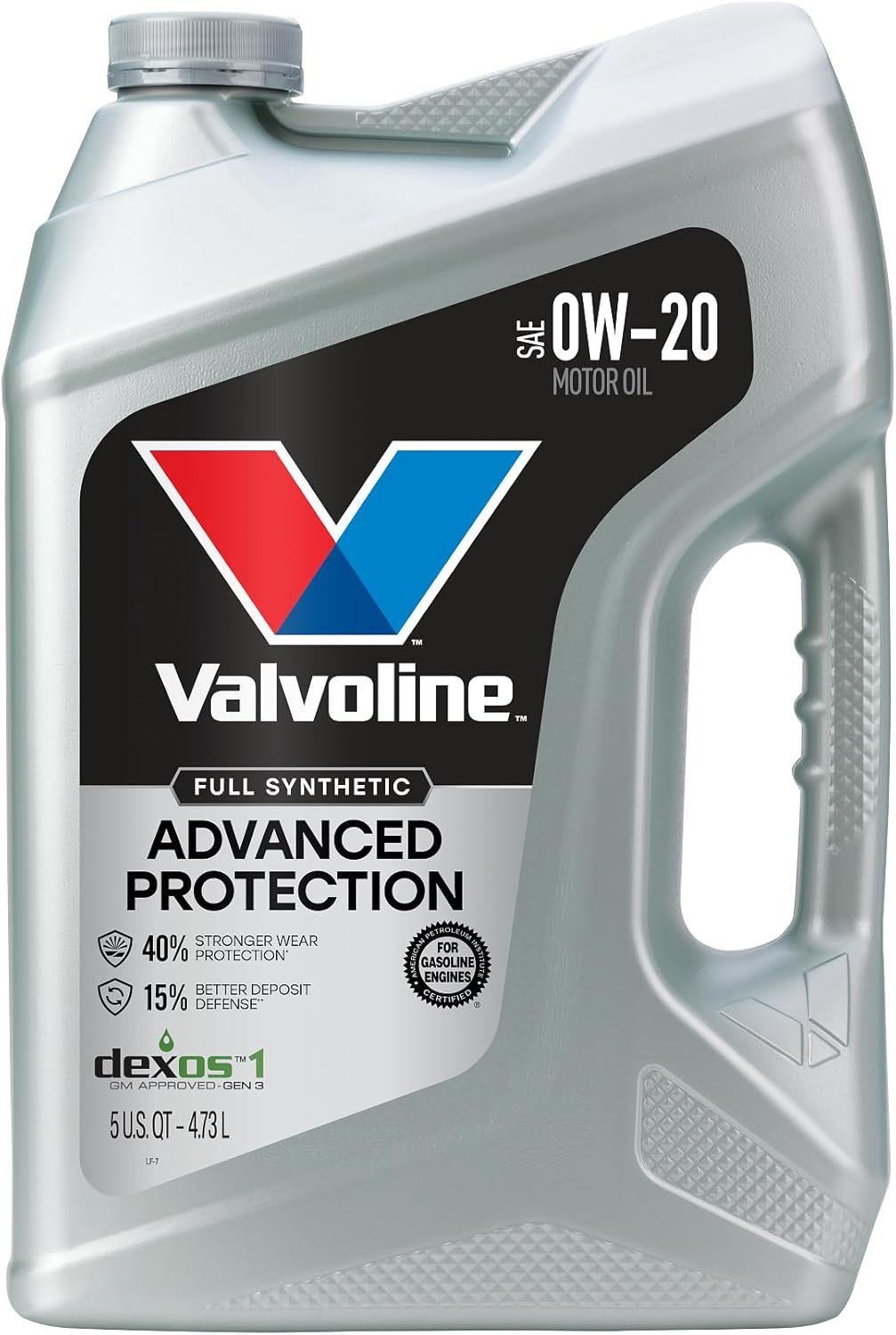
Best Value: Valvoline Advanced Full Synthetic 0W-20 Valvoline’s dexos1 Gen 3 formula delivers solid protection at the most accessible price point. Well-balanced anti-wear and detergent properties at $24-30 for 5 quarts. For an 8.0-quart fill, expect to spend approximately $48-60 total. Widely available at Walmart, AutoZone, O’Reilly, and Amazon.
Oil Change Intervals
GM Official Recommendation:
- Oil Life Monitor system: typically indicates between 7,500 and 10,000 miles under normal driving
Recommended Practice: 5,000 to 7,000 miles or every 6 months, whichever comes first.
GM’s Oil Life Monitor calculates service intervals based on engine load, temperature, RPM, and cumulative operating conditions. Under ideal highway cruising it may stretch to 10,000 miles. However, the Sierra’s real-world duty cycle — towing, hauling, extended idling — degrades oil faster than light-duty driving. Given the known DFM lifter vulnerability, shorter intervals provide a meaningful safety margin for the additional cost of roughly $20-30 per year.
Reduce to 5,000 miles or less if:
- You tow regularly (trailers, RVs, boats, fifth wheels)
- The truck idles for extended periods (job sites, ranch work)
- Operating in extreme heat (Southwest US summers)
- Primarily short trips under 10 miles
- Oil consumption exceeds 1 quart per 3,000 miles
- Any unusual valve train noise appears — do not wait for the next scheduled change
DFM Lifter Failure: The Critical Vulnerability
This is the defining reliability story of the 5.3L EcoTec3 and the reason this engine demands uncompromising oil discipline. Sierra owners need to understand exactly what they are dealing with.
The mechanism: All 16 hydraulic roller lifters in the L84 are collapsing-type units. Each contains an internal locking mechanism controlled by oil pressure via solenoids. When DFM commands a cylinder to deactivate, oil pressure collapses the lifter so it no longer follows the camshaft lobe. When the lifter’s locking pin fails to re-engage properly, the lifter gets stuck in a collapsed or partially collapsed state. A stuck lifter cannot properly actuate its valve through the pushrod — the pushrod bends, the camshaft lobe wears flat, and if left unchecked, the result is catastrophic engine damage.
The worst build dates: Vehicles built between September 2020 and March 2021 have shown the highest concentration of early lifter failures, though the problem spans the entire 2019-2024 production run. Multiple GM technical service bulletins address lifter noise, misfires, and complete lifter collapse across these model years.
The class action: GM faces a consolidated class action lawsuit over AFM/DFM lifter defects spanning millions of trucks and SUVs equipped with the 5.3L and 6.2L V8 engines. The lawsuit alleges GM knew about the defect and continued selling vehicles with the flawed design. Regardless of the legal outcome, the repair costs are real: a complete lifter replacement requires removing cylinder heads to access the lifter valley, running $4,000 to $8,000 depending on the shop and whether camshaft replacement is needed.
GM’s own acknowledgment: For the 2026 model year, GM has removed DFM from its truck engines entirely, reverting to a simplified design. This is the clearest possible admission that the system created more problems than its fuel economy benefits justified.
Symptoms to watch for:
- Ticking or tapping noise at idle, especially when cold
- Misfire codes on specific cylinders (P0300-series DTCs)
- Rough idle or vibration that progressively worsens
- Check engine light with cylinder-specific misfire codes
- Metallic knock indicating camshaft lobe damage (immediate attention required)
The DFM disabler reality: Aftermarket OBD-II devices that prevent DFM activation are popular among Sierra owners, and they do reduce the frequency of lifter cycling. However, a disabler does not change the physical lifters installed in the engine. You still have 16 collapsing-type lifters — the disabler simply prevents the computer from commanding them to collapse. The internal locking mechanism still exists, still depends on oil pressure, and can still fail mechanically. A disabler is a reasonable supplementary precaution, but it is not a replacement for correct oil and disciplined change intervals.
Why Correct Oil Matters More on This Engine
On most modern engines, using the correct oil specification is good practice. On the L84, it is arguably the most important maintenance decision you will make.
The DFM lifter mechanism depends on precise hydraulic control. Oil that has degraded, lost viscosity, or accumulated contaminants cannot maintain the consistent pressure needed for clean lifter actuation. Sludge or varnish deposits in the lifter bores impede smooth travel. The L84’s oil galleries feed all 16 collapsing lifters simultaneously through passages that demand clean, properly viscous fluid at every moment of operation.
GM specified 0W-20 for a reason — the thin viscosity provides rapid cold-start flow to the lifter valley, where most wear damage occurs during the first 30 seconds of operation. A heavier viscosity like 5W-30, even if carrying a dexos1 approval, takes longer to reach full pressure at the lifters during cold starts and does not match GM’s engineering validation for this engine.
Conclusion
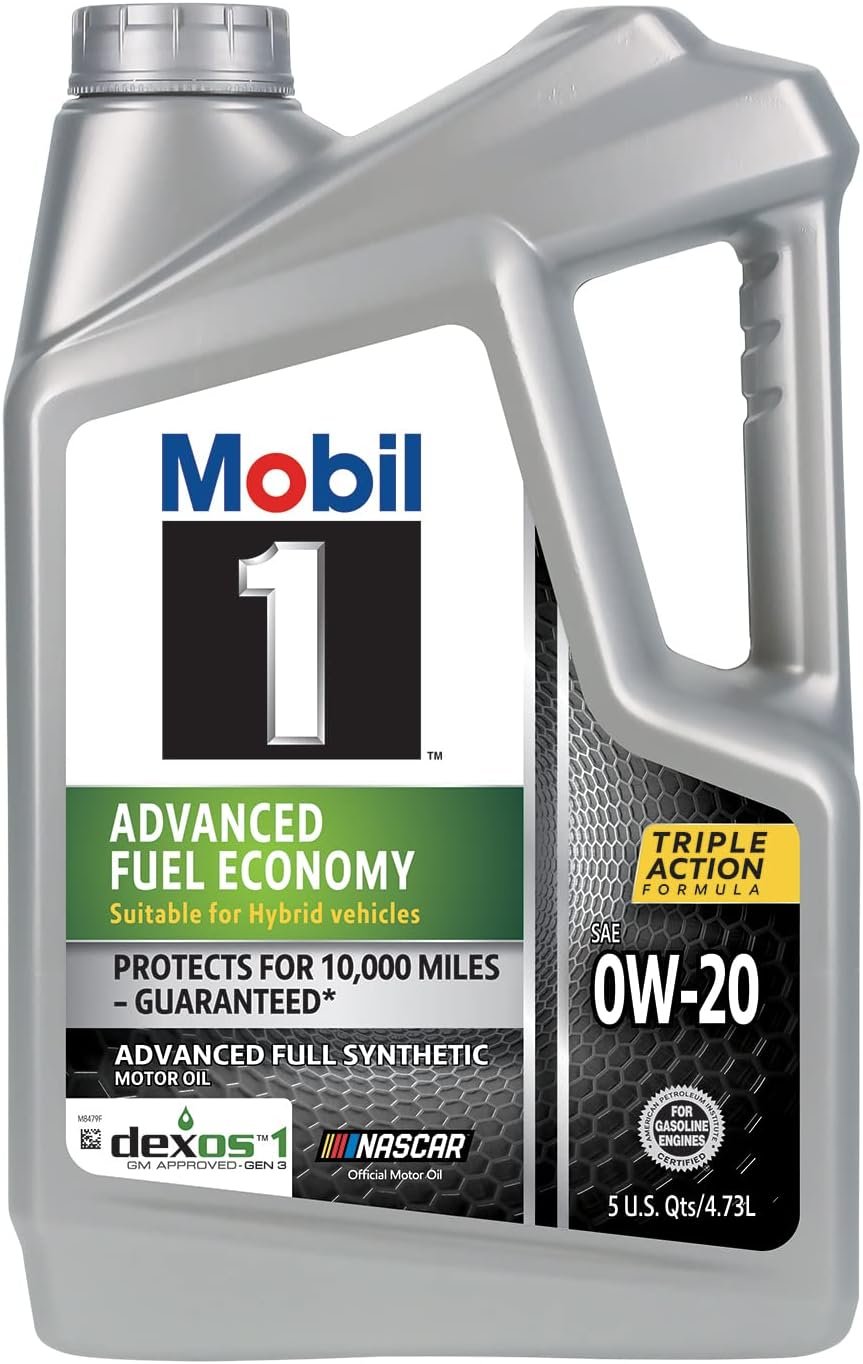
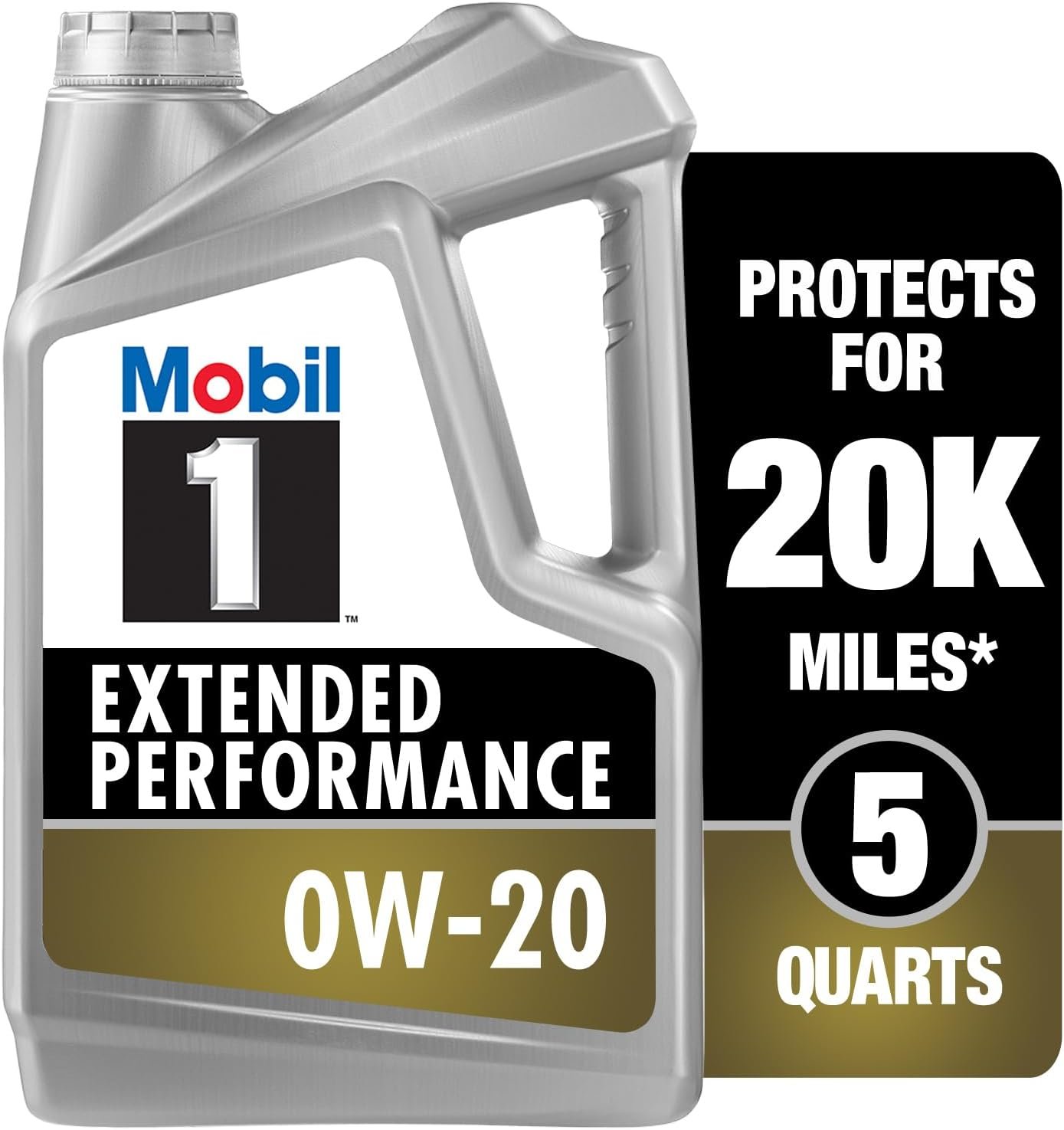
The GMC Sierra 1500 5.3L V8 EcoTec3 (L84) requires 8.0 quarts of dexos1 Gen 3 approved SAE 0W-20 full synthetic engine oil. Use ACDelco dexos1, Mobil 1, Pennzoil Platinum, or Valvoline Advanced Full Synthetic — all in 0W-20 with the dexos1 Gen 3 stamp on the bottle.
Change the oil at 5,000 to 7,000 miles, monitor the dipstick every 1,000 miles, and pay attention to any new valve train noise. The $50-65 cost of quality oil every 5,000 miles is the cheapest insurance against a lifter failure that can cost $4,000-$8,000 to repair. The L84 is a strong, capable engine in a premium truck — keep clean dexos1 oil in it, respect the change intervals, and it will deliver reliable service for hundreds of thousands of miles.
Our Top Picks
As an Amazon Associate, we may earn from qualifying purchases. This doesn't affect our recommendations — we only suggest oils that hold the exact OEM approval for your engine.