 Oil-
Oil-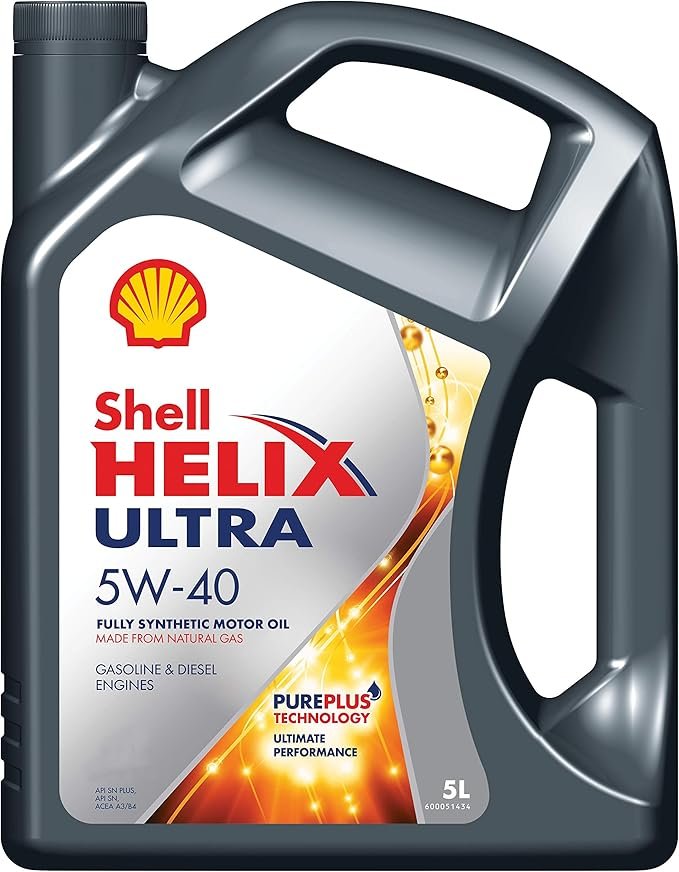
As an Amazon Associate, we may earn from qualifying purchases. This doesn't affect our recommendations — we only suggest oils that hold the exact OEM approval for your engine.
Best Engine Oil for Fiat 500 1.2 Fire (69 HP)
The Fiat 500 is one of the most recognisable cars on British roads. Produced from 2007 to 2022 as the 312 series, it revived Fiat’s iconic city car nameplate with retro styling and genuine urban practicality. The entry-level 1.2-litre Fire engine, coded 169A4000, powered the majority of 500s sold in the UK over that fifteen-year production run. It is a deliberately simple, naturally aspirated four-cylinder unit that asks very little of its owner — but what it does ask for is the correct oil. With a total sump capacity of just 2.8 litres including the filter, the 1.2 Fire has one of the smallest oil volumes of any engine on sale in the modern era. Getting the specification right matters more here than in almost any other car you can buy.
Quick Answer: Recommended Oil
For Fiat 500 1.2 Fire (69 HP) 169A4000:
- Primary viscosity: SAE 5W-40
- Alternative viscosity: SAE 5W-30
- ACEA norm: A3/B4
- Oil capacity: 2.8 litres with filter (2.5 L without)
Key point: The FIRE engine is mechanically straightforward and tolerant, but its tiny 2.8-litre sump means oil degrades faster than in larger engines. ACEA A3/B4 compliance is the critical requirement — it guarantees the detergency, thermal stability, and high-temperature/high-shear performance this engine needs.
The FIRE 1.2 Engine
The FIRE acronym stands for Fully Integrated Robotised Engine, a name that reflects how it was manufactured rather than how it performs. Introduced by Fiat in 1985, the FIRE family became one of the longest-serving engine ranges in European automotive history. The 169A4000 variant fitted to the 500 displaces 1,242cc through four cylinders in an inline layout, with a single overhead camshaft (SOHC) driving eight valves — two per cylinder. Power output is a modest 69 HP at 5,500 RPM, with 102 Nm of torque at 3,000 RPM.
There is no turbocharger, no variable valve timing, and no direct injection. Fuel delivery is handled by conventional multipoint injection. The block is cast iron with an aluminium cylinder head, a proven combination that handles thermal cycling without complaint. The compression ratio of 10.8:1 is moderate, and the engine runs happily on standard 95 RON unleaded fuel.
Timing belt rather than a timing chain drives the camshaft, and this is the single most important scheduled maintenance item on the entire car. The 169A4000 is an interference engine — if the belt snaps, pistons meet valves, and the repair bill exceeds the value of most used 500s. Fiat specifies replacement every 72,000 miles or 5 years, whichever comes first. Always replace the water pump and tensioner at the same time. This is not optional. The labour required to access the belt means the incremental cost of fitting a new water pump during the same job is negligible, and the Fiat 500’s coolant system is a known weakness that makes preventive replacement sensible.
The FIRE engine’s simplicity is its defining virtue. There are no turbo seals to leak, no high-pressure fuel pumps to fail, and no complex emissions equipment beyond a straightforward catalytic converter. Servicing costs are among the lowest of any car sold in the UK, and the engine responds well to basic, consistent maintenance.
Understanding the Oil Specification
ACEA A3/B4
ACEA A3/B4 is a European oil performance standard that defines a high-quality lubricant suitable for both petrol and diesel engines requiring robust protection. The key characteristics include a high-temperature/high-shear (HTHS) viscosity above 3.5 mPa.s, strong oxidation resistance, and excellent detergent and dispersant properties. For the 1.2 Fire engine, ACEA A3/B4 ensures adequate film strength at operating temperature and prevents sludge accumulation in the modest oil volume.
Unlike many modern engines that require low-SAPS C-rated oils to protect particulate filters and three-way catalysts, the 500 1.2’s simple emissions setup has no such restrictions. ACEA A3/B4 oils carry a full additive package with higher levels of sulphated ash, phosphorus, and sulphur — compounds that provide superior anti-wear protection. This is an advantage: the 1.2 Fire benefits from the stronger protection that A3/B4 chemistry delivers.
Viscosity: 5W-40 vs 5W-30
SAE 5W-40 is the primary recommendation. The “5W” cold rating provides excellent cold-start flow at temperatures well below anything a British winter produces, while the “40” hot rating maintains a robust oil film at full operating temperature. For an engine with tight internal clearances and no oil cooler, this balance is ideal.
SAE 5W-30 is an acceptable alternative. Some owners prefer the slightly thinner hot viscosity for a marginal improvement in fuel economy. In practice, the difference in fuel consumption is negligible in a 69 HP city car. However, 5W-30 meeting ACEA A3/B4 is a perfectly sound choice, particularly for lower-mileage examples where internal clearances remain tight. If your 500 has accumulated significant mileage and you notice oil consumption between services, staying with 5W-40 is the wiser option.
Technical Specifications: 1.2 Fire 169A4000
| Specification | Value |
|---|---|
| Displacement | 1,242cc (1.2 litres) |
| Layout | Inline-4, transverse, cast iron block, aluminium head |
| Valvetrain | SOHC, 8 valves, timing belt |
| Bore x Stroke | 70.8mm x 78.9mm |
| Compression Ratio | 10.8:1 |
| Power | 69 HP @ 5,500 RPM |
| Torque | 102 Nm @ 3,000 RPM |
| Fuel Type | Petrol, 95 RON |
| Aspiration | Naturally aspirated |
| Recommended Viscosity | SAE 5W-40 |
| Alternative Viscosity | SAE 5W-30 |
| Oil Capacity (without filter) | 2.5 litres |
| Oil Capacity (with filter) | 2.8 litres |
| ACEA Norm | A3/B4 |
| Production Period | 2007–2022 |
Budget Pick: Total Quartz 9000 5W-40 TotalEnergies’ Quartz 9000 offers ACEA A3/B4 performance at the most competitive price point of these four recommendations, typically £25-30 for 5 litres. It provides reliable wear protection, good oxidation resistance, and adequate detergency for the undemanding FIRE engine. For owners performing frequent DIY changes on a car that exists to minimise running costs, this represents the most cost-effective way to keep the 1.2 properly lubricated.
Oil Change Intervals
Fiat Official Recommendation: Variable service indicator, typically 12,000-15,000 miles or 12 months.
Recommended Practice: 6,000-8,000 miles or 12 months, whichever comes first.
The official interval is too ambitious for an engine with a 2.8-litre oil capacity. Over 12,000 miles, that small volume of oil absorbs a disproportionate concentration of combustion byproducts, fuel dilution from cold starts, and moisture from condensation. The Fiat 500 is overwhelmingly used as a city car — short trips, stop-start traffic, frequent cold starts. This is precisely the driving pattern that degrades oil fastest.
Cutting the interval in half costs virtually nothing. With only 2.8 litres required per change, even premium synthetic oil costs under £20 per service. Add a filter and you are looking at £25-30 total. For a car that already costs pennies to run, there is no rational argument for stretching drain intervals to save a few pounds per year.
Reduce intervals further if:
- Most journeys are under five miles
- The car sits unused for weeks between drives
- You notice any oil consumption between services
- The engine has covered more than 80,000 miles
Common FIRE 1.2 Problems and Oil Considerations
Coil pack failures are the most frequently reported electrical issue on the Fiat 500 1.2. Symptoms include misfiring, rough idle, a flashing engine management light, and a dead cylinder. This is not an oil-related problem, but it is worth mentioning because owners sometimes confuse the rough running of a misfiring cylinder with oil-related issues. A failed coil pack costs approximately £30-50 to replace and takes minutes to fit. If your 500 develops a sudden misfire, check the coil packs before investigating anything else.
Oil warning light flashing or illuminating intermittently is another common report among 500 owners, and it causes significant anxiety. In the vast majority of cases, the culprit is a faulty oil pressure sensor rather than an actual oil pressure problem. The sensor is inexpensive and easy to replace. However, never assume the sensor is at fault without verifying — check the oil level on the dipstick first, and if there is any doubt, have the actual oil pressure tested with a mechanical gauge before driving further. The consequences of ignoring genuine low oil pressure in a 2.8-litre sump are catastrophic and immediate.
Coolant system weaknesses affect many Fiat 500s as they age. The water pump, radiator hoses, and thermostat housing are all known failure points. While not directly an oil issue, a coolant leak that leads to overheating will destroy oil film integrity in an engine this small faster than in a larger unit. The oil temperature rises sharply when coolant flow is compromised, and 2.8 litres of oil has very little thermal mass to buffer the spike. Monitor the temperature gauge and address any coolant leak immediately.
Engine overheating becomes more common on higher-mileage 500s, often linked to the coolant system issues described above. Repeated overheating events degrade oil at an accelerated rate, breaking down the viscosity modifiers and depleting the anti-oxidant additives. If your 500 has a history of overheating — even resolved overheating — reduce your oil change interval to compensate for the damage already done to the lubricant.
Why 2.8 Litres Changes Everything
The Fiat 500 1.2’s oil capacity is among the smallest of any car sold in the UK during its production run. To put this in context, a typical family hatchback holds 4 to 5 litres, and many modern turbocharged engines hold 5 to 6 litres. The FIRE engine holds barely half that amount, and this single fact shapes every aspect of oil maintenance.
Faster contamination: Combustion byproducts, fuel blow-by, and moisture accumulate in the oil at the same rate regardless of sump size. In 2.8 litres, these contaminants reach problematic concentrations roughly twice as fast as in a 5-litre sump. The additive package — detergents, dispersants, anti-oxidants — depletes proportionally faster.
Greater temperature swings: Less oil means less thermal mass. The oil reaches operating temperature quickly, which is beneficial, but it also heats up faster under load and cools down faster at idle. These rapid thermal cycles stress the base oil and accelerate viscosity breakdown.
Tighter margins: Losing 500ml of oil to consumption or a minor leak represents nearly 20% of the total capacity. In a 5-litre engine, the same loss is 10%. On the FIRE engine, the distance between “full” and “minimum” on the dipstick is alarmingly small. Check the level fortnightly — it takes thirty seconds and costs nothing.
The Fiat 500 Ownership Perspective
The 500 occupies a unique position in the UK market. It is bought as a first car, a city commuter, a fashion statement, and a practical second car in equal measure. Over fifteen years of production, Fiat sold enormous numbers in Britain, and the 1.2 Fire was the volume engine — affordable to buy, cheap to insure, and economical to run. Most 500s lead urban lives: short trips, frequent starts, supermarket runs, and school drops.
This driving pattern is the hardest on engine oil. The engine rarely reaches full operating temperature on a three-mile trip, allowing fuel and water vapour to accumulate in the sump rather than evaporating off. The message is straightforward: use the correct oil, change it more often than the book says, and check the level regularly. The FIRE engine will repay this modest attention with reliable service well beyond 100,000 miles.
For DIY owners, the 500 is a pleasure to service. The drain plug and filter are easily accessible, the small oil volume means the job is quick and clean, and the total cost of oil and filter is under £30 even with premium synthetic lubricant. There are very few cars where the economics of home servicing are this favourable.
Conclusion
The Fiat 500 1.2 Fire requires SAE 5W-40 engine oil meeting ACEA A3/B4, with a total capacity of 2.8 litres including the filter. Castrol Magnatec 5W-40 offers the best combination of proven protection and value, while Mobil Super 3000 X1, Shell Helix Ultra, and Total Quartz 9000 all provide excellent alternatives between £25 and £38 for 5 litres. SAE 5W-30 meeting the same ACEA A3/B4 standard is an acceptable alternative for lower-mileage engines.
Change the oil every 6,000-8,000 miles, check the dipstick fortnightly, and address any coolant system issues before they escalate into overheating. At under £30 per service, maintaining the FIRE engine properly costs less than a tank of fuel. The Fiat 500 is an iconic city car that asks almost nothing of its owner — the right oil at sensible intervals is the bare minimum it deserves.
Our Top Picks
As an Amazon Associate, we may earn from qualifying purchases. This doesn't affect our recommendations — we only suggest oils that hold the exact OEM approval for your engine.