 Oil-
Oil-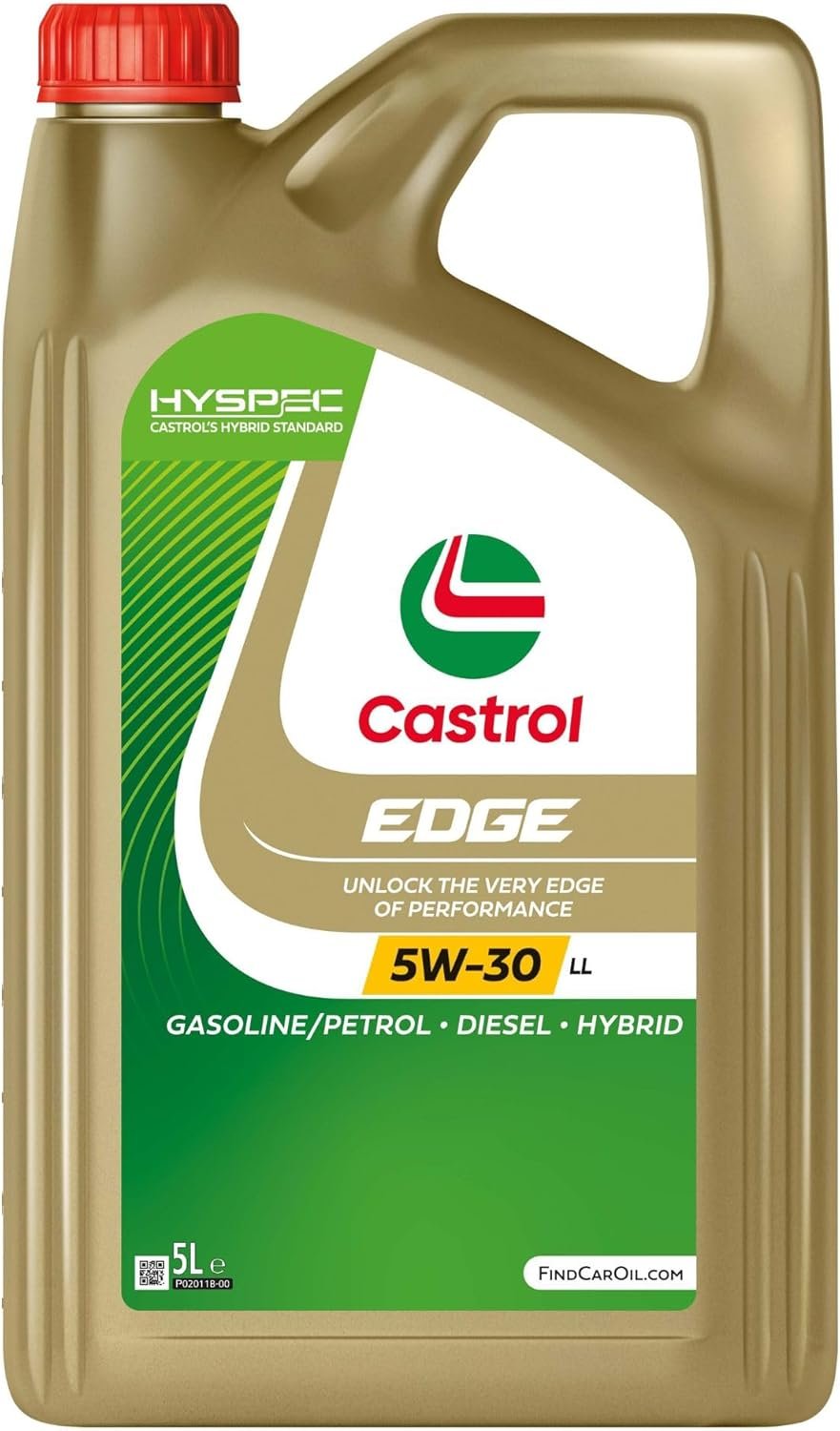
As an Amazon Associate, we may earn from qualifying purchases. This doesn't affect our recommendations — we only suggest oils that hold the exact OEM approval for your engine.
Best Engine Oil for Dacia Sandero 3rd Gen 1.0 TCe (90 HP)
The third-generation Dacia Sandero, launched in 2020, holds a unique position in the UK market as the cheapest new car on sale. Its value proposition is straightforward: a genuinely practical five-door hatchback with modern safety equipment at a price that undercuts every rival. Under the bonnet sits the H4D 470, a 999cc three-cylinder turbocharged petrol engine producing 90 HP — the same engine family that powers the Renault Clio 5 TCe. It is a modern, efficient unit that performs well above its modest displacement, but it is also an engine where skipping oil changes or using the wrong specification has serious and expensive consequences. Because the Sandero attracts budget-conscious buyers, there is a real temptation to cut corners on servicing. This guide explains why that temptation should be resisted, what oil the H4D 470 actually needs, and which products deliver the best protection for this hardworking little turbo three-cylinder.
Quick Answer: Recommended Oil
For Dacia Sandero 3rd Gen 1.0 TCe (90 HP) H4D 470:
- Recommended viscosity: SAE 5W-30 (alternative: 0W-30)
- Oil capacity: 4.4 litres with filter (4.1 L without)
- Required norm: Renault RN17, ACEA C3
Key point: The H4D 470 requires oil carrying the Renault RN17 approval — this is mandatory, not optional. RN17 is Renault’s modern specification for turbocharged petrol engines, demanding strong thermal stability, low-SAPS chemistry for emissions system compatibility, and robust anti-wear performance for the timing chain and turbocharger bearings. Using oil that does not meet RN17 risks premature timing chain wear, turbo coking, and accelerated oil consumption.
The H4D 470: Small Displacement, Big Demands
The H4D 470 is a 999cc inline three-cylinder with an aluminium block and head, a single turbocharger, multipoint fuel injection, and dual variable valve timing. It belongs to the same engine family as the HR10 series used across the Renault-Nissan Alliance, sharing its fundamental architecture with units found in the Clio 5, Captur, and Nissan Juke. The three-cylinder layout saves weight and reduces friction compared to a four-cylinder of equivalent displacement, but it also creates inherent vibration characteristics that require a balancer shaft and careful engine mounting.
Output is 90 HP at 5,000 RPM and 160 Nm of torque from 2,100 RPM, paired with either a five-speed manual or CVT automatic. These are modest figures, but the Sandero’s light kerb weight — a consequence of Dacia’s cost-conscious engineering — means the engine delivers perfectly adequate performance for daily driving. The turbo fills in the torque curve from low revs, and motorway cruising at legal speeds is comfortable rather than strained.
The critical point for oil selection is that extracting useful power from less than one litre of displacement requires the turbocharger to work hard. The turbo spins at very high speeds to generate meaningful boost, and its bearing relies entirely on the engine oil for lubrication and cooling. The timing chain — not a belt — drives the valve train, eliminating belt replacement costs but introducing a different maintenance consideration: the chain and its hydraulic tensioner depend on clean, correctly specified oil to function properly and resist wear.
Why the Sandero Needs Extra Attention
The Dacia Sandero is, by design, the most affordable new car in the UK. This is not a criticism — it is the car’s defining virtue. However, it attracts owners who are naturally focused on minimising costs, and that mindset can extend dangerously to maintenance. Skipping an oil change to save thirty or forty pounds is a false economy that risks timing chain failure costing over a thousand pounds. The H4D 470 is a modern, tightly engineered turbocharged engine that happens to sit in a budget car. It needs the same quality of care as the identical engine in a Renault Clio — the badge on the bonnet does not change what happens inside the cylinders.
Known Issues and Why Oil Matters
Timing Chain Wear and Stretch
The H4D 470 uses a timing chain with an expected lifespan of 120,000 to 150,000 km under proper maintenance conditions. However, the chain is relatively thin for packaging and efficiency reasons, making it more susceptible to stretch than heavier-duty chains found in older designs. A stretched timing chain alters valve timing, causing rough running, a rattling noise on cold start, increased emissions, and eventually a check engine light. If a severely worn chain jumps a tooth, the result is catastrophic valve-to-piston contact.
The timing chain tensioner is hydraulically operated by engine oil pressure. Degraded oil with depleted anti-wear additives and poor viscosity stability allows accelerated chain pin and roller wear while simultaneously reducing tensioner effectiveness. The cold-start rattle that some owners report — a brief metallic noise in the first seconds after starting — is often the chain slack exceeding the tensioner’s ability to compensate before full oil pressure establishes. This symptom should never be ignored, and it is directly worsened by oil that has been left in the engine too long or that does not meet specification.
Turbocharger Oil Coking
The turbocharger is generally reliable on the H4D 470, but it is sensitive to oil quality. After hard driving, the turbo housing retains significant heat. When the engine is switched off, oil flow ceases, and residual oil in the bearing housing can carbonise — a process called coking. Over time, these carbon deposits restrict the oil feed and return passages, starving the turbo bearing of lubrication. The result is progressive bearing wear, increased shaft play, oil leaking past the seals into the intake or exhaust, and ultimately turbo failure.
A fully synthetic oil meeting RN17 with strong high-temperature oxidation resistance is the primary defence against turbo coking. The RN17 specification specifically tests for thermal stability at the extreme temperatures found in turbo bearing housings. After motorway driving or spirited use, allowing the engine to idle for 30 to 60 seconds before switching off gives the oil time to carry heat away from the turbo.
Oil Consumption in Three-Cylinder Turbos
Three-cylinder turbocharged engines have a well-documented tendency toward slightly higher oil consumption than four-cylinder equivalents. The larger individual cylinder volume, combined with the inherent rocking motion of a three-cylinder layout, places greater demands on piston ring sealing. The turbocharger adds further consumption potential through its bearing seals. On the H4D 470, consumption of up to 0.5 litres per 10,000 km is considered normal. Check the dipstick at least monthly and top up as needed — the 4.4-litre total capacity means even a half-litre drop represents a meaningful reduction in the oil available to protect the engine.
Crankshaft Seal Leaks
At higher mileages, the front and rear crankshaft seals on the H4D 470 can develop oil weeps that gradually worsen. The seals harden with age and heat exposure, losing their ability to maintain contact with the spinning crankshaft surface. While a minor seep may only leave spots on the driveway, a significant leak can drop the oil level between services. Prompt repair prevents the more serious consequence of running the engine on low oil. These seals are relatively inexpensive parts, though labour access can add to the cost.
Power Loss Software Issue
Early H4D 470 engines from approximately 2018 to 2019 production were subject to a known power loss issue caused by ECU calibration errors affecting turbo boost control. This was resolved through a software update applied at dealer level. If purchasing a used Sandero from this production period, confirm that the recall or software update has been completed — the symptoms were intermittent power loss under acceleration and inconsistent boost delivery.
Technical Specifications: 1.0 TCe (H4D 470)
| Specification | Value |
|---|---|
| Displacement | 999cc (1.0 litre) |
| Layout | Inline-3, transverse, aluminium block and head |
| Valvetrain | DOHC, 12 valves, timing chain |
| Turbocharger | Single |
| Power | 90 HP @ 5,000 RPM |
| Torque | 160 Nm @ 2,100 RPM |
| Fuel Type | Petrol, 95 RON minimum |
| Recommended Viscosity | SAE 5W-30 |
| Alternative Viscosity | SAE 0W-30 |
| Oil Capacity (without filter) | 4.1 litres |
| Oil Capacity (with filter) | 4.4 litres |
| ACEA Norm | C3 |
| OEM Norm | Renault RN17 |
| Average Lifespan | 250,000 km |
Best Value: Total Quartz INEO MC3 5W-30 TotalEnergies’ MC3 formulation delivers full ACEA C3 protection at a price that undercuts the premium brands significantly. The synthetic base stock provides good thermal stability and oxidation resistance, and the additive package is well suited to the H4D 470’s requirements. At £30-35 for 5 litres, it is the most cost-effective quality option — and for a car whose owners are often budget-conscious, this matters. Total Quartz INEO MC3 is an excellent choice for owners committed to changing oil at the recommended intervals, where frequent renewal compensates for any marginal difference in ultimate per-fill performance. Widely available through motor factors and online retailers across the UK.
Oil Change Intervals
Dacia Official Recommendation:
- 15,000 km (approximately 9,300 miles) or 12 months, whichever comes first
Recommended Practice: 10,000 km (6,200 miles) or 12 months, whichever comes first.
The factory 15,000 km interval is calibrated for warranty cost management under assumed average driving conditions. The H4D 470’s combination of turbocharging, three-cylinder architecture, and modest displacement means the oil works harder per mile than in a larger engine. Reducing the interval to 10,000 km costs very little in additional oil and filter expense but pays substantial dividends in timing chain longevity, turbo bearing protection, and overall engine lifespan.
Consider 7,500 km (4,700 mile) intervals if:
- Predominantly short urban journeys under 10 miles
- Frequent cold starts in stop-and-go traffic
- Regular spirited driving or sustained motorway cruising at higher speeds
- Vehicle used for delivery work or frequent loaded driving
- Any history of unknown or incorrect oil used by previous owners
- Oil level drops noticeably between services
Monitor the dipstick monthly. The 4.4-litre sump capacity is not generous, and the three-cylinder turbo architecture means some oil consumption is normal. Allowing the level to drop significantly between checks risks inadequate oil pressure, accelerated timing chain wear, and turbo bearing damage. A monthly dipstick check takes thirty seconds and costs nothing.
Conclusion
The Dacia Sandero 3rd Gen 1.0 TCe requires SAE 5W-30 engine oil meeting Renault RN17 and ACEA C3, with a capacity of 4.4 litres including the filter. The H4D 470 is a well-engineered modern turbo three-cylinder that can deliver reliable service to 250,000 km and beyond — but only if maintained properly. The timing chain, turbocharger, and crankshaft seals all depend on oil that meets specification and is changed at sensible intervals.
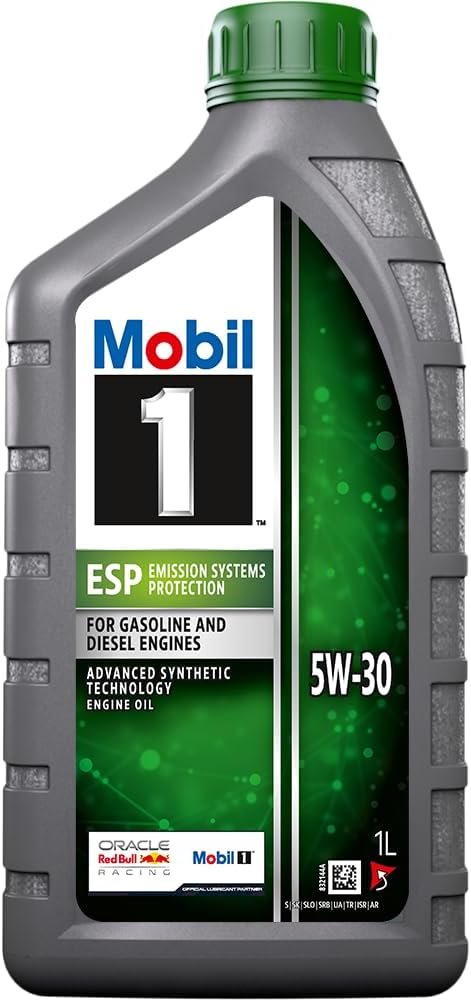
Elf Evolution 900 NF 5W-40 at £27-32 for 5 litres is the natural OEM choice with guaranteed RN17 approval. Mobil 1 ESP 5W-30 and Castrol EDGE 5W-30 LL offer premium protection for owners who want the best available. Total Quartz INEO MC3 5W-30 delivers strong ACEA C3 protection at the lowest price, making it ideal for budget-conscious owners who commit to regular changes. Whichever oil you choose, change it at 10,000 km or sooner, check the dipstick monthly, and allow the turbo to cool before switching off after sustained driving. The Sandero may be the cheapest new car in the UK, but the engine underneath deserves the same respect as any modern turbocharged unit. Thirty-five pounds of quality oil every year is the cheapest insurance against a four-figure repair bill.
Our Top Picks
As an Amazon Associate, we may earn from qualifying purchases. This doesn't affect our recommendations — we only suggest oils that hold the exact OEM approval for your engine.