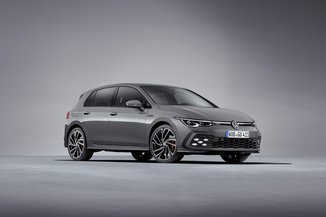
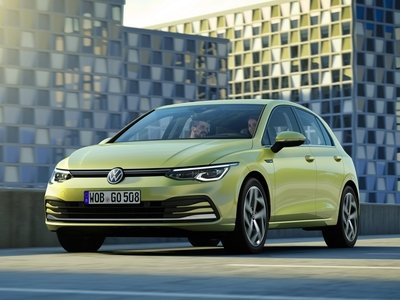
Best Engine Oil for VW Golf 6 1.6 TDI 90/105 HP
The Volkswagen Golf 6 with the 1.6 TDI four-cylinder turbodiesel engine (2008-2012) represented VW’s mainstream diesel offering, delivering exceptional fuel economy of 3.8-4.2 L/100 km with adequate torque for daily driving. Available in 90 HP and 105 HP outputs, this EA189 common-rail diesel prioritized efficiency and low running costs. Understanding the correct oil specification and proactive maintenance approach—particularly regarding DPF and EGR system care—is essential for maximizing reliability and achieving the 200,000+ km longevity this engine is capable of delivering.
Quick Answer: Recommended Oil
For Golf 6 1.6 TDI (90/105 HP):
- Required viscosity: SAE 5W-30 (mandatory for DPF compatibility)
- VW specification: VW 507 00 (low-SAPS diesel, mandatory)
- Oil capacity: 4.3 liters with filter
- Recommended oils:
Critical: VW 507 00 specification is mandatory—not optional. Standard VW 505 01 or generic diesel oils lack the low-SAPS formulation required for DPF compatibility, causing premature filter clogging and expensive repairs. Regular oil changes combined with appropriate driving patterns (including periodic motorway runs) support optimal DPF regeneration and long-term reliability.
The EA189 1.6 TDI Engine
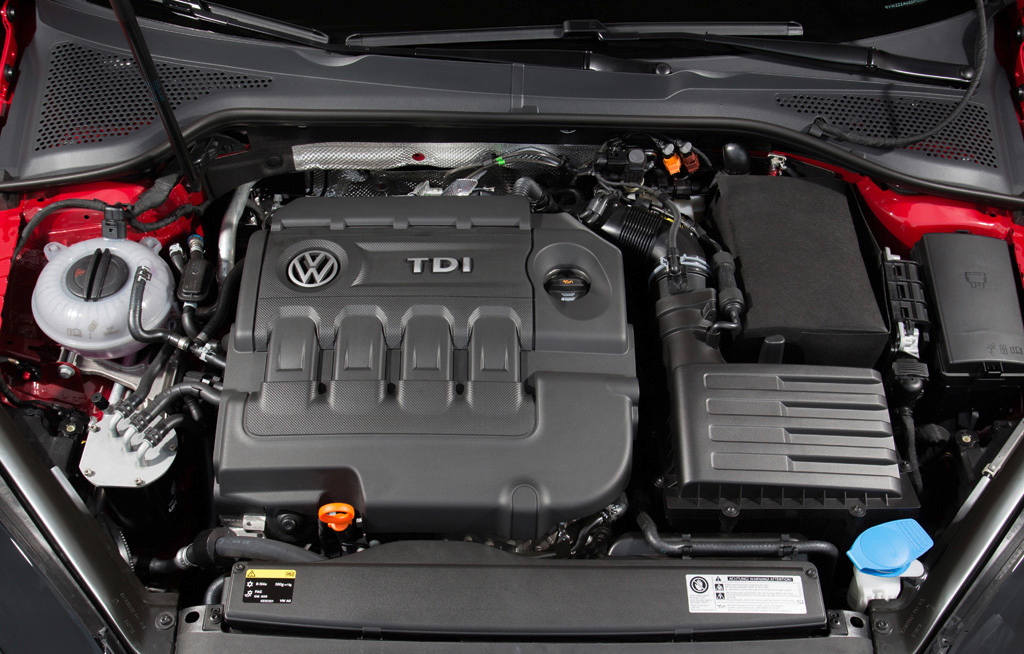
Introduced for the Golf 6 in 2009, the EA189 1.6 TDI represented Volkswagen’s second-generation common-rail diesel technology. This four-cylinder 1,598cc turbodiesel features cast iron block, aluminum cylinder head, timing belt drive, and variable geometry turbocharger—delivering excellent fuel economy with adequate performance for most driving scenarios.
Key Technologies
Common Rail Direct Injection: The Continental common-rail system operates at up to 1,800 bar injection pressure, enabling multiple injection events per combustion cycle. This improves fuel atomization, reduces emissions, and provides smooth power delivery. The high-pressure fuel pump runs off the timing belt, making belt service critical not just for valve timing but fuel system protection.
Variable Geometry Turbocharger: The BorgWarner turbocharger features adjustable vanes controlling boost pressure across the RPM range. This provides strong low-RPM torque (250 Nm from 1,500 RPM on 105 HP variant) ideal for overtaking and motorway merging. The VGT system requires clean oil for reliable vane operation.
Emissions Control System: The EA189 includes comprehensive emissions hardware meeting Euro 5 standards:
- Diesel Particulate Filter (DPF) trapping soot particles
- Dual-loop EGR system recirculating exhaust gases
- Oxidation catalyst reducing hydrocarbons
- Swirl flaps in intake manifold optimizing combustion
These systems require appropriate oil specification (VW 507 00) and driving patterns supporting periodic DPF regeneration.
Understanding DPF Regeneration
The DPF accumulates soot particles during normal operation, requiring periodic high-temperature “regeneration” cycles burning off accumulated deposits. This occurs automatically during sustained motorway driving at 2,000+ RPM for 15-20 minutes.
Supporting Healthy DPF Operation:
- Weekly motorway drive (20+ km at 100-120 km/h)
- Avoid excessive idling or short trips under 10 km
- Use premium diesel fuel brands
- Maintain VW 507 00 oil specification
- Monitor DPF warning lights promptly
Vehicles used primarily for short urban trips may experience incomplete regeneration, eventually requiring professional DPF cleaning (£350-500) or replacement (£1,200-2,000). However, appropriate driving patterns and correct oil specification typically prevent these issues.
Technical Specifications by Power Output
1.6 TDI 90 HP (66 kW) – Base:
- Engine code: CAYB
- Production: 2009-2012 (Golf 6)
- Power: 90 HP (66 kW) @ 3,200-4,200 RPM
- Torque: 230 Nm (170 lb-ft) @ 1,500-2,750 RPM
- 0-100 km/h: 12.7 seconds
- Top speed: 179 km/h
- Fuel economy: 3.9-4.2 L/100 km
- CO2: 99-109 g/km
1.6 TDI 105 HP (77 kW) – Standard:
- Engine code: CAYC
- Production: 2009-2012 (Golf 6)
- Power: 105 HP (77 kW) @ 3,200-4,200 RPM
- Torque: 250 Nm (184 lb-ft) @ 1,500-2,750 RPM
- 0-100 km/h: 11.3 seconds
- Top speed: 188-190 km/h
- Fuel economy: 3.8-4.0 L/100 km (BlueMotion: 3.8)
- CO2: 99-104 g/km
Oil Requirements (Both Variants):
- Viscosity: SAE 5W-30 only
- Specification: VW 507 00 mandatory
- Capacity: 4.3 liters with filter
- Filter: Mann HU 7029 z or Mahle OX 774D
- ACEA rating: C3 (low-SAPS)
Both power variants share identical mechanical construction; output differences result from ECU calibration and turbo boost pressure adjustments.
Oil Specification: VW 507 00 Explained
Why VW 507 00 is Mandatory
VW 507 00 represents the ONLY approved specification for diesel engines equipped with DPF. This low-SAPS (Sulfated Ash, Phosphorus, Sulfur) formulation prevents ash accumulation poisoning the DPF catalyst substrate.
Critical Differences:
VW 505 01 (Older Diesel Standard – Prohibited):
- Higher SAPS content (1.0-1.5% sulfated ash)
- Designed for pre-DPF diesel engines
- Phosphorus/zinc additives poison DPF catalyst
- Causes premature DPF clogging within 30,000-50,000 km
VW 507 00 (Required for DPF Engines):
- Ultra-low SAPS (≤0.8% sulfated ash)
- Reduced phosphorus (≤0.08%), sulfur (≤0.3%)
- ACEA C3 performance category
- Extended drain capability up to 30,000 km theoretical
- DPF-compatible formulation prevents ash buildup
Consequences of Wrong Oil: Using VW 505 01 or generic diesel oil accelerates DPF poisoning. The higher SAPS additive package creates ash deposits that cannot burn off during regeneration. Within 30,000-50,000 km, the DPF becomes permanently clogged requiring £1,200-2,000 replacement.
Top Oil Recommendations
Best Overall: Castrol Edge 5W-30 LL (see on Amazon)
VW 507 00 approved formulation specifically engineered for VW Group diesel engines with DPF. Excellent protection prevents ash accumulation through extended drains while maintaining optimal viscosity for turbocharger bearings and fuel injection components. Castrol’s VW technical partnership ensures formulation optimization. Cost: £50-65/5L. Best for longlife service or maximum DPF protection.
Performance Choice: Mobil 1 ESP Formula 5W-30 (see on Amazon)
Advanced full synthetic meeting VW 507 00 with superior thermal stability for sustained motorway driving. Robust low-SAPS additive package protects turbo VGT vanes while maintaining DPF compatibility. Excellent cold-start fluidity reduces wear during frequent short trips. Cost: £52-68/5L.
German Quality: Liqui Moly Top Tec 4200 5W-30
Premium VW 507 00 oil from German specialist. Excellent low-temperature properties critical for DPF regeneration support during cold starts. Proven track record in European TDI fleet applications. Mid-range pricing (£45-60/5L) reflects engineering excellence.
Value Leader: Shell Helix Ultra ECT 5W-30 (view on Amazon)
VW 507 00 approved offering solid DPF protection at competitive pricing. Adequate thermal stability for normal driving patterns. Widely available. Cost: £40-50/5L. Best for owners maintaining 10,000-15,000 km intervals.
Oil Change Intervals
VW Official:
- Longlife service (VW 507 00): Up to 30,000 km or 2 years
- Variable service: Indicated by onboard computer (typically 15,000-20,000 km)
Recommended Practice: 10,000-15,000 km or annually.
Why Appropriate Intervals Matter:
Regular oil changes maintain DPF-compatible low-SAPS properties while removing combustion byproducts and diesel fuel dilution. Fresh oil ensures consistent lubrication protecting high-pressure fuel injection components, turbocharger VGT mechanism, and timing belt tensioner hydraulic system.
For diesels used primarily for short trips, 10,000 km intervals help compensate for incomplete DPF regenerations and fuel dilution from frequent cold starts. Vehicles used predominantly for longer motorway journeys can safely extend to 15,000 km intervals.
Practical Schedule:
- Primarily short trips (under 15 km): 10,000 km intervals
- Mixed urban/motorway driving: 10,000-12,000 km intervals
- Predominantly motorway use: 12,000-15,000 km intervals
- Always annually regardless of mileage
Common Maintenance Items
DPF Management: The most critical aspect of EA189 ownership. Proper driving patterns support automatic regeneration: weekly 20+ km motorway drive at 2,000-3,000 RPM for 15-20 minutes. Vehicles used predominantly for short urban trips may require periodic forced regeneration via diagnostic tool (£80-150) or professional DPF cleaning (£350-500) around 100,000-120,000 km. Using VW 507 00 oil and premium diesel fuel minimizes soot production supporting healthy DPF operation.
EGR Valve Service: The EGR valve recirculates exhaust gases reducing emissions but accumulates carbon deposits over time. Symptoms emerge around 80,000-120,000 km including rough idle or check engine lights. Professional cleaning (£150-300) typically resolves issues; complete replacement (£400-800) needed for mechanical failure. Regular motorway driving and quality fuel help minimize carbon accumulation.
Timing Belt Replacement: Critical service interval at 120,000 km or 5 years. Combined with water pump service costs £400-600. Neglecting this service risks catastrophic engine damage as the interference design causes valve-piston contact if belt breaks. High-pressure fuel pump also runs off timing belt—belt failure destroys pump (£800-1,200) in addition to engine damage.
Fuel Injector Maintenance: Common-rail injectors may require attention around 120,000-150,000 km depending on fuel quality. Symptoms include rough idle, black smoke, or reduced power. Professional injector cleaning (£200-400 for all four) often resolves issues; complete replacement (£800-1,600) needed for mechanical failure. Using premium diesel brands and regular fuel filter changes (annually) maximize injector longevity.
Turbocharger Care: The VGT turbocharger requires quality VW 507 00 oil for reliable vane operation. Symptoms of turbo issues include whistling sounds, reduced power, or excessive smoke. Regular oil changes at appropriate intervals prevent premature turbo wear. Turbo replacement costs £800-1,500 if needed.
Why Correct Oil Specification Matters
DPF Longevity: VW 507 00’s ultra-low SAPS formulation prevents ash accumulation poisoning the DPF catalyst. Standard diesel oils create ash deposits that permanently clog the filter within 30,000-50,000 km, requiring £1,200-2,000 replacement. The £10-15 per oil change savings becomes a £1,500+ loss.
Emissions System Protection: Low-SAPS oil supports all emissions components including EGR valve and oxidation catalyst, maintaining optimal operation throughout the vehicle’s lifespan.
Fuel System Protection: VW 507 00 includes additives protecting high-pressure common-rail components including injectors and fuel pump. Quality oil prevents premature wear extending expensive fuel system component longevity.
Long-Term Reliability: Consistent use of VW 507 00 supports reliable operation beyond 200,000 km when combined with appropriate maintenance and driving patterns supporting DPF regeneration.
Maximizing Golf 6 1.6 TDI Longevity
Proactive Maintenance Strategy:
- Use VW 507 00 oil exclusively—never substitute
- Maintain 10,000-15,000 km oil change intervals
- Weekly motorway drive supporting DPF regeneration
- Plan timing belt service at 120,000 km (£400-600)
- Use premium diesel fuel brands
- Address check engine lights promptly preventing secondary issues
- Monitor for EGR valve symptoms around 80,000-120,000 km
Driving Pattern Optimization:
The Golf 6 1.6 TDI thrives with mixed driving including regular motorway use. Owners using the vehicle predominantly for short urban trips (under 15 km) should incorporate weekly longer drives supporting DPF regeneration. This simple habit prevents expensive DPF cleaning or replacement while maintaining optimal engine performance.
Long-Term Value:
Many Golf 6 1.6 TDI owners report reliable operation exceeding 200,000 km with appropriate maintenance. The engine’s fundamental design is robust—the key is supporting the emissions control system through correct oil specification and driving patterns. Understanding these requirements allows owners to maximize the excellent fuel economy (3.8-4.2 L/100 km) this engine provides.
Conclusion
The Volkswagen Golf 6 1.6 TDI 90/105 HP requires VW 507 00 approved SAE 5W-30 oil for reliable operation and DPF longevity. This low-SAPS specification is mandatory—not optional—for preventing £1,200-2,000 DPF failures.
Prioritize 10,000-15,000 km service intervals with quality VW 507 00 oil. The £50-65 invested in appropriate oil prevents catastrophic DPF clogging, supports emissions system longevity, and protects expensive fuel injection components.
Choose proven VW 507 00 brands: Castrol EDGE Professional LL 04, Mobil 1 ESP Formula, Liqui Moly Top Tec 4200, or Shell Helix Ultra ECT. Verify VW 507 00 approval printed on every bottle.
Combined with weekly motorway regeneration cycles (20+ km at 100-120 km/h), premium diesel fuel, timely timing belt replacement (120,000 km), and proactive EGR maintenance when needed, your Golf 6 1.6 TDI delivers exceptional fuel economy (3.8-4.2 L/100 km) and reliable transportation well beyond 200,000 km. The EA189 diesel rewards proper maintenance with longevity—the key is understanding the specific requirements for supporting the DPF emissions system through correct oil specification and appropriate driving patterns from day one.