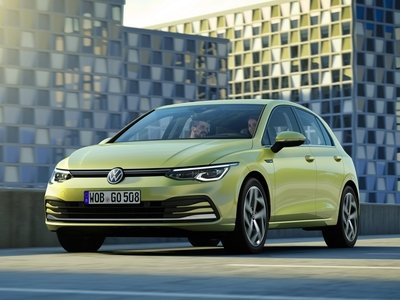
Best Engine Oil for Volkswagen Golf 8 2.0 TDI 115/150/200 HP
The Volkswagen Golf 8 equipped with the 2.0 TDI diesel engine represents the pinnacle of modern diesel technology, combining impressive fuel economy, refined performance, and exceptionally low emissions through advanced twin-dosing SCR catalytic conversion. The EA288 evo powerplant delivers 115, 150, or 200 horsepower depending on tune, featuring sophisticated technologies including dual AdBlue injection, variable geometry turbocharging, and diesel particulate filtration. Understanding proper oil specifications for these advanced diesel engines ensures optimal performance, protects expensive emissions components, and maximizes the legendary reliability TDI engines are known for.
The Golf 8 TDI and EA288 evo Engine
The eighth-generation Golf TDI brings evolutionary refinements to Volkswagen’s diesel lineup while incorporating groundbreaking emissions technology. The EA288 evo 2.0-liter four-cylinder turbodiesel features an iron block with aluminum alloy cylinder head, variable geometry turbocharger, and common-rail direct injection operating at pressures up to 2,000 bar. The 84mm bore and 90mm stroke create a square design balancing torque with rev capability.
The twin-dosing technology represents the EA288 evo’s marquee feature. Two separate SCR (Selective Catalytic Reduction) catalytic converters inject AdBlue urea solution at different points in the exhaust stream, reducing nitrogen oxide (NOx) emissions by up to 80% compared to previous generation TDIs. The first SCR sits close to the engine for rapid warm-up efficiency, while the second underbody unit provides additional NOx reduction. This dual-stage approach allows the Golf 8 TDI to meet stringent Euro 6d-ISC-FCM emission standards with significant margin.
The three power outputs serve different market segments:
- 115 HP (85 kW): Economy-focused base engine providing 300 Nm torque for relaxed driving
- 150 HP (110 kW): Volume variant delivering 360-370 Nm torque with excellent real-world performance
- 200 HP (147 kW): GTD performance engine producing 400 Nm torque for hot hatch enthusiasts
Oil Specification Evolution: 0W-20 vs. 5W-30
The Golf 8 TDI represents a transition period in Volkswagen’s oil specifications, with different power variants and model years requiring distinct formulations:
115/150 HP variants (most models): VW 508 00 / 509 00 specification requiring 0W-20 ultra-low viscosity synthetic oil
200 HP GTD variant: VW 504 00 / 507 00 specification allowing 5W-30 synthetic oil (some sources indicate newer GTDs may also use 0W-20)
Early production models: Some 2020-2021 Golf 8 TDIs specified VW 507 00 with 5W-30 viscosity
This evolution reflects Volkswagen’s push toward ultra-low viscosity oils for fuel economy and emissions benefits. However, diesel engines traditionally used heavier oils due to higher soot loading and cylinder pressures. The adoption of 0W-20 for diesel engines represents sophisticated formulation advances allowing thinner oils to provide adequate protection despite diesel combustion’s demanding characteristics.
Critical importance: Verify your specific vehicle’s requirements in the owner’s manual or service booklet. Using incorrect specification (VW 504/507 vs. VW 508/509) can damage emissions components and void warranty coverage.
Engine Oil Specifications
2.0 TDI 115 HP (DTRD Engine Code)
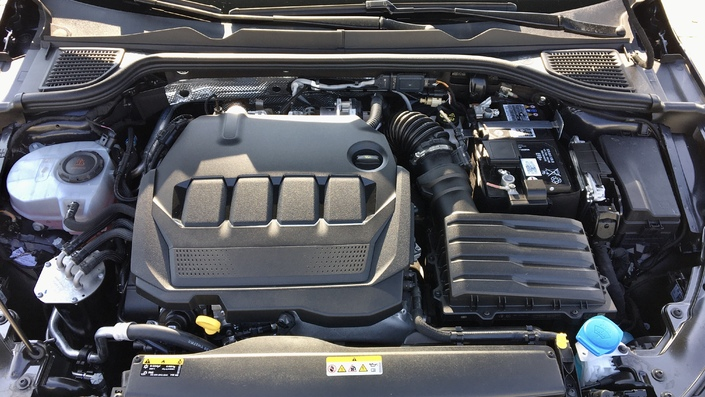
- Oil viscosity: SAE 0W-20 (mandatory for most models)
- Oil capacity: 5.0-5.5 liters (5.3-5.8 quarts) with filter
- Required specification: VW 508 00 / VW 509 00 (newer models) or VW 507 00 (early models), ACEA C5/C3
- Horsepower: 115 HP (85 kW) @ 3,250-4,000 RPM
- Torque: 300 Nm (221 lb-ft) @ 1,600-2,500 RPM
- Fuel type: Diesel (B7, up to 7% biodiesel)
- Compression ratio: 15.5:1
- Engine code: DTRD
- Features: Common-rail injection, VGT turbocharger, twin-dosing SCR, DPF, two balance shafts
- Available transmissions: 6-speed manual
- 0-100 km/h: 10.2 seconds
- Combined fuel consumption: 3.5-4.0 L/100 km
Technical Specifications:
Recommended oil: Castrol EDGE Professional LL IV FE 0W-20 (see on Amazon)
2.0 TDI 150 HP (DXPA/DTTC Engine Codes)
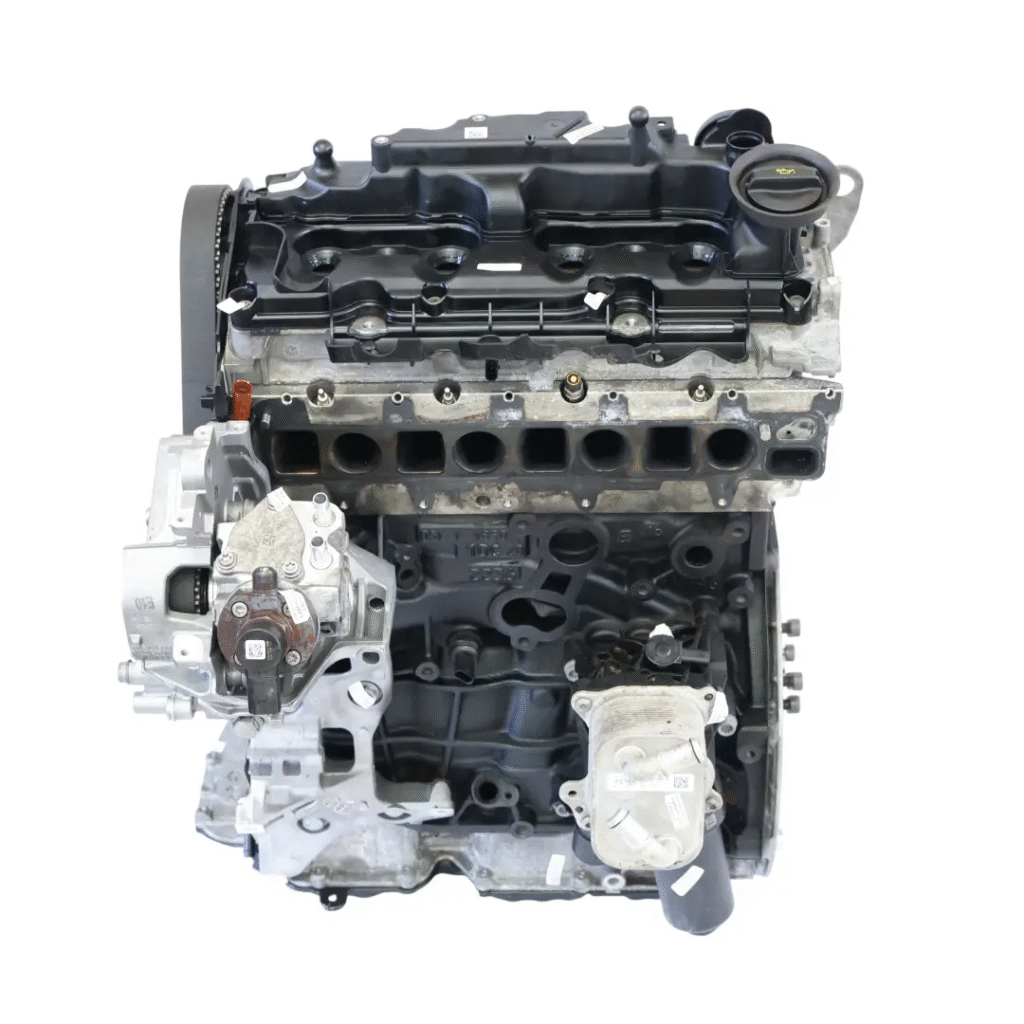
Technical Specifications:
- Oil viscosity: SAE 0W-20 (mandatory for most models)
- Oil capacity: 5.0-5.5 liters (5.3-5.8 quarts) with filter
- Required specification: VW 508 00 / VW 509 00 (newer models) or VW 507 00 (early models), ACEA C5/C3
- Horsepower: 150 HP (110 kW) @ 3,500-4,000 RPM
- Torque: 360-370 Nm (266-273 lb-ft) @ 1,750-3,000 RPM
- Fuel type: Diesel (B7)
- Compression ratio: 15.5:1
- Engine code: DXPA (FWD), DTTC (4Motion AWD)
- Features: Common-rail injection, VGT turbocharger, twin-dosing SCR, DPF, two balance shafts
- Available transmissions: 6-speed manual, 7-speed DSG
- 0-100 km/h: 8.6-8.8 seconds
- Top speed: 220-223 km/h
- Combined fuel consumption: 3.9-4.4 L/100 km
Recommended oil: Castrol EDGE Professional LL IV FE 0W-20 (see on Amazon)
2.0 TDI 200 HP GTD (DTUA Engine Code)
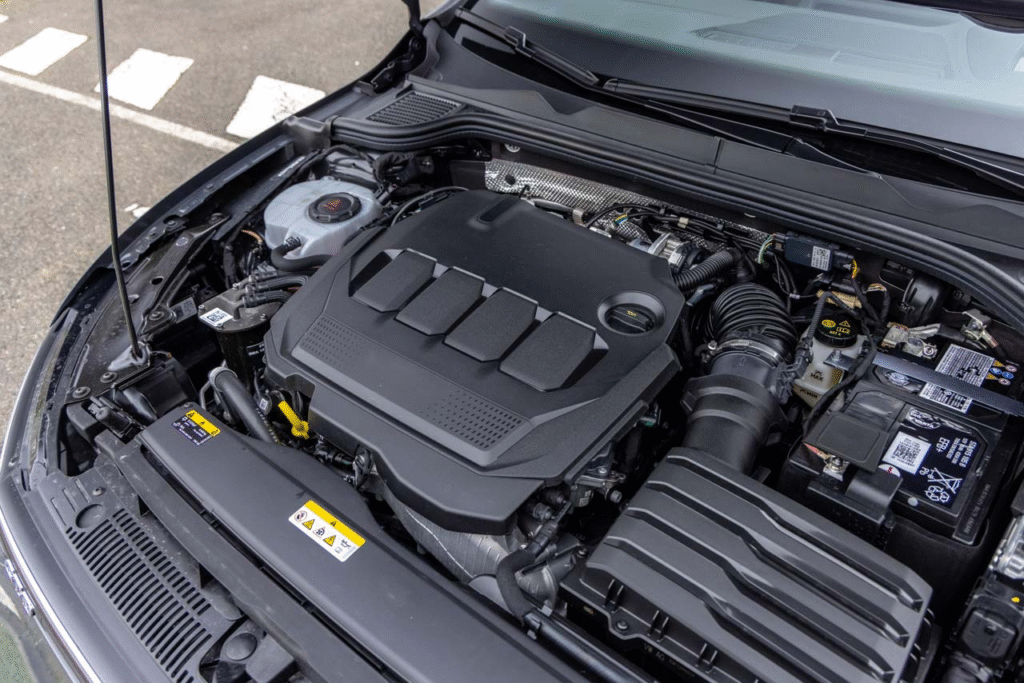
Technical Specifications:
- Oil viscosity: SAE 0W-30 or SAE 5W-30 (depending on model year)
- Oil capacity: 5.0-5.5 liters (5.3-5.8 quarts) with filter
- Required specification: VW 504 00 / VW 507 00 (most models) or VW 508 00/509 00 (newer variants), ACEA C3/C5
- Horsepower: 200 HP (147 kW) @ 3,800-4,200 RPM
- Torque: 400 Nm (295 lb-ft) @ 1,750-3,250 RPM
- Fuel type: Diesel (B7)
- Compression ratio: 15.5:1
- Engine code: DTUA
- Features: Enhanced common-rail injection, larger VGT turbocharger, twin-dosing SCR, DPF, performance-tuned balance shafts
- Transmission: 7-speed DSG only
- 0-100 km/h: 7.1 seconds
- Top speed: 245 km/h (electronically limited)
- Combined fuel consumption: 4.7-5.3 L/100 km
- Application: Golf GTD performance variant
Recommended oil: Castrol Edge 5W-30 LL (see on Amazon)
Understanding VW 508 00/509 00 vs. VW 504 00/507 00
The specification difference between VW 508 00/509 00 and VW 504 00/507 00 proves critical for Golf 8 TDI owners:
VW 508 00 / 509 00 (Newer Specification)
- Viscosity: 0W-20 exclusively
- ACEA: C5 or C6 rating
- Purpose: Maximum fuel economy, ultra-low emissions, extended drain intervals
- Low-SAPS: Extremely low Sulfated Ash, Phosphorus, and Sulfur to protect advanced gasoline particulate filters and diesel DPF systems
- Application: Newer Golf 8 TDI 115/150 HP variants (2020-2024+)
- Extended drains: Theoretical capability up to 30,000 km (practical recommendation: 10,000-15,000 km)
VW 504 00 / 507 00 (Previous Generation)
- Viscosity: 5W-30 (some 0W-30 formulations exist)
- ACEA: C3 rating
- Purpose: Diesel engine protection with DPF compatibility
- Low-SAPS: Moderate Sulfated Ash, Phosphorus, and Sulfur levels
- Application: Golf 8 TDI 200 HP GTD, some early 2020-2021 TDI variants
- Extended drains: Approved for 15,000-30,000 km intervals
Never substitute between these specifications. Using VW 504/507 oil (5W-30) in an engine requiring VW 508/509 (0W-20) voids warranty and may damage emissions components. Conversely, using 0W-20 in engines specified for 5W-30 provides inadequate protection for higher-output variants’ increased cylinder pressures.
Twin-Dosing Technology and Oil Implications
The twin-dosing SCR system represents sophisticated emissions control requiring specific oil formulations. The two separate SCR catalytic converters each inject AdBlue urea solution, with precise dosing controlled by NOx sensors monitoring emission levels.
Why low-SAPS oils matter critically:
DPF protection: The diesel particulate filter traps soot but cannot capture ash from oil additives. Traditional high-SAPS diesel oils containing substantial zinc (ZDDP) and other metallic additives create ash that accumulates in the DPF, eventually requiring expensive cleaning or replacement (€1,000-2,500).
SCR catalyst longevity: Ash deposits can contaminate SCR catalytic converters, reducing their efficiency in converting NOx. The twin-dosing system’s effectiveness depends on clean catalyst surfaces.
AdBlue consumption: Oils with incorrect specifications can increase AdBlue consumption as the SCR system works harder to compensate for elevated NOx levels from suboptimal combustion lubrication.
Regeneration frequency: Proper low-SAPS oils minimize ash accumulation, reducing the frequency of DPF regeneration cycles (where exhaust temperatures rise to 600°C+ to burn trapped soot). Frequent regeneration increases fuel consumption and stresses engine components.
The Golf 8 TDI features a 12-liter AdBlue tank requiring periodic refilling (typically every 6,000-10,000 km depending on driving patterns). Using correct VW-approved oils helps optimize AdBlue consumption and system efficiency.
Diesel Particulate Filter (DPF) Maintenance
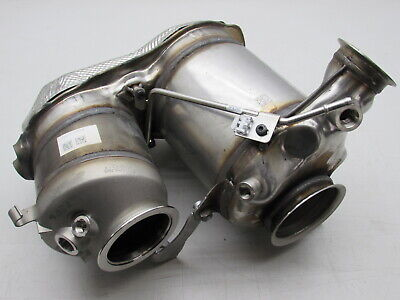
The DPF traps particulate matter (soot) from diesel combustion, preventing it from entering the atmosphere. However, the filter requires periodic regeneration to burn off accumulated soot:
Passive regeneration: Occurs automatically during highway driving when exhaust temperatures exceed 400°C, burning soot without driver intervention
Active regeneration: The engine management system increases exhaust temperature through post-injection or other strategies when soot loading reaches thresholds
Forced regeneration: Dealer service procedure using diagnostic equipment when normal regeneration fails
DPF clogging prevention:
Drive style: Regular highway journeys at sustained speeds allow passive regeneration. Short-trip city driving preventing regeneration leads to excessive soot accumulation.
Correct oil: Only use VW 508 00/509 00 or VW 504 00/507 00 approved oils. Wrong oils dramatically accelerate ash accumulation.
Fuel quality: Use premium diesel from major brands to minimize soot-producing contaminants
Complete regeneration cycles: If the DPF light illuminates or you notice regeneration starting (increased idle speed, fan operation), continue driving for 15-20 minutes to complete the cycle
Oil change intervals: Diesel soot contaminates oil rapidly. Never exceed recommended intervals.
Warning signs of DPF problems:
- Frequent regeneration cycles
- Reduced fuel economy
- Loss of power
- Check engine light with P2002 (DPF efficiency) or similar codes
- Strong diesel smell during regeneration
- Engine oil level increasing (fuel dilution from regeneration attempts)
The Oil Dilution Issue
Some Golf 8 TDI owners report fuel dilution where diesel fuel contaminates engine oil, causing the oil level to rise noticeably. This occurs primarily when:
Failed regeneration attempts: If DPF regeneration cannot complete, excess fuel injected for post-combustion can bypass piston rings and dilute crankcase oil
Frequent short trips: Engines never reaching full operating temperature allow fuel to condense on cylinder walls rather than evaporating
Faulty injectors: Leaking or incorrectly atomizing fuel injectors allow raw diesel into the combustion chamber
Symptoms:
- Rising oil level between changes
- Strong diesel smell in engine oil
- Reduced oil viscosity (feels thinner)
- Oil warning light indicating “reduce oil level”
Solutions:
Extended highway drives: 30-45 minute drives at sustained speeds (100+ km/h) raise oil temperature sufficiently to evaporate accumulated fuel
More frequent oil changes: If dilution persists, reduce intervals to 7,500 km to remove contaminated oil before damage occurs
Dealer diagnosis: Persistent dilution may indicate faulty injectors or DPF regeneration system malfunction requiring professional repair
Driving pattern adjustment: Incorporate longer trips preventing excessive short-cycle operation
Fuel dilution reduces oil’s lubricating properties dramatically. Monitor oil level monthly and address increases immediately.
Oil Change Intervals: Balancing Longevity and Protection
Volkswagen officially recommends oil changes at 15,000 km or 12 months for Golf 8 TDI engines using VW 508 00/509 00 approved oils, with some markets extending to 30,000 km. However, diesel combustion’s soot loading and real-world driving patterns warrant more conservative approaches.
Recommended practical intervals:
Every 10,000-12,000 km or annually for normal driving: This frequency provides excellent protection while avoiding risks of VW’s aggressive recommendations. Diesel soot contaminates oil far more rapidly than gasoline combustion.
Every 7,500-10,000 km for severe service including:
- Predominantly short trips under 15 km
- Extensive city driving preventing DPF regeneration
- Frequent DPF regeneration cycles
- Towing trailers or roof-mounted cargo
- Dusty or muddy environments
- Commercial/fleet use with extended idling
The critical first oil change: Consider performing initial service at 5,000-7,500 km rather than waiting for VW’s 15,000+ km recommendation. This removes metallic break-in particles and establishes a maintenance baseline.
For 200 HP GTD variants: The higher output and performance-oriented use justify intervals at the shorter end (10,000 km maximum) due to elevated stresses.
Monitoring oil condition: Check oil level and appearance every 2,000 km. Dark, sooty diesel oil is normal, but rapidly blackening oil or fuel smell indicates problems requiring attention.
Diesel engines generate approximately 10x more soot than equivalent gasoline engines. This soot suspension in oil accelerates oxidation and degrades lubrication properties far faster than in gasoline applications. Conservative intervals protect expensive turbochargers and injection systems.
Approved Oil Brands and Formulations
Only use oils explicitly displaying VW 508 00/509 00 or VW 504 00/507 00 approval (depending on your specific engine requirement):
VW 508 00 / 509 00 Approved (0W-20):
Castrol EDGE Professional LL IV FE 0W-20: Premium synthetic meeting VW 508 00/509 00 and Porsche C20 specifications
Mobil 1 ESP Formula 0W-20: Advanced synthetic approved to VW 508 00/509 00 standards
Shell Helix Ultra Professional AF 0W-20: PurePlus synthetic meeting VW 508 00/509 00 requirements
Total Quartz INEO First 0W-20: French synthetic approved to VW 508 00/509 00
Liqui Moly Special Tec LR 0W-20: German synthetic meeting VW 508 00/509 00 specifications
Ravenol VMP 0W-20: Performance synthetic approved to VW 508 00/509 00
VW 504 00 / 507 00 Approved (5W-30):
Castrol EDGE Professional LL III 5W-30: Classic longlife diesel oil meeting VW 504 00/507 00
Mobil 1 ESP Formula 5W-30: Versatile synthetic for VW 504 00/507 00 applications
Shell Helix Ultra Professional AV 5W-30: Diesel-optimized synthetic meeting VW 504 00/507 00
Total Quartz INEO MC3 5W-30: Diesel formulation approved to VW 504 00/507 00
Liqui Moly Top Tec 4200 5W-30: German diesel synthetic meeting VW 504 00/507 00
Motul 8100 X-Clean 5W-30: Performance diesel oil with VW 504 00/507 00 approval
Genuine VW Longlife III 5W-30: Factory-branded oil guaranteeing compliance
Critical warning: Never use oils lacking explicit VW approval numbers on the container, even if they meet generic ACEA C3 or C5 specifications. VW’s testing goes beyond industry standards, and non-approved oils void warranty while risking DPF damage.
AdBlue Quality and Refilling
The twin-dosing system consumes AdBlue (diesel exhaust fluid/DEF) at rates of approximately 1-2 liters per 1,000 km depending on driving style and ambient temperature. The 12-liter tank typically requires refilling every 6,000-10,000 km.
AdBlue quality requirements:
ISO 22241 standard: Use only AdBlue meeting this specification, typically labeled AUS 32 or ISO 22241-1
No substitutes: Never use water, coolant, or other fluids. Only genuine AdBlue prevents SCR system damage.
Storage: AdBlue degrades when exposed to sunlight or temperatures above 30°C. Store in cool, dark locations.
Refilling: The tank filler typically located next to the fuel filler or under rear seat. Add AdBlue slowly to prevent foaming.
Warning: AdBlue will crystalize if allowed to freeze (below -11°C), though the tank features heating elements. Never add anti-freeze or other additives.
Low AdBlue triggers warning messages with progressively severe consequences:
- 2,400 km range: Initial warning
- 1,000 km range: Frequent warnings
- 0 km range: Engine will not restart after shutdown
Premium brands (Shell, Total, BP) offer high-quality AdBlue ensuring purity and proper SCR function.
High-Mileage Considerations
As Golf 8 TDI engines accumulate kilometers:
Continue approved oils exclusively: Unlike some engines, TDIs must use VW 508 00/509 00 or 504 00/507 00 oils regardless of mileage
Monitor oil consumption: Check every 2,000 km on engines with 100,000+ km, addressing increases promptly
Shorter intervals after 150,000 km: Reduce to 10,000 km maximum even under normal driving
DPF assessment: Have DPF inspected around 150,000 km for ash accumulation; cleaning may extend service life
Turbocharger health: Monitor for oil leaks, unusual noise, or boost pressure loss
Injector maintenance: Consider professional injector cleaning/testing at 120,000-150,000 km intervals
EGR system: Clean EGR valve and cooler every 80,000-100,000 km to prevent carbon buildup
Essential Maintenance Reminders
Never exceed 12,000-15,000 km between oil changes regardless of VW’s official recommendations
Check oil level every 2,000 km – monitor for both low level and increases (fuel dilution)
Use only VW 508 00/509 00 or VW 504 00/507 00 approved oils in correct 0W-20 or 5W-30 viscosity
Replace filters with every change using quality Mann, Hengst, or OE VW parts
Maintain AdBlue supply – never allow complete depletion
Complete DPF regeneration cycles – continue driving when regeneration starts
Use premium diesel from major brands to minimize soot and contaminants
Allow proper warm-up – avoid aggressive acceleration until coolant reaches operating temperature
Monitor for warning signs: DPF light, oil dilution, turbo noise, loss of power, or check engine lights require immediate attention
Keep detailed records documenting every service with dates, mileage, oil brand, and observations
The Volkswagen Golf 8 TDI represents the most sophisticated diesel technology ever offered in the Golf lineup, combining exceptional efficiency with refined performance and ultra-low emissions. Proper oil maintenance using exclusively VW-approved formulations ensures these advanced engines deliver the legendary TDI reliability and longevity while protecting expensive emissions components throughout their service life.