
📌 Introduction
The Ford Puma, reintroduced in 2019, is a model that combines modern design with performance. To ensure the longevity and optimal performance of your vehicle, choosing the right engine oil for each engine type is crucial. This article guides you through official recommendations for each Ford Puma version, based on manufacturer manuals and reliable technical sources.
📋 Quick Reference Table
See details
Engine | Type | Power | Standard | Viscosity | Capacity | Interval | Key Issues |
|---|---|---|---|---|---|---|---|
1.0 EcoBoost | Petrol | 125 HP | WSS-M2C948-B | 5W-20 | 4.1L (4.3 qt) | 15,000 km (9,300 mi) / 1 year | Timing belt |
1.0 EcoBoost Hybrid | Petrol | 155 HP | WSS-M2C948-B | 5W-20 | 4.1L (4.3 qt) | 15,000 km (9,300 mi) / 1 year | Hybrid system |
1.5 EcoBlue | Diesel | 120 HP | WSS-M2C952-A1 | 5W-30 | 5.4L (5.7 qt) | 20,000 km (12,400 mi) / 1 year | DPF |
🚗 Petrol Engines: Which Oil for Your Ford Puma?
1.0 EcoBoost 125 HP
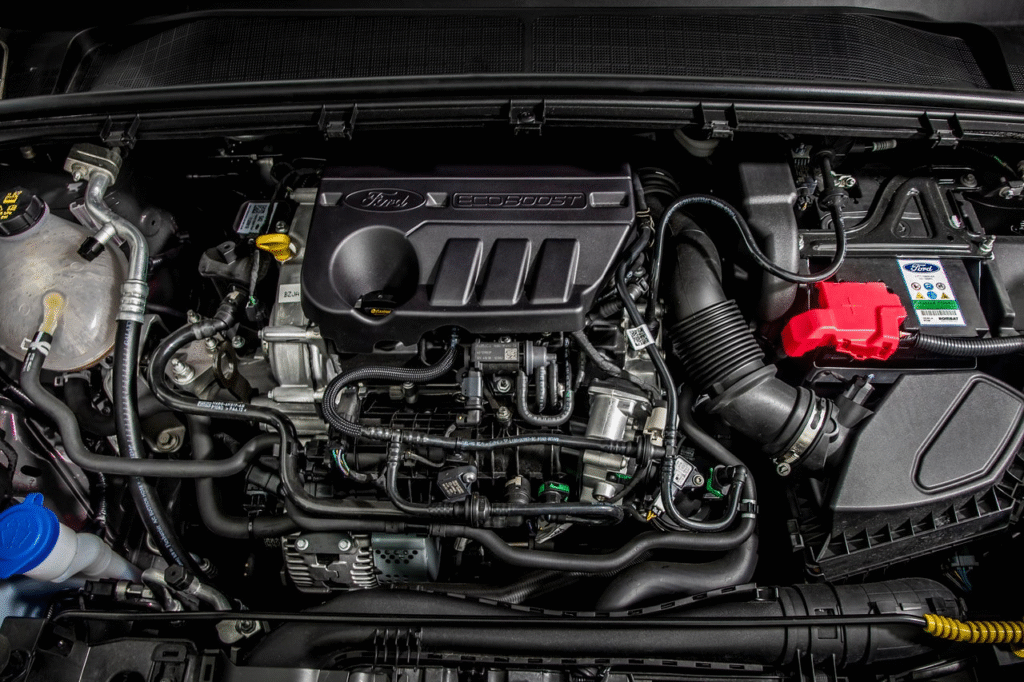
Recommended Oil: Castrol EDGE High Mileage 5W-20 Advanced Full Synthetic Motor Oil (available on Amazon)
Capacity: 4.1L (4.3 US quarts) with filter
Weak Point: Internal timing belt (wet belt system)
Expert Advice: Regularly check the belt condition to prevent catastrophic engine damage. The wet belt design is prone to degradation if oil quality is compromised.
Oil Standard: WSS-M2C948-B
Change Interval: 15,000 km (9,300 miles) or 1 year
1.0 EcoBoost Hybrid 155 HP
Recommended Oil: Castrol EDGE High Mileage 5W-20 Advanced Full Synthetic Motor Oil (available on Amazon)
Capacity: 4.1L (4.3 US quarts)
Special Feature: Integration of mild hybrid system
Important Alert: Ensure the hybrid system is regularly maintained to optimize fuel consumption and battery performance.
Oil Standard: WSS-M2C948-B
Change Interval: 15,000 km (9,300 miles) or 1 year
Hybrid Considerations: The 48V mild hybrid system requires stable oil performance to support the integrated starter-generator (ISG) which operates frequently in stop-start conditions.
⛽ Diesel Engines: Which Oil for Your Ford Puma?
1.5 EcoBlue 120 HP
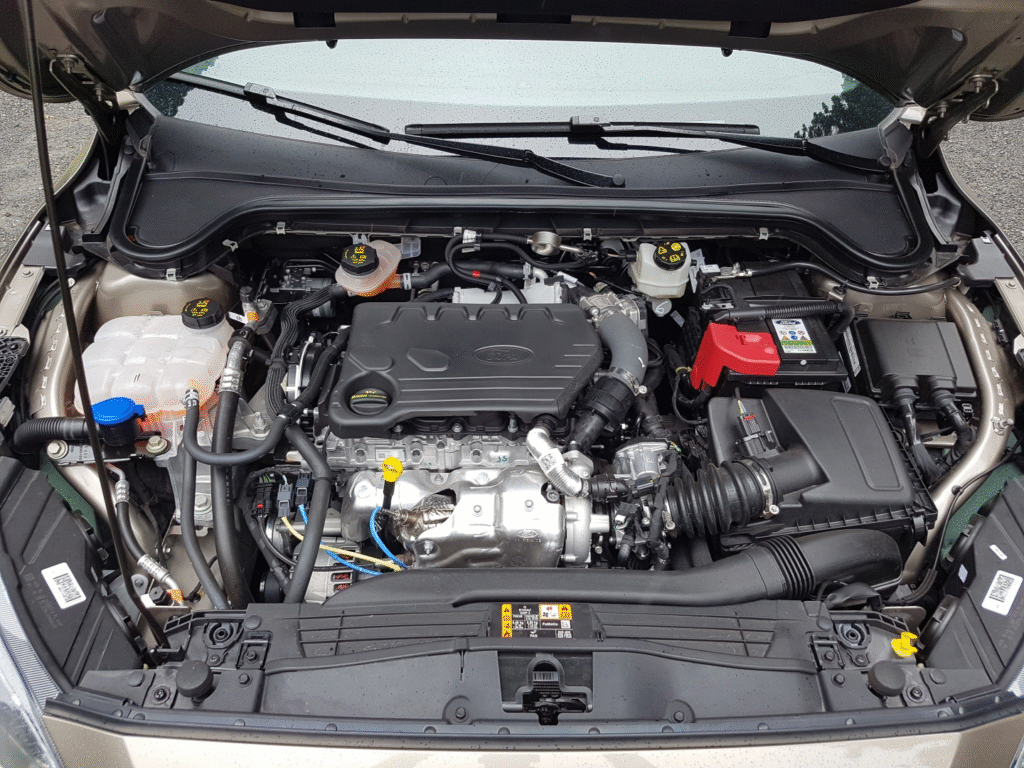
Recommended Oil: Castrol EDGE 5W-30 Advanced Full Synthetic Motor Oil (see on Amazon)
Capacity: 5.4L (5.7 US quarts)
DPF Requirements: The diesel particulate filter requires regular highway trips for proper regeneration.
Maintenance: DPF and EGR valve cleaning every 80,000 km (50,000 miles) to prevent blockages.
Oil Standard: WSS-M2C952-A1 (Low SAPS)
Change Interval: 20,000 km (12,400 miles) or 1 year
Important: Only use Low SAPS (Sulphated Ash, Phosphorus and Sulphur) oils to protect the DPF system.
Why Engine Oil Quality Matters for Your Ford Puma
Engine oil serves as the lifeblood of your Ford Puma, performing multiple critical functions that directly impact your vehicle’s longevity and performance. Beyond simple lubrication, quality engine oil creates a protective barrier between moving metal components, preventing direct contact that would otherwise lead to rapid wear and catastrophic failure. The oil also acts as a heat transfer medium, carrying away the intense temperatures generated by combustion and friction, particularly important in the turbocharged EcoBoost engines where temperatures can spike dramatically under load.
Modern Ford engines, especially the sophisticated EcoBoost range found in the Puma, operate under increasingly demanding conditions with tighter tolerances and higher specific outputs than engines of previous generations. This means the oil must work harder than ever before, maintaining its protective properties across a wider range of temperatures and pressures while simultaneously keeping the engine clean by suspending contaminants and combustion byproducts until they can be filtered out.
The Ford Puma’s advanced engineering also means that oil selection is no longer a matter of simply choosing the right viscosity. Ford’s specific WSS (Worldwide Service Standards) specifications represent years of testing and development to ensure that oils meet the exact requirements of their engines. Using an oil that doesn’t meet these specifications, even if it seems similar, can lead to premature component wear, reduced fuel economy, and potentially void your warranty. This is particularly critical for the EcoBoost engines with their unique wet belt timing systems, where oil quality directly affects the lifespan of critical timing components.
Understanding Ford’s WSS Oil Specifications
Ford’s WSS-M2C948-B specification represents a carefully engineered balance designed specifically for their modern petrol engines, particularly the EcoBoost family. This specification mandates 5W-20 viscosity, which might seem counterintuitively thin to those familiar with older engines that typically used 5W-30 or 5W-40 oils. However, this lower viscosity is intentional and crucial for several reasons. The thinner oil flows more readily at startup, providing faster protection to critical components during cold starts when most engine wear occurs. It also reduces internal friction, which translates directly to improved fuel economy and lower emissions, helping Ford meet increasingly stringent environmental regulations while maintaining performance.
The WSS-M2C948-B specification goes far beyond just viscosity, however. It includes specific requirements for additive packages that protect turbocharged engines operating at high pressures and temperatures, formulations that maintain stability across extended drain intervals, and importantly, compatibility with the wet belt timing system unique to Ford’s three-cylinder EcoBoost engines. This wet belt design runs submerged in engine oil rather than being external, which means the oil must not degrade the belt material while simultaneously providing adequate lubrication to this critical component.
For the diesel EcoBlue engine, Ford specifies WSS-M2C952-A1, which represents a fundamentally different set of requirements. This Low SAPS (Sulphated Ash, Phosphorus and Sulphur) formulation is essential for protecting the diesel particulate filter that’s integral to modern diesel emissions systems. Traditional oils contain higher levels of these elements, which can accumulate in the DPF and eventually cause blockages that require expensive replacement or professional cleaning. The 5W-30 viscosity specified for diesel engines provides the necessary protection while ensuring adequate flow for the high-pressure fuel injection system and turbocharger that characterize modern diesel powertrains.
The Critical Importance of the EcoBoost Wet Belt System
The Ford 1.0 EcoBoost engine employs a revolutionary timing system that sets it apart from conventional engine designs, and understanding this system is crucial for proper maintenance. Unlike traditional engines that use external timing chains or belts running dry, the EcoBoost utilizes a wet belt system where the timing belt operates fully submerged in engine oil. This innovative design allows Ford to create a more compact engine package with reduced noise levels and eliminates the need for external belt maintenance access points. However, this engineering advancement comes with specific maintenance requirements that owners must understand and respect.
The wet belt’s immersion in engine oil means that the belt material must be compatible with oil chemistry while the oil itself must not degrade the belt. This creates a delicate balance that makes oil quality absolutely critical. When the correct WSS-M2C948-B specification oil is used and changed at appropriate intervals, the wet belt system can provide reliable service for well over 150,000 kilometers. However, using incorrect oil or extending service intervals can lead to belt degradation, where the rubber compound begins to break down and shed material into the oil. This degradation process accelerates rapidly once it begins, potentially leading to complete belt failure and catastrophic engine damage requiring replacement rather than repair.
Warning signs of wet belt problems often manifest subtly at first. Owners might notice an unusual whining or rattling noise from the engine, particularly noticeable at idle or during cold starts. The engine may develop a rough idle or experience occasional misfires as the timing becomes erratic. In some cases, metal fragments from the belt reinforcement or rubber particles may be visible when checking the oil. If any of these symptoms appear, immediate inspection by a qualified technician is essential, as continuing to drive with a degrading wet belt risks sudden failure that could occur without warning, potentially leaving you stranded and facing a repair bill of several thousand pounds or dollars.
The relationship between oil quality and wet belt longevity cannot be overstated. Ford’s extensive testing has shown that engines maintained with approved oils at correct intervals typically see their wet belts last the entire useful life of the engine. Conversely, engines where owners have economized by using cheaper, non-approved oils or extended service intervals beyond recommendations have experienced wet belt failures at mileages as low as 50,000 to 80,000 kilometers. The cost difference between approved and non-approved oils is minimal, typically just a few pounds or dollars per oil change, making the use of correct oil one of the most cost-effective preventive measures available to Puma owners.
Maintaining the Ford Puma Hybrid System
The mild hybrid variant of the Ford Puma introduces additional complexity that requires understanding for proper maintenance. This 48-volt system integrates a belt-driven starter-generator unit that functions as both a starter motor and generator, recovering energy during deceleration and providing additional torque assist during acceleration. The system’s operation places unique demands on engine oil, as the frequent stop-start cycles characteristic of hybrid driving create more thermal stress and oxidation than conventional driving patterns. This makes adherence to Ford’s oil specifications even more critical for hybrid models.
The integrated starter-generator relies on the engine’s oil system for cooling, as it operates at higher duty cycles than traditional alternators. During urban driving with frequent stops, this component can heat up significantly, and the engine oil plays a crucial role in managing these temperatures. Additionally, the hybrid system’s ability to shut down the engine at every stop means that oil is constantly being called upon to provide immediate lubrication at restart, often without the benefit of being fully warmed to optimal operating temperature. This stop-start operation is precisely why Ford specifies oils with enhanced flow characteristics and additive packages designed to protect against wear during these critical moments.
The 48-volt battery system that powers the hybrid components also requires monitoring, though it’s largely maintenance-free under normal circumstances. The battery management system ensures optimal charging and discharging cycles, but extreme temperatures can affect performance and longevity. Owners should be attentive to any warning lights related to the hybrid system and ensure that the vehicle’s software is kept updated, as Ford occasionally releases updates that optimize hybrid system operation. While the hybrid components themselves don’t require regular service, their presence amplifies the importance of maintaining the engine according to specification, as any engine problems can affect the integrated hybrid system’s ability to function correctly.
🔧 Complete Oil Change Guide
Required Tools:
- Oil filter wrench
- New oil filter
- New drain plug washer
- 17mm socket (drain plug)
- Oil drain pan (minimum 6L capacity)
- Funnel
- Torque wrench (recommended)
Step-by-Step Procedure:
- Warm the engine (5-10 minutes at idle to thin oil)
- Safely lift vehicle and secure on jack stands
- Locate drain plug under oil pan
- Remove drain plug and drain completely (15-20 minutes)
- Replace oil filter:
- Remove old filter (may need filter wrench)
- Clean filter mounting surface
- Apply thin layer of new oil to filter gasket
- Install new filter hand-tight plus 3/4 turn
- Install new drain plug washer and torque to 25 Nm
- Lower vehicle
- Fill with new oil (use exact quantity from table)
- Start engine and check for leaks
- Check oil level after 5 minutes
- Reset service indicator via dashboard menu
Torque Specifications:
- Drain plug: 25 Nm (18 lb-ft)
- Oil filter: Hand-tight plus 3/4 turn
Ford Puma Maintenance Schedule
Maintaining your Ford Puma according to a regular schedule ensures optimal performance and longevity. For petrol EcoBoost engines, oil and filter changes should occur every fifteen thousand kilometers or annually, whichever comes first. During these services, technicians should also inspect the air filter and check spark plug condition. At thirty thousand kilometers, the air filter and cabin filter warrant replacement, while the cooling system deserves inspection. By sixty thousand kilometers, spark plugs typically require replacement on petrol engines, and this major service interval provides an excellent opportunity for a comprehensive vehicle inspection including the critical timing belt check for EcoBoost engines.
Diesel EcoBlue models follow a slightly extended schedule with oil changes recommended every twenty thousand kilometers or annually. The DPF status should be checked at each service, along with the EGR valve for signs of carbon accumulation. By eighty thousand kilometers, professional EGR cleaning becomes advisable for most diesel Pumas, particularly those used primarily in urban environments. Throughout ownership, diesel owners should remain attentive to DPF regeneration cycles and ensure regular highway driving to facilitate this process.
Between scheduled services, owners should check oil levels every five thousand kilometers, or approximately monthly for average drivers. This simple check takes just minutes but can prevent costly damage by catching consumption issues early. Hybrid models benefit from slightly more frequent oil level checks given the additional stress that stop-start cycles place on lubrication systems. Regardless of engine type, any unusual noises, warning lights, or changes in performance warrant immediate investigation rather than waiting for the next scheduled service interval.
Adapting Maintenance to Your Driving Conditions
The Ford Puma’s versatility means it serves owners in vastly different driving conditions, and understanding how your specific usage pattern affects maintenance requirements can significantly impact your vehicle’s longevity. Climate plays a substantial role in oil performance, though Ford’s specified viscosities are designed to handle a wide range of temperatures. The 5W-20 specification for petrol engines excels in cold weather, providing rapid flow and protection during winter starts when ambient temperatures drop below freezing. Even in extreme cold conditions reaching minus twenty degrees Celsius or below, this viscosity ensures that oil reaches critical components within seconds of startup. In hot climates where temperatures regularly exceed thirty-five degrees Celsius, the same 5W-20 oil continues to provide adequate protection, though owners in these regions should be particularly vigilant about checking oil levels as higher temperatures can accelerate consumption.
Driving style dramatically influences how often you should service your Puma and how closely you should monitor oil condition. Urban driving with frequent short trips represents the most demanding scenario for engine oil. The engine rarely reaches optimal operating temperature during these journeys, meaning that moisture and fuel contaminants don’t fully evaporate from the oil. This contamination accumulates over time, degrading the oil’s protective properties more rapidly than highway driving would. Owners who primarily drive in cities should consider reducing the standard service interval by about twenty percent, changing oil around twelve thousand kilometers rather than the full fifteen thousand for petrol engines. Additionally, diesel Puma owners who rarely venture onto highways will find their DPF requires more frequent attention, as particulate filter regeneration occurs most effectively during sustained higher-speed driving.
Highway driving, conversely, represents near-ideal conditions for your Puma’s engine and lubrication system. The sustained operation at consistent temperatures allows the oil to work at peak efficiency while combustion byproducts are more completely eliminated. Owners whose driving consists primarily of longer motorway journeys can confidently adhere to Ford’s standard service intervals, knowing that their oil is experiencing less stress than in stop-and-go traffic. However, even highway drivers should perform regular oil level checks, as all engines consume some oil during normal operation, particularly turbocharged variants like the EcoBoost. Sporty driving enthusiasts who enjoy the Puma’s responsive handling and turbocharged performance should be especially attentive to oil condition, as high-performance driving generates additional heat and stress. These owners might consider slightly more frequent oil changes and should definitely check levels more regularly, as enthusiastic acceleration and sustained high-speed driving increase oil consumption noticeably.
Common Issues and Preventive Measures
The 1.0 EcoBoost engine, while generally reliable and efficient, does present certain characteristic issues that owners should understand. Oil consumption is among the most commonly reported concerns, with some engines consuming up to half a liter per thousand kilometers, particularly after the vehicle has accumulated significant mileage. This consumption can stem from various sources including turbocharger seal wear, positive crankcase ventilation valve degradation, or in some cases, piston ring wear. While moderate oil consumption within this range is considered acceptable by Ford, owners should establish their engine’s normal consumption pattern through regular checks and investigate if consumption suddenly increases. Addressing turbocharger seal issues promptly prevents oil from entering the intake system, while PCV valve replacement is a relatively inexpensive preventive measure that can significantly reduce consumption.
The wet belt timing system, as previously discussed, represents the most critical maintenance concern for EcoBoost owners. Beyond using correct oil specifications, owners can take additional preventive measures to maximize belt life. Avoiding patterns of very short trips where the engine never fully warms helps prevent moisture accumulation in the oil that can degrade the belt material. When possible, combining errands into longer journeys allows the engine to reach and maintain optimal operating temperature. Rough idle or unusual engine noises should never be ignored, as these can be early warning signs of belt degradation. Some owners report success with slightly more frequent oil changes, perhaps at twelve thousand rather than fifteen thousand kilometers, as a belt longevity insurance policy, though this exceeds Ford’s requirements.
Diesel EcoBlue owners face a different set of challenges, primarily centered around the diesel particulate filter system. The DPF captures soot particles from combustion, periodically burning them off during regeneration cycles that occur automatically when driving conditions permit. However, vehicles used predominantly for short urban trips may not achieve the sustained high temperatures necessary for effective regeneration, leading to DPF clogging over time. Symptoms of DPF issues include reduced power, increased fuel consumption, and eventually warning lights on the dashboard. Prevention is far preferable to cure, as DPF replacement or professional cleaning involves significant expense. Diesel Puma owners should ensure they undertake regular journeys of at least twenty to thirty minutes at highway speeds, allowing the DPF to regenerate properly. Additionally, the AdBlue system, which further reduces diesel emissions, requires monitoring to ensure the tank doesn’t run dry, as this will prevent the vehicle from starting once the level drops too low.
The EGR valve on diesel models represents another common maintenance item, as it recirculates exhaust gases to reduce nitrogen oxide emissions. Over time, carbon deposits from combustion can accumulate in the EGR valve and its passages, potentially causing rough running or power loss. While EGR cleaning isn’t typically required until around eighty thousand kilometers, diesel owners who primarily drive in urban conditions might need this service sooner. Using quality diesel fuel and ensuring the engine reaches operating temperature regularly helps minimize deposit formation. For hybrid models, the electrical systems generally prove reliable, though battery degradation can occur over time, particularly if the vehicle is subjected to extreme temperatures or left unused for extended periods. Hybrid-specific warning lights should receive immediate attention, as the integrated nature of these systems means that minor issues can cascade if neglected.
Selecting Quality Components for Oil Changes
When performing oil changes on your Ford Puma, component quality matters significantly. The oil filter plays a crucial role in removing contaminants from circulating oil, and while aftermarket filters can offer good value, ensuring they meet Ford’s specifications is essential. Purflux L398A filters for petrol engines and L398 for diesel variants represent quality alternatives to original Ford parts, as do filters from established manufacturers like Mann and Bosch. The modest price difference between quality filters and budget options pales in comparison to the potential cost of engine damage from a failed filter or one that doesn’t provide adequate filtration.
The drain plug washer, though seemingly insignificant, deserves replacement at every oil change. This small copper or aluminum washer costs mere pennies but ensures a proper seal at the drain plug. Reusing old washers often results in slow oil seeps that can leave unsightly stains on driveways and potentially lead to low oil levels if unnoticed. Similarly, when filling with new oil, taking time to pre-fill the oil filter before installation ensures that the engine doesn’t experience a brief moment of dry running at first startup after the change. These small details separate adequate maintenance from excellent maintenance and contribute meaningfully to engine longevity.
✅ Conclusion
The Ford Puma represents modern automotive engineering at its finest, combining efficiency, performance, and practicality in an attractive package. However, this sophisticated engineering demands equally sophisticated maintenance practices, with oil selection and service intervals standing as perhaps the most critical aspects of ownership. For petrol EcoBoost engines, the exclusive use of 5W-20 oil meeting Ford’s WSS-M2C948-B specification isn’t merely a recommendation but a requirement for ensuring the longevity of the unique wet belt timing system and maintaining optimal engine performance. Diesel EcoBlue owners must similarly adhere to the WSS-M2C952-A1 Low SAPS specification using 5W-30 oil to protect the diesel particulate filter that’s integral to the emissions system.
Understanding your Puma’s specific requirements and the reasoning behind Ford’s specifications empowers you to make informed maintenance decisions. The modest cost of using approved oils and maintaining proper service intervals represents genuine value when considered against the potential expense of wet belt failure, turbocharger damage, or DPF replacement. These aren’t theoretical concerns but real issues that have affected owners who economized on maintenance or used non-approved products. Conversely, Pumas maintained according to specification consistently deliver reliable service well into six-figure mileages.
Regular monitoring between services proves equally important to scheduled maintenance. Checking oil levels every few thousand kilometers takes mere minutes but can reveal developing issues before they become serious problems. For hybrid variants, remaining attentive to system warnings and ensuring software updates are applied maintains the integration between conventional and electric powertrains. The Ford Puma rewards conscientious ownership with years of enjoyable, trouble-free motoring, making proper oil maintenance one of the best investments any owner can make in their vehicle’s future.
(Sources: Ford Puma Owner’s Manual, Ford Technical Service Bulletins 2023-2024, WSS Specifications)
Looking for oil recommendations for other Ford models? Browse our complete Ford maintenance guide collection.