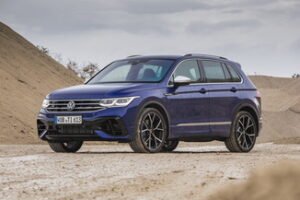
Best Engine Oil for VW Tiguan Mk2 2.0 TDI 115/150/190 HP
The Volkswagen Tiguan Mk2 with the 2.0 TDI EA288 diesel (2016-present) delivers robust torque (280-400 Nm), impressive fuel economy (4.5-5.7 L/100 km), and substantial towing capability (up to 2,500 kg) across three power outputs: 115 HP (entry-level), 150 HP (mainstream), and 190 HP (performance). Understanding correct VW 507 00 oil specification for DPF longevity, managing diesel maintenance including EGR cleaning (80,000-120,000 km) and timing belt service (210,000 km), and recognizing robust EA288 architecture advantages versus problematic predecessor EA189 enables owners to maximize reliable high-mileage operation this proven diesel delivers with appropriate 5W-30 oil at proper intervals.
Quick Answer: Recommended Oil
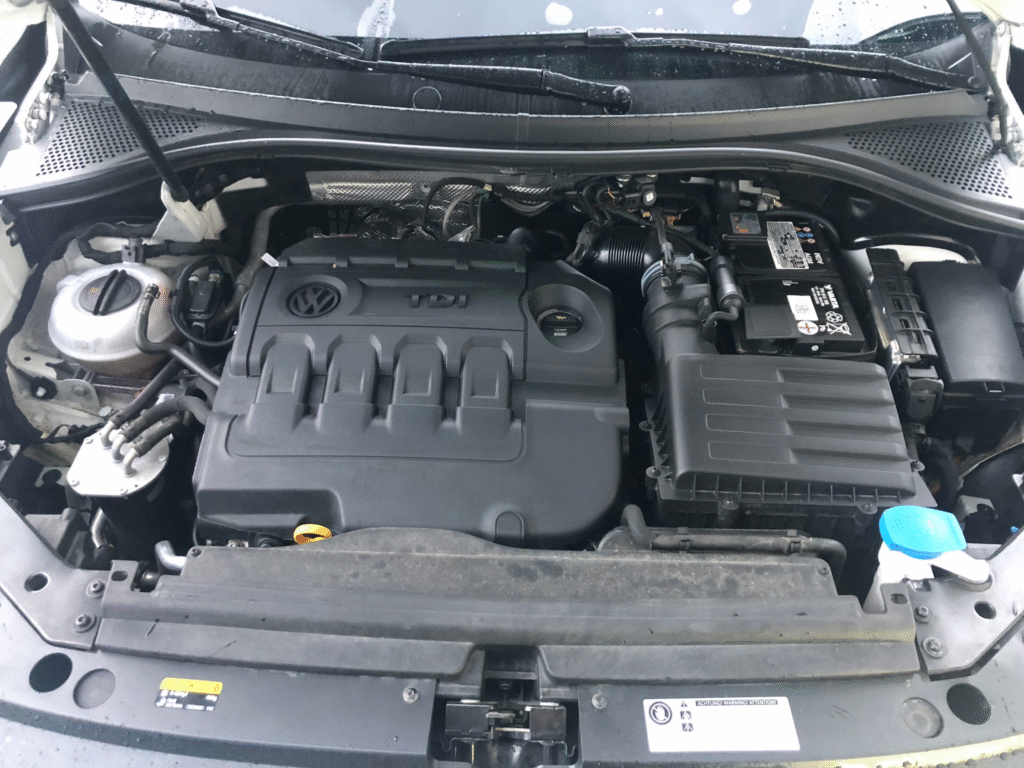
For Tiguan Mk2 2.0 TDI (all variants):
- Viscosity: SAE 5W-30
- VW specification: 507 00 (essential for DPF)
- ACEA: C3 (low-SAPS diesel)
- Capacity: 4.7 liters with filter
- Recommended oils:
Diesel Maintenance: EA288 diesel emphasizes routine emissions maintenance over emergency interventions. VW 507 00 oil at 12,000-15,000 km, timing belt 210,000 km, EGR cleaning 80,000-120,000 km, fuel injectors 120,000-150,000 km, quality diesel fuel, weekly motorway driving (20+ km for DPF regeneration) enable 200,000-300,000+ km service life—substantially exceeding earlier EA189 reliability.
Technical Specifications by Power Output
2.0 TDI 115 HP (85 kW) – Code DFGA/DTSA:
Power 115 HP @ 2,800-4,200 RPM, torque 280 Nm @ 1,600-2,750 RPM, 0-100 km/h 11.2s, 182 km/h top speed, 5.1-5.7 L/100 km (133-150 g/km CO2). FWD only, 6-speed manual or 7-speed DSG. Weight 1,615-1,675 kg. Best fuel economy, adequate for unloaded operation, insufficient for frequent towing. Entry-level efficiency choice.
2.0 TDI 150 HP (110 kW) – Code DFGA/DFGC:
Power 150 HP @ 3,000-4,200 RPM, torque 340 Nm @ 1,750-3,000 RPM, 0-100 km/h 9.4s (FWD), 10.0s (AWD), 204 km/h top speed, 4.5-5.2 L/100 km (118-137 g/km CO2). Available FWD or 4Motion AWD, 6-speed manual or 7-speed DSG. Weight 1,640-1,770 kg (AWD heaviest). Mainstream workhorse, suitable for typical SUV use including moderate towing (2,200 kg braked). Most popular variant.
2.0 TDI 190 HP (140 kW) – Code DFHA/DKZA:
Power 190 HP @ 3,500-4,000 RPM, torque 400 Nm @ 1,900-3,300 RPM, 0-100 km/h 7.8s (AWD DSG), 215 km/h top speed, 5.0-5.5 L/100 km (131-145 g/km CO2). 4Motion AWD primarily, 7-speed DSG. Weight 1,745-1,800 kg. Performance-oriented diesel, maximum towing capability (2,500 kg braked), substantial torque for loaded acceleration. Premium choice.
Oil Requirements (All Variants):
Viscosity SAE 5W-30 only, VW 507 00 mandatory, capacity 4.7L standard, ACEA C3, intervals 12,000-15,000 km (shortened from VW’s flexible service regime for DPF protection).
All three variants share core EA288 architecture—cast-iron block, aluminum head, common-rail injection, VGT turbocharger, DPF + SCR (later models) emissions control, timing belt drive. Power differences achieved through turbocharger calibration and ECU mapping.
Oil Specification: VW 507 00
VW 507 00 represents Volkswagen’s low-SAPS diesel specification essential for DPF longevity, balancing robust diesel protection with emissions system compatibility.
ACEA C3 Rating: Low-SAPS formulation preventing DPF ash accumulation requiring expensive replacement (£800-1,200) or cleaning (£300-500). Critical for high-mileage diesel operation where DPF must survive 200,000+ km.
5W-30 Viscosity: Excellent cold-start protection, adequate high-temperature protection for turbocharging and towing, fuel economy contribution, optimal VGT turbocharger bearing protection.
DPF Protection: Low-SAPS content extends DPF life beyond 200,000 km. Quality VW 507 00 oil at 12,000-15,000 km intervals prevents premature ash buildup.
Capacity (4.7L): Adequate thermal capacity for sustained diesel operation including towing. Moderate contaminant dilution supports 12,000-15,000 km intervals.
Top Oil Recommendations
Best for DPF: Castrol Edge 5W-30 LL, VW 507 00 (see on Amazon)
VW 507 00 approved, specifically engineered for VW Group diesels with DPF. Proven protection for common-rail injection systems. Excellent DPF compatibility extending filter life. Widely available, reasonable pricing. Cost: £45-60/5L.
Best for Towing: Mobil 1 ESP Formula 5W-30 (see on Amazon)
Meets VW 507 00 with exceptional thermal stability for sustained high-load operation. Superior shear stability maintains viscosity during 15,000 km intervals. Robust turbocharger protection under sustained boost—particularly important for 190 HP variant and towing applications. Cost: £50-65/5L.
OEM Quality: Shell Helix Ultra Professional AF 5W-30
VW 507 00 approved offering proven DPF protection and reliable performance. Used in VW workshops globally. Adequate for typical SUV driving patterns across all power variants. Cost: £43-55/5L.
Value Quality: TotalEnergies Quartz Ineo FDE 0W-30 (see on Amazon)
ACEA C3 approved, VW 507 00 compliant. Solid performance for 12,000-15,000 km intervals. Good DPF protection at mid-range pricing. 0W-30 viscosity provides enhanced cold-start protection versus 5W-30. Cost: £38-48/5L.
Oil Change Intervals & Maintenance Schedule
VW Official: Flexible service regime (up to 30,000 km or 2 years)
Recommended Practice: 12,000-15,000 km or annually
Why Shortened Intervals? VW’s flexible service regime extends oil changes based on driving patterns monitored by vehicle computer. However, predominantly urban driving (common for SUVs), frequent DPF regeneration cycles, diesel fuel dilution, and soot accumulation justify conservative 12,000-15,000 km intervals ensuring optimal DPF protection and emissions system longevity.
Interval Guidelines:
- Primarily urban driving with DPF regeneration: 12,000 km
- Mixed urban/motorway: 12,000-13,000 km
- Predominantly motorway: 13,000-15,000 km
- Frequent towing or commercial use: 12,000 km
- Always annually regardless of mileage
Essential Diesel Maintenance
Timing Belt (210,000 km / 10 Years): Complete service includes timing belt, tensioner, water pump, auxiliary belt, coolant flush. Cost: £500-750. EA288 typically reaches manufacturer intervals without premature failure—substantially more reliable than EA189 timing chain issues.
DPF Management: Weekly motorway driving (20+ km at 80+ km/h) for passive regeneration. Quality VW 507 00 oil extends DPF life beyond 200,000 km. Service: cleaning £300-500, replacement £800-1,200.
EGR Valve (80,000-120,000 km): Carbon buildup common in urban use. Symptoms: rough idle, hesitation, black smoke. Cleaning £150-300, replacement £300-600.
Fuel Injectors (120,000-150,000 km): Require quality diesel + OEM filters every 10,000-12,000 km. Cleaning £200-400, complete replacement £800-1,200.
AdBlue System (SCR Models): Later models use SCR with AdBlue. Tank capacity ~13L, consumption ~1L per 1,000 km. Refill when warning appears (2,400 km range remaining).
115 HP vs 150 HP vs 190 HP: Choosing Your Variant
115 HP (280 Nm): Best fuel economy (5.1-5.7 L/100 km), adequate for unloaded operation, challenged by frequent towing or maximum loads, FWD only, entry-level pricing. Suitable for predominantly solo/couple use with occasional passengers. Not recommended for frequent family transport with luggage or towing.
150 HP (340 Nm): Mainstream choice offering balanced performance and economy (4.5-5.2 L/100 km). Available FWD or AWD. Adequate for moderate towing (2,200 kg), suitable for typical family SUV use. Most versatile variant across driving patterns.
190 HP (400 Nm): Performance-oriented with substantial torque enabling relaxed loaded operation. Best for frequent towing (2,500 kg capability), confident overtaking when loaded, sustained high-speed motorway cruising. Moderate economy penalty (5.0-5.5 L/100 km) versus 150 HP. AWD primarily—enhanced traction in demanding conditions.
Maintenance Perspective: All three variants share identical service requirements—same oil specification, same timing belt schedule, same EGR/DPF/injector maintenance. The 190 HP’s higher performance creates marginally higher thermal stress during sustained operation but remains within EA288 design parameters. Conservative 12,000-13,000 km oil intervals recommended for frequent towing regardless of variant.
Maximizing EA288 Diesel Longevity
Essential Maintenance: VW 507 00 oil at 12,000-15,000 km, timing belt service 210,000 km, EGR valve cleaning 80,000-120,000 km, fuel injector attention 120,000-150,000 km, quality diesel fuel exclusively, OEM fuel filters every 10,000-12,000 km, AdBlue system maintenance (SCR models).
DPF Best Practices: Weekly motorway driving (20+ km at 80+ km/h), avoid excessive urban idling, allow DPF regeneration cycles to complete (don’t interrupt by switching off engine during regeneration), quality VW 507 00 oil at proper intervals.
Long-Term Reliability: The EA288 2.0 TDI represents VW’s mature, proven diesel technology substantially improving upon problematic EA189 predecessors. Many taxi operators and high-mileage users report 200,000-300,000+ km operation with routine scheduled maintenance. The key: consistent comprehensive maintenance rather than reactive repairs, with particular attention to emissions system health (DPF, EGR, SCR) and quality diesel fuel + filters preventing injector damage.
Conclusion
The VW Tiguan Mk2 2.0 TDI (115/150/190 HP) requires VW 507 00 approved SAE 5W-30 oil meeting ACEA C3 specification with 4.7-liter capacity for optimal DPF protection and diesel engine longevity in demanding SUV applications.
Choose proven oils: Castrol Edge Professional LL (best DPF protection), Mobil 1 ESP Formula (superior for towing), Shell Helix Ultra Professional AF (OEM quality), or TotalEnergies Quartz Ineo FDE (value quality). Verify VW 507 00 approval.
The EA288 2.0 TDI achieves impressive longevity (200,000-300,000+ km) through comprehensive scheduled maintenance. Timing belt at 210,000 km, EGR cleaning 80,000-120,000 km, fuel injector attention 120,000-150,000 km, DPF management through weekly motorway driving, and quality VW 507 00 oil at 12,000-15,000 km intervals enable the reliable high-mileage diesel operation for which modern VW diesels are increasingly recognized—proving that the EA288 generation successfully addressed earlier EA189 reliability concerns through improved design, robust timing belt implementation, and comprehensive emissions system integration suited to contemporary diesel requirements and long-term durability expectations.