Best Engine Oil for Ford F-150 3.5L EcoBoost: Complete Guide
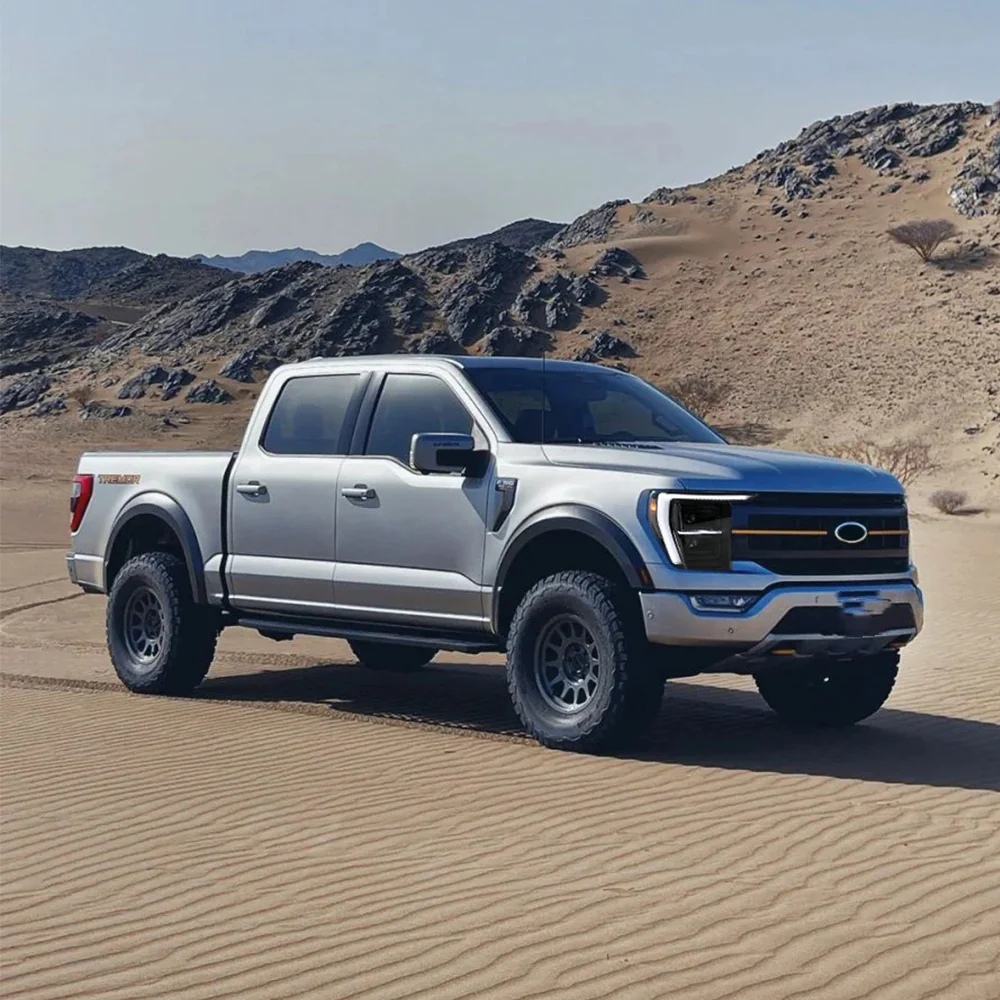
The Ford 3.5L EcoBoost V6 is arguably the most important engine in America. Since its introduction in 2011, it has powered the best-selling vehicle in the United States—the Ford F-150—and has become the engine of choice for approximately 40% of F-150 buyers. This twin-turbocharged powerhouse delivers V8-level performance with V6 fuel economy, producing 365-450 horsepower depending on the generation.
However, this sophisticated engine has specific oil requirements that are absolutely critical to its longevity. Between timing chain issues, cam phaser failures, carbon buildup, and turbocharger demands, using the correct oil and maintaining proper change intervals can mean the difference between a truck that lasts 200,000+ miles and one that needs a $7,000-12,000 engine replacement at 100,000 miles.
This comprehensive guide will help you choose the right oil for your 3.5L EcoBoost, understand the engine’s common problems, and implement a maintenance strategy that maximizes its lifespan.
Understanding the Ford 3.5L EcoBoost Generations
Ford has produced three distinct generations of the 3.5L EcoBoost, each with improvements addressing problems from the previous version:
Generation 1 (2011-2016)
Applications: 2011-2014 F-150, 2010-2019 Taurus SHO, 2010-2019 Flex, 2013-2019 Police Interceptor
Power: 365 HP / 420 lb-ft (F-150), 355-365 HP (other applications)
Oil Specification: WSS-M2C929-A
Oil Capacity: 6.0 quarts with filter
Key Characteristics:
- Single primary timing chain system
- Direct injection only (no port injection)
- Known for timing chain stretch and carbon buildup issues
- Most problematic generation requiring more frequent maintenance
Generation 2 (2017-2020)
Applications: 2017-2020 F-150, 2017-2020 Raptor, 2018-2020 Expedition/Navigator
Power: 375 HP / 470 lb-ft (F-150), 450 HP / 510 lb-ft (Raptor)
Oil Specification: WSS-M2C946-A or WSS-M2C946-B1
Oil Capacity: 6.0 quarts with filter
Key Improvements:
- Dual primary timing chain system (eliminates timing chain stretch)
- Added port injection alongside direct injection (reduces carbon buildup)
- New Borg Warner turbochargers with electric wastegates
- Improved cam phasers (but introduced new rattle issues)
Generation 3 (2021-Present)
Applications: 2021+ F-150, 2021+ Raptor, 2022+ Expedition/Navigator
Power: 400 HP / 500 lb-ft (F-150), 450 HP / 510 lb-ft (Raptor)
Oil Specification: WSS-M2C961-A1 (API SP, ILSAC GF-6A)
Oil Capacity: 6.0 quarts with filter
Further Refinements:
- Updated cam phasers addressing Gen 2 rattle problems
- Improved oil passages for better lubrication
- Enhanced cooling systems
- Most reliable generation to date
Official Ford Oil Specifications
Ford specifies different oil grades depending on your 3.5L EcoBoost generation:
For 2011-2016 (Gen 1):
- Primary: SAE 5W-30 meeting WSS-M2C929-A
- Cold Climate Alternative: SAE 0W-30 meeting WSS-M2C929-A (below -22°F)
- Capacity: 6.0 quarts (5.7 liters) with filter
For 2017-2020 (Gen 2):
- Primary: SAE 5W-30 meeting WSS-M2C946-A or WSS-M2C946-B1
- Alternative: SAE 5W-30 meeting WSS-M2C953-A1
- Cold Climate Alternative: SAE 0W-30 meeting WSS-M2C953-A1
- Capacity: 6.0 quarts (5.7 liters) with filter
For 2021+ (Gen 3):
- Primary: SAE 5W-30 meeting WSS-M2C961-A1 (API SP, ILSAC GF-6A)
- Cold Climate Alternative: SAE 0W-30 meeting applicable specifications
- Capacity: 6.0 quarts (5.7 liters) with filter
CRITICAL: The 3.5L EcoBoost requires 5W-30 oil, NOT 5W-20 like some other Ford engines. Using 5W-20 will reduce protection and may void your warranty.
Common Problems with the 3.5L EcoBoost Engine
Understanding the engine’s weak points explains why oil selection and maintenance intervals matter so much:
1. Timing Chain Stretch (Gen 1 Only – 2011-2016)
The Problem: First-generation engines use a single-chain design that routes one primary chain around both camshafts, creating excessive working angle causing accelerated wear. Each individual link wears slightly, increasing overall chain length.
Symptoms: Check engine light (P0016-P0018), cold start rattling, power loss, rough idle, potential engine failure if chain jumps timing
Why Oil Matters: Fresh, high-quality 5W-30 ensures timing chain guides and tensioners receive adequate lubrication. Degraded oil accelerates chain wear dramatically.
Cost: $2,000-4,000 for replacement
Note: Fixed in Gen 2 (2017+) with dual chain system
2. Cam Phaser Failure (Gen 2 Primarily – 2017-2020)
The Problem: While Gen 2 fixed timing chains, new cam phaser locking mechanism failures cause excessive rattling, especially on cold starts when oil pressure builds.
Symptoms: Loud startup rattle (disappears when warm), rattling during acceleration, check engine codes P0011, P0012, P0014, P0015
Ford Recalls: 21B10 (ECU programming), 21N08 (revert if shudder), 21N03 (phaser replacement warranty—expired Jan 1, 2023)
Why Oil Matters: Cam phasers operate entirely on oil pressure. Low pressure, contaminated oil, or incorrect viscosity (like using 5W-20 instead of 5W-30) prevents proper operation.
Cost: $2,500-3,500 for all four phasers
Prevention: Regular 5W-30 oil changes, never extend intervals
3. Carbon Buildup on Intake Valves (Gen 1 Primarily)
The Problem: Direct injection bypasses intake valves, so fuel never washes them clean. Oil vapors from PCV accumulate and bake into hard carbon deposits.
Symptoms: Rough idle, misfires, hesitation, power loss, poor MPG (noticeable after 60K-100K miles)
Gen 2/3 Improvement: Added port injection (2017+) operates during idle/low loads, keeping valves cleaner. Still accumulates carbon during high-load driving, just slower (cleaning needed at 150K-200K vs. 60K-100K).
Why Oil Matters: High-quality synthetic reduces crankcase vapor contamination reaching valves.
Cost: $600-1,200 for walnut blasting
Prevention: Top-tier gas, quality synthetic oil, oil catch can, periodic intake cleaners
4. Turbocharger Issues
The Problem: Twin turbos operate at extreme temperatures (1,000°F+) and speeds (200,000 RPM), heavily dependent on oil for lubrication and cooling.
Symptoms: Whining/grinding noise, boost loss, blue smoke, high oil consumption, boost codes
Why Oil Matters: Turbos need clean 5W-30 that flows quickly on cold starts but maintains film strength at high temps. Degraded oil forms sludge blocking tiny turbo passages.
Cost: $1,200-2,500 per turbo
Prevention: 30-second cooldown after hard driving, proper oil levels, quality synthetic, 5K-mile changes
5. Oil Pan Leaks & Oil Consumption
Early F-150s with plastic oil pans suffer RTV sealant failure ($300-600 repair). High-mileage engines may consume 1 quart per 1,000-2,000 miles—check oil level weekly on 100K+ mile engines.
Best Engine Oils for Ford F-150 3.5L EcoBoost
Based on Ford specifications, real-world performance, and the engine’s specific problems, here are the top oil choices:
Top Tier Choices (Official Ford Specification)
1. Motorcraft SAE 5W-30 Synthetic Blend
- Meets WSS-M2C946-A (Gen 2/3) and WSS-M2C929-A (Gen 1)
- Ford’s official oil, guaranteed warranty protection
- Synthetic blend formulation
- Excellent price-to-performance ratio
- Approximate price: $25-30 per 5 quarts
2. Pennzoil Platinum Full Synthetic 5W-30
- Meets WSS-M2C946-A and WSS-M2C929-A
- Made from natural gas (PurePlus technology)
- Excellent cleanliness and deposit control
- Strong performance in turbo protection
- Approximate price: $25-35 per 5 quarts
3. Mobil 1 5W-30 (Multiple Variants)
- Mobil 1 5W-30: Meets WSS-M2C929-A (Gen 1)
- Mobil 1 Truck & SUV 5W-30: Optimized for pickups
- Mobil 1 Extended Performance 5W-30: 15,000-mile capability
- All meet Ford specifications
- Proven track record with EcoBoost engines
- Approximate price: $28-40 per 5 quarts
4. Valvoline Advanced Full Synthetic 5W-30
- Meets WSS-M2C946-A and applicable Ford specs
- Superior anti-wear protection
- Good thermal stability for turbos
- Widely available
- Approximate price: $23-32 per 5 quarts
5. Castrol Edge 5W-30
- Meets Ford WSS-M2C946-A
- Fluid Titanium technology for film strength
- Popular choice among enthusiasts
- Good turbo protection
- Approximate price: $26-35 per 5 quarts
Premium Choices (Maximum Protection)
6. Amsoil Signature Series 5W-30
- Exceeds all Ford specifications
- Extended drain capability (15,000-25,000 miles with analysis)
- Excellent for towing and severe duty
- Superior turbo protection
- Approximate price: $45-60 per 5 quarts
7. Royal Purple HPS 5W-30
- High-performance synthetic
- Excellent for modified/tuned engines
- Superior film strength
- Good for racing/track use
- Approximate price: $35-50 per 5 quarts
8. Liqui Moly Leichtlauf High Tech 5W-30
- German engineering, premium quality
- Excellent cold-flow characteristics
- Strong anti-wear protection
- Popular in European markets
- Approximate price: $40-55 per 5 quarts
Budget-Friendly Options (Still Meeting Spec)
9. Valvoline Daily Protection 5W-30
- Meets Ford specifications
- Conventional formulation
- Good for normal driving conditions
- Shorter drain intervals recommended (5,000 miles)
- Approximate price: $18-25 per 5 quarts
10. Pennzoil Conventional 5W-30
- Meets WSS-M2C929-A
- Acceptable for Gen 1 engines
- Budget-conscious choice
- Change every 5,000 miles maximum
- Approximate price: $15-22 per 5 quarts
The 5W-30 vs. 5W-20 Debate
Some owners wonder if they can use 5W-20 (common in other Ford engines) instead of the specified 5W-30. The answer is NO.
Why 5W-30 is Required:
Turbocharger Protection: The thicker 30-weight hot viscosity maintains better film strength at the extreme temperatures in turbo bearings.
Timing Component Protection: Cam phasers and timing chains require the specific oil pressure that 5W-30 provides. Thinner 5W-20 can cause insufficient oil pressure.
Warranty: Using 5W-20 instead of specified 5W-30 can void warranty claims on timing, phaser, or turbo failures.
Direct from Ford: Ford explicitly specifies 5W-30 for the 3.5L EcoBoost in all official documentation.
The Only Exception: Ford approves 0W-30 for extreme cold climates (below -22°F), but this still maintains the “30” hot viscosity.
Recommended Oil Change Intervals
Ford’s official recommendation is 10,000 miles or 12 months for normal driving, or 7,500 miles for severe duty. However, based on real-world experience with 3.5L EcoBoost problems, we recommend more conservative intervals:
Ideal Interval: 5,000 miles
This interval is recommended because:
- Prevents timing chain and cam phaser wear from degraded oil
- Removes contaminants before they can damage turbos
- Minimizes carbon buildup from oil vapor contamination
- Provides maximum protection for $200-250K+ lifespan
- Total cost difference vs. 10K intervals: ~$100/year (cheap insurance against $5K+ repairs)
Acceptable Interval: 7,500 miles
Use this interval if you:
- Drive mostly highway miles
- Don’t tow or haul heavy loads
- Use top-tier full synthetic oil
- Monitor oil level and condition regularly
Required 3,750-5,000 Mile Interval:
Reduce intervals significantly if you:
- Tow trailers or haul heavy loads regularly
- Drive in dusty or dirty conditions
- Take mostly short trips (under 10 miles)
- Idle extensively
- Drive in extreme temperatures (below 0°F or above 100°F regularly)
- Have Gen 1 engine with over 100,000 miles
- Notice any oil consumption
Extended Intervals (Not Recommended):
While some premium synthetics claim 15,000-mile capability, we do NOT recommend this for the 3.5L EcoBoost due to its timing chain and turbo sensitivity to oil condition.
Synthetic vs. Conventional Oil
For the 3.5L EcoBoost, full synthetic oil is strongly recommended:
Why Synthetic is Better:
- Turbo Protection: Synthetic resists thermal breakdown at extreme turbo temperatures far better than conventional
- Cold Start Protection: Flows better at startup, protecting timing components faster
- Longer Service Life: Maintains properties longer, though we still recommend 5K changes
- Better Detergency: Keeps engine cleaner, reducing carbon deposits
- Shear Stability: Maintains viscosity better under stress
Motorcraft Synthetic Blend: Ford’s official Motorcraft oil is actually a synthetic blend, not full synthetic. It meets all specifications and works well, but full synthetic provides extra protection margin.
Bottom Line: Given the cost of timing chain, cam phaser, or turbo repairs ($2,000-5,000+), spending an extra $10-15 per oil change for full synthetic is worthwhile insurance.
Oil for High-Mileage 3.5L EcoBoost (100,000+ Miles)
If your F-150 has exceeded 100,000 miles, consider these adjustments:
Stick with 5W-30: Do NOT switch to thicker oil like 5W-40 or 10W-40, even with some wear. The cam phasers require the specific viscosity of 5W-30 to function correctly.
Consider High-Mileage Formulations:
- Valvoline MaxLife 5W-30 (if it meets Ford specs—verify on bottle)
- Pennzoil High Mileage 5W-30 (verify Ford specification)
- These contain seal conditioners to reduce leaks
Shorten Intervals: Drop to 4,000-5,000 miles religiously
Monitor Oil Level Weekly: High-mileage engines may consume oil; check weekly
Watch for Leaks: Inspect for oil pan, front cover, and valve cover leaks
Consider Oil Analysis: Send samples to Blackstone Labs every few changes to monitor wear metals and combustion byproducts
Frequently Asked Questions
Can I use 0W-20 or 5W-20 instead of 5W-30?
No. The 3.5L EcoBoost specifically requires 5W-30. Using thinner oil can cause cam phaser malfunctions, insufficient turbo protection, and may void your warranty.
What about 0W-30 for better cold starts?
Yes, Ford approves 0W-30 for extreme cold climates (below -22°F). It provides the same hot viscosity (30-weight) with better cold flow.
Can I use European 5W-30 oils (ACEA A3/B4 or C3)?
Only if they specifically list Ford WSS-M2C946-A or WSS-M2C929-A approval. European specs don’t automatically meet Ford requirements.
How do I know if my oil meets Ford specifications?
Check the back label—it should explicitly state “Meets Ford WSS-M2C946-A” or similar. Don’t rely on “recommended for” or “suitable for” language.
Should I install an oil catch can?
For Gen 1 engines especially, a catch can reduces carbon buildup by preventing oil vapors from reaching intake valves. It’s a worthwhile $150-300 investment.
What if I’ve been using 10W-30 or 10W-40?
Switch back to 5W-30 immediately. Thicker oils can prevent proper cam phaser operation and cause timing codes.
Do I need to use Motorcraft oil to maintain warranty?
No. Any oil meeting the proper Ford WSS specification maintains warranty, as long as you keep receipts proving proper maintenance.
How often should I check my oil level?
Weekly for high-mileage engines (100K+), monthly for newer engines. The turbocharged design makes proper oil level critical.
Conclusion: Protecting Your 3.5L EcoBoost Investment
The Ford 3.5L EcoBoost is a remarkable engine that provides V8 power with V6 economy, but it demands respect when it comes to maintenance—particularly oil selection and change intervals. This isn’t a basic pushrod V8 that tolerates neglect; it’s a sophisticated twin-turbo engine with variable valve timing, direct injection, and precision timing components.
The non-negotiable rules:
- Always use 5W-30 oil meeting the correct Ford WSS specification for your generation
- Change oil every 5,000 miles regardless of what the manual says
- Use full synthetic oil for maximum protection
- Monitor oil level weekly on high-mileage engines
- Address any rattling noises immediately to prevent catastrophic failure
The payoff: Following these guidelines, your 3.5L EcoBoost can easily exceed 200,000 miles with proper care. Owners who maintain 5,000-mile oil change intervals with quality 5W-30 synthetic report trouble-free operation even on Gen 1 engines past 250,000 miles.
The total additional cost of following our recommendations versus Ford’s maximum intervals is approximately $100-150 per year. When compared to the $3,000-7,000 cost of timing chain replacement, $2,500-3,500 for cam phasers, or $2,000-5,000 for turbos, this preventive maintenance is the best investment you can make in your F-150.
Choose the right oil, change it on schedule, and your 3.5L EcoBoost will reward you with decades of reliable, powerful performance.