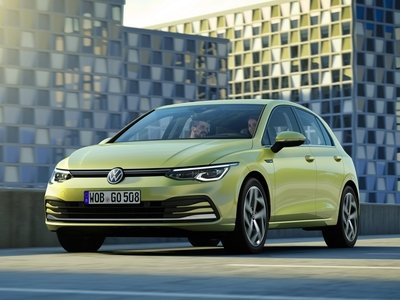
Best Engine Oil for VW Golf 7 1.4 TSI
The Volkswagen Golf 7 1.4 TSI represents one of the most successful applications of downsized turbocharged technology in the compact car segment. Launched in 2012 as part of the MQB platform revolution, this engine delivers 122 to 150 horsepower from just 1,395cc while achieving impressive fuel economy of 45-55 mpg. Understanding proper oil specifications for this modern powerplant proves essential for longevity, as the 1.4 TSI incorporates advanced technologies including direct injection and turbocharging that demand specific lubrication properties.
The 1.4 TSI EA211 Engine: Efficient Engineering
The 1.4 TSI debuted in the Golf 7 in 2012 as part of the EA211 engine family, replacing the problematic EA111 series. Developed at Volkswagen’s facilities, this engine proved that small displacement combined with turbocharging could deliver power comparable to larger naturally aspirated engines while dramatically reducing fuel consumption and CO2 emissions.
The engine features an all-aluminium block weighing just 106 kg, representing a significant reduction compared to its predecessor. At only 106 kg and featuring an integrated exhaust manifold within the cylinder head, the 1.4 TSI represents extraordinary packaging efficiency. The four-cylinder configuration with modern friction-reduction technologies contributes directly to fuel economy.
Key technologies include direct fuel injection for precise fuel delivery, a water-cooled turbocharger providing instant response, and split cooling allowing the cylinder head and block to reach optimal temperatures independently. Variable camshaft timing on both intake and exhaust sides optimises performance across the rev range.
The Timing Belt Advantage
Unlike its EA111 predecessor which used a troublesome timing chain prone to stretching, the EA211 1.4 TSI uses a modern timing belt system. This design change addressed one of the most significant reliability concerns of earlier TSI engines.
The timing belt system offers several advantages:
- Reduced noise: Belt operation is significantly quieter than chain systems
- Lower friction: Contributes to improved fuel economy
- Predictable maintenance: Clear replacement intervals versus unpredictable chain stretch
- Cost-effective service: Belt replacement is generally less expensive than chain work
However, the timing belt requires scheduled replacement at approximately 90,000-120,000 km or according to local service recommendations. Ignoring belt replacement can lead to catastrophic engine failure if the belt breaks.
Engine Oil Specifications for VW Golf 7 1.4 TSI
VW Golf 7 1.4 TSI (2012-2020)
Technical Specifications:
- Oil viscosity: SAE 5W-30 or 5W-40
- Oil capacity: 4.0-4.4 litres with filter change
- Required specification: VW 502 00 (fixed service) or VW 504 00 (LongLife)
- Alternative specification: ACEA A3/B4
- Power outputs: 122 HP (90 kW), 125 HP (92 kW), 140 HP (103 kW), or 150 HP (110 kW)
- Torque: 200-250 Nm depending on variant
- Fuel type: 95 RON unleaded minimum
- Compression ratio: 10.0:1
- Engine codes: CZCA, CZDA, CZEA, CHPA, CPTA, CMBA, CPVA, CXSA
- Configuration: Inline 4-cylinder, turbocharged
- Features: Direct injection, timing belt, variable valve timing, water-cooled turbo
- Recommended oils: Castrol Edge 5W-40, Mobil 1 0W-40, Liqui Moly 5W-40
Understanding VW 502 00 Specification
Volkswagen developed the VW 502 00 specification for gasoline engines requiring robust protection under demanding conditions. This specification goes beyond generic API or ACEA certifications:
Turbocharger protection: The formulation provides adequate film strength at the extreme temperatures and speeds experienced by turbocharger bearings operating at up to 150,000 RPM.
Direct injection compatibility: Special detergent packages help manage carbon deposits inherent to direct injection engines, though they cannot fully prevent buildup.
High-temperature stability: Maintains viscosity and protection during extended high-speed driving and hot weather operation.
Cold-start performance: The 5W rating ensures instant oil flow during cold starts, when most engine wear occurs.
VW 502 00 vs VW 504 00
Understanding the difference between these specifications is crucial:
VW 502 00: Designed for fixed service intervals (typically 15,000 km or annually). Compatible with most driving conditions and widely available.
VW 504 00: Designed for extended LongLife service intervals (up to 30,000 km). Lower SAPS (Sulphated Ash, Phosphorus, Sulphur) formulation suitable for vehicles with LongLife service activated.
If your Golf 7 is set to LongLife service, use VW 504 00 oil. If on fixed intervals, VW 502 00 is the appropriate choice. Using VW 504 00 oil in a fixed-interval vehicle is acceptable, but not the reverse.
Viscosity Considerations: 5W-30 vs 5W-40
Both viscosities are approved for the 1.4 TSI, but understanding when to use each matters:
5W-30 benefits:
- Slightly better fuel economy
- Faster cold-start oil circulation
- Ideal for predominantly urban driving
- Lower operating temperatures
5W-40 benefits:
- Enhanced protection at high temperatures
- Better suited for spirited driving
- Recommended for hot climates
- Preferred for motorway cruising
For most Golf 7 1.4 TSI owners, 5W-40 provides the best all-round protection, particularly given the turbocharged nature of the engine. However, 5W-30 is perfectly acceptable for normal driving conditions.
Common 1.4 TSI Problems and Oil-Related Prevention
While the EA211 1.4 TSI earned praise for addressing earlier reliability concerns, it has its own maintenance considerations:
Carbon Buildup on Intake Valves
Symptoms: Rough idle, hesitation, reduced power, poor fuel economy
Cause: Direct injection does not wash intake valves with fuel, allowing carbon accumulation
Prevention:
- Use quality 95+ RON fuel from major brands
- Occasional motorway driving at higher RPMs
- Consider intake cleaning every 60,000-80,000 km
- Use fuel additives designed for GDI engines
Oil Consumption
Symptoms: Oil level dropping between services, blue smoke in severe cases
Cause: Can be related to piston ring wear or PCV valve issues, particularly on earlier production units
Prevention:
- Use correct VW-approved oil specification
- Check oil level monthly
- Address any consumption issues early
- Maintain regular oil change intervals
Turbocharger Issues
Symptoms: Whistling noise, loss of power, wastegate rattle
Cause: Oil starvation from clogged passages, wastegate actuator wear, or incorrect viscosity
Prevention:
- Use correct oil allowing instant cold-start lubrication
- Allow brief idle before shutdown after hard driving
- Regular oil changes prevent varnish buildup in oil passages
- Avoid full throttle when engine is cold
Water Pump and Thermostat Housing
Symptoms: Coolant leaks, overheating warnings, sweet smell
Cause: Plastic water pump housing can warp or crack over time
Prevention:
- Monitor coolant levels regularly
- Address any leaks immediately
- Consider updated OEM housing during major services
Approved Oil Brands and Formulations
Use only oils explicitly meeting VW 502 00 or VW 504 00 specifications:
Castrol Edge 5W-40: Widely available option meeting VW 502 00. Excellent protection for turbocharged engines with Fluid Titanium technology.
Castrol Edge 5W-30 LL: Meets VW 504 00/507 00 for LongLife service intervals. Premium synthetic with extended drain capability.
Mobil 1 0W-40: Premium synthetic meeting VW 502 00. Excellent cold-start protection and high-temperature stability.
Liqui Moly Special Tec LL 5W-30: German-made synthetic meeting VW 502 00. Popular choice among European car enthusiasts.
Liqui Moly Top Tec 4200 5W-30: Meets VW 504 00/507 00. Suitable for LongLife service intervals.
Shell Helix Ultra 5W-40: Full synthetic meeting VW 502 00. Good availability and proven track record.
Fuchs Titan GT1 5W-40: German synthetic meeting VW 502 00. Excellent HTHS viscosity for turbo protection.
Critical: Always verify the VW 502 00 or VW 504 00 approval on the container. Generic ACEA A3/B4 oils may not provide identical protection.
Oil Change Intervals: Recommendations
Volkswagen’s official service schedule varies by market and service regime:
LongLife Service: Up to 30,000 km or 2 years
Fixed Service: 15,000 km or 1 year
However, given the direct injection engine’s tendency toward carbon buildup and the turbocharger’s oil demands, many specialists recommend more conservative intervals:
Recommended Practical Intervals
Normal driving (10,000-12,000 km or 12 months):
This interval provides excellent engine protection while respecting modern synthetic oil capabilities. Most independent VW specialists recommend not exceeding 15,000 km for turbocharged engines.
Severe service (7,500-10,000 km or 6 months):
Severe service includes:
- Predominantly short trips under 15 km
- Extensive stop-start urban driving
- Cold climate operation without adequate warm-up
- Frequent cold starts without reaching operating temperature
- Hot climate with regular air conditioning use
Short trips are particularly demanding because the engine may not reach optimal temperature, allowing moisture and fuel to accumulate in the oil.
First oil change (5,000-8,000 km):
Perform initial service earlier than VW’s standard recommendation to remove break-in particles and establish clean conditions.
Timing Belt Service Considerations
The EA211’s timing belt represents a scheduled maintenance item:
VW Recommendations: Inspect at regular services, replace according to local recommendations (typically 90,000-120,000 km or 5-7 years)
What’s included: Complete timing belt service typically includes the belt, tensioner, idler pulleys, and water pump (often driven by the timing belt).
Cost: Complete timing belt replacement including water pump typically costs £400-700 at independent specialists, £600-1,000 at VW dealers.
High-Mileage Considerations (100,000+ km)
As 1.4 TSI engines accumulate mileage, maintenance emphasis shifts:
- Continue VW 502 00/504 00 exclusively: Never switch to non-approved oils
- Shorter intervals: 10,000 km maximum regardless of driving conditions
- Carbon cleaning: Consider professional intake valve cleaning at 80,000-100,000 km
- Turbo inspection: Listen for unusual whistling or rattling
- PCV system: Check for oil leaks and proper function
- Timing belt: Plan replacement if not already done
Essential Maintenance Reminders
- Use ONLY VW 502 00 or VW 504 00 approved oil
- Never exceed 15,000 km between changes (10,000 km recommended)
- Check oil level monthly: Turbo engines can consume some oil
- Replace oil filter at every change
- Perform first oil change at 5,000-8,000 km
- Monitor coolant levels regularly
- Allow warm-up before boost: Protect turbo with gentle driving until at temperature
- Plan timing belt replacement: Follow manufacturer intervals
- Use quality 95+ RON fuel from major brands
- Keep detailed service records with oil brand and specification noted
Conclusion
The Volkswagen Golf 7 1.4 TSI represents refined engineering, delivering an excellent balance of performance, efficiency, and driving enjoyment from a compact turbocharged package. Its EA211 engine addressed the reliability concerns of earlier TSI units while maintaining the responsiveness and economy that made the TSI concept successful.
Success with the 1.4 TSI requires commitment to using VW 502 00 or VW 504 00 approved oil exclusively, maintaining sensible oil change intervals (10,000-12,000 km recommended), and following scheduled maintenance including timing belt replacement. The direct injection system benefits from quality fuel and occasional carbon cleaning as mileage accumulates.
With correct care, the 1.4 TSI delivers exceptional service, combining efficiency that competes with hybrid vehicles with engaging turbocharged performance. Owners who understand and respect the engine’s maintenance requirements enjoy reliable, economical transportation backed by Volkswagen’s engineering. Those who ignore the specific maintenance demands risk carbon buildup, turbocharger issues, or timing belt failure—problems far more expensive than proper maintenance.
The message is clear: for the 1.4 TSI, using the correct VW-approved oil and maintaining regular service intervals is the key to long-term reliability.