Best Engine Oil for Peugeot 207 (2006-2014): Complete Guide
Introduction
The Peugeot 207, produced from 2006 to 2014, represents one of the French manufacturer’s most successful models in the supermini segment, combining practical design with efficient engineering. This generation achieved widespread popularity across Europe thanks to its diverse engine lineup, reasonable running costs, and stylish appearance. To maintain optimal performance and prevent the common technical issues that plague these vehicles, selecting the correct engine oil becomes absolutely essential rather than merely recommended.
This comprehensive guide details the precise oil specifications, capacities, and maintenance requirements for all six principal engine variants offered in the 207 lineup. Drawing from official Peugeot workshop manuals, PSA technical specifications, and extensive field experience from automotive professionals, this information helps owners make informed decisions about their vehicle’s lubrication needs while understanding the specific vulnerabilities affecting each powerplant.
Sources: Peugeot 207 Workshop Manual, PSA Technical Standards 2010, Technical Service Bulletins, ACEA Oil Specifications
Official Oil Specifications Summary
See details
Engine | Type | Power | PSA Standard | Viscosity | Capacity | Interval | Known Issues |
|---|---|---|---|---|---|---|---|
1.4L 75 hp (ET3J4) | Gasoline | 75 hp | PSA B71 2296 | 5W-40 | 3.5 L | 15,000 km | Weak head gaskets |
1.4L 90 hp (KFV) | Gasoline | 90 hp | PSA B71 2296 | 5W-40 | 3.5 L | 15,000 km | Noisy timing chain |
1.6L 120 hp (TU5JP4) | Gasoline | 120 hp | PSA B71 2296 | 5W-40 | 4.3 L | 15,000 km | Oil consumption |
1.4L HDi 70 hp (DV4TD) | Diesel | 70 hp | PSA B71 2290 | 5W-40 | 3.8 L | 20,000 km | Turbo fouling |
1.6L HDi 90 hp (DV6TED4) | Diesel | 90 hp | PSA B71 2296 | 5W-30 | 4.5 L | 20,000 km | EGR valve clogging |
1.6L HDi 110 hp (DV6C) | Diesel | 110 hp | PSA B71 2296 | 5W-30 | 4.5 L | 20,000 km | DPF blockage |
Source: Peugeot 207 Workshop Manual, PSA Technical Standards 2010, Technical Service Bulletins
Understanding PSA Oil Standards
Peugeot-Citroën developed proprietary oil specifications through extensive testing and engineering analysis to address the unique requirements of their engine designs. The PSA B71 series represents a hierarchy of performance standards that exceed general industry requirements, reflecting decades of experience with specific engine architectures and operating conditions common in European driving patterns.
The PSA B71 2296 standard represents the primary specification for most 207 engines, mandating fully synthetic formulation with specific viscosity characteristics and additive packages. This specification ensures adequate protection for both gasoline and diesel powertrains equipped with modern emission control systems. The formulation incorporates detergents that prevent deposit formation, dispersants that suspend contaminants in the oil, and anti-wear additives that protect high-stress components including timing chains, turbochargers, and fuel injection systems.
For older diesel engines without particulate filters, the PSA B71 2290 standard provides appropriate protection while allowing slightly different additive formulations. This specification recognizes that engines without DPF systems can tolerate conventional ash-forming additives that would otherwise clog particulate filters. Understanding which specification applies to your specific engine prevents expensive mistakes that could damage emission control equipment or void warranty coverage.
Peugeot 207 Gasoline Engine Oil Specifications
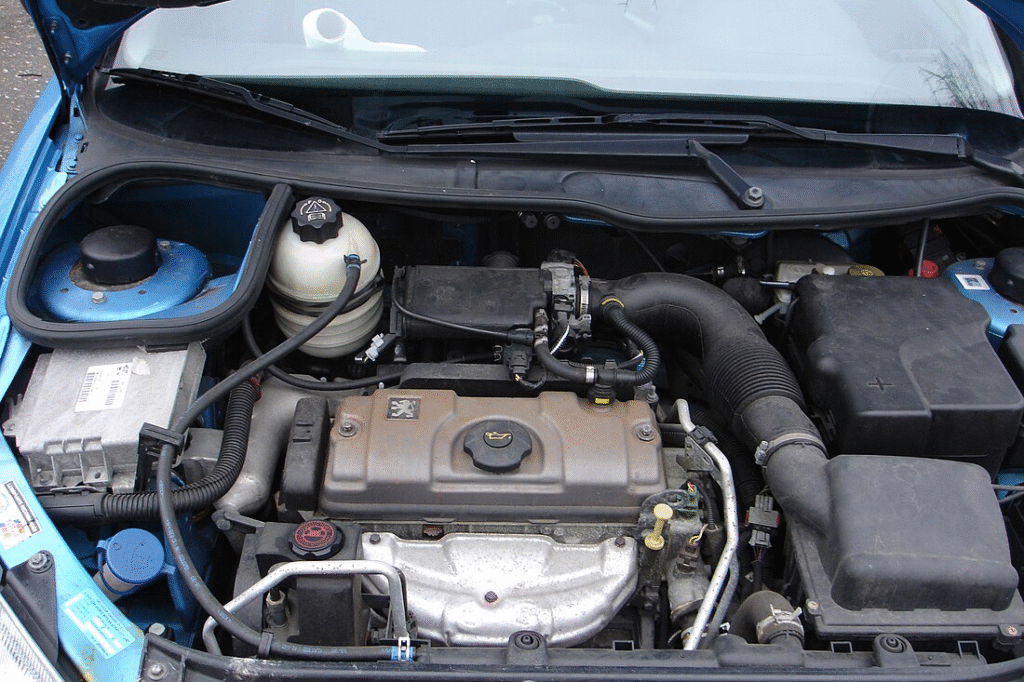
1.4L 75 hp (ET3J4)
Technical Specifications:
- Displacement: 1.4 L (1,360 cc)
- Configuration: 4-cylinder inline, 8-valve
- Power output: 75 hp @ 5,400 rpm
- Torque: 120 Nm @ 3,400 rpm
- Oil capacity: 3.5 liters (including filter)
- Required standard: PSA B71 2296
- Recommended viscosity: 5W-40
- Service interval: 15,000 km or 1 year
Recommended Oil: Shell Helix Ultra 5W-40 (see on Amazon)
The 1.4-liter ET3J4 engine represents the entry point into 207 ownership, providing adequate performance for urban driving and reasonable fuel economy for daily commuting. This straightforward eight-valve design prioritizes simplicity and reliability over outright performance, making it popular among first-time car buyers and those seeking economical transportation. The modest power output suits city traffic and highway cruising, though overtaking slower vehicles requires planning and patience.
Head gasket integrity represents the primary concern with this powerplant, as failures become increasingly common once vehicles exceed 100,000 kilometers. Early warning signs include coolant loss without visible external leaks, white smoke from the exhaust indicating coolant entering the combustion chambers, or a sweet smell from the tailpipe suggesting burning coolant. More subtle symptoms include unexplained overheating, bubbles in the coolant reservoir, or a milky appearance to the engine oil visible on the dipstick. Addressing head gasket problems promptly prevents more serious damage including warped cylinder heads or cracked blocks that would necessitate complete engine replacement.
Using quality 5W-40 synthetic oil meeting PSA B71 2296 standards helps prevent head gasket failures by maintaining proper engine temperatures and preventing hotspots that accelerate gasket degradation. The oil’s thermal stability ensures consistent protection even under stop-and-go city driving that subjects engines to repeated heating and cooling cycles. Premium oils from manufacturers like Total, Motul, or Shell incorporate advanced additive packages that resist thermal breakdown and maintain protective properties throughout the service interval.
Regular maintenance becomes particularly important for preserving engine longevity. Oil changes should never exceed the specified 15,000-kilometer interval, with more frequent service recommended for vehicles operating predominantly in city traffic or short-trip conditions. Monitoring coolant levels weekly helps identify developing head gasket problems before they become serious. Any sudden coolant loss or unusual engine behavior warrants immediate professional diagnosis to prevent catastrophic failure.
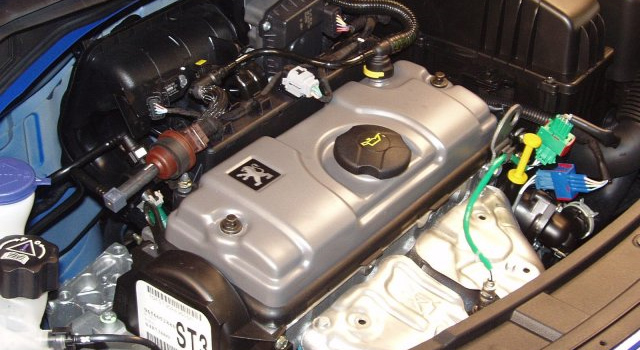
1.4L 90 hp (KFV – 16V)
Technical Specifications:
- Displacement: 1.4 L (1,360 cc)
- Configuration: 4-cylinder inline, 16-valve
- Power output: 90 hp @ 6,000 rpm
- Torque: 136 Nm @ 4,000 rpm
- Oil capacity: 3.5 liters (including filter)
- Required standard: PSA B71 2296
- Recommended viscosity: 5W-40
- Service interval: 15,000 km or 1 year
Recommended Oil: Shell Helix Ultra 5W-40 (see on Amazon)
The 16-valve version of the 1.4-liter engine provides noticeably improved performance compared to the eight-valve variant, with additional power throughout the rev range and smoother operation at highway speeds. The dual overhead camshaft design allows for more precise valve timing and increased airflow through the combustion chambers, translating directly into enhanced responsiveness and greater refinement. This engine suits drivers who occasionally need extra performance for overtaking or mountain driving while maintaining reasonable fuel consumption during normal operation.
Timing chain condition requires vigilant monitoring, as this engine exhibits a tendency toward chain stretch and tensioner wear that manifests through distinctive rattling noises during cold starts. The chain-driven variable valve timing system depends on proper oil pressure and quality to maintain correct timing advance, and any degradation in lubrication quality accelerates chain wear. Professional inspection every 80,000 kilometers identifies potential problems before chain failure causes catastrophic engine damage requiring complete engine rebuild.
Early symptoms of timing chain issues include metallic rattling from the engine during startup that diminishes as oil pressure builds and the engine warms up. More advanced wear may cause rough idle, hesitation during acceleration, or illuminated check engine lights reporting camshaft correlation errors. Addressing timing chain problems promptly prevents the chain from jumping teeth and allowing valves to contact pistons, which would destroy the engine completely.
Premium synthetic oils meeting PSA B71 2296 standards provide essential protection for the timing chain system. The oil must maintain proper viscosity at all operating temperatures to ensure adequate hydraulic pressure for the chain tensioners while flowing quickly enough during cold starts to prevent dry running. Motul 8100 X-clean 5W-40 offers exceptional shear stability that resists breakdown under the mechanical stress imposed by the timing chain drive, while advanced friction modifiers reduce chain wear throughout the service interval.
1.6L 120 hp (TU5JP4 – Sport)
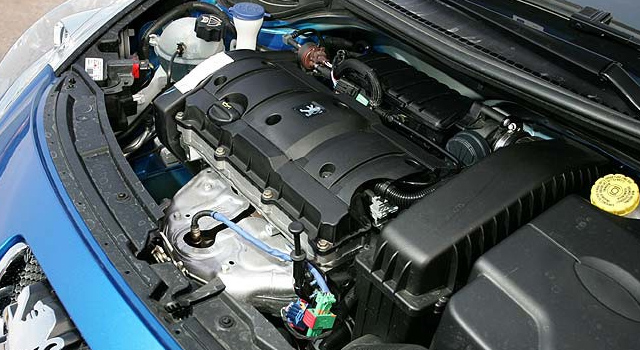
Technical Specifications:
- Displacement: 1.6 L (1,587 cc)
- Configuration: 4-cylinder inline, 16-valve
- Power output: 120 hp @ 5,750 rpm
- Torque: 147 Nm @ 4,000 rpm
- Oil capacity: 4.3 liters (including filter)
- Required standard: PSA B71 2296
- Recommended viscosity: 5W-40
- Service interval: 15,000 km or 1 year
Recommended Oil: Shell Helix Ultra 5W-40 (see on Amazon)
The 1.6-liter TU5JP4 engine represents the performance flagship of the 207 gasoline lineup, delivering spirited acceleration and satisfying power delivery that transforms the character of this small car. Often found in the 207 GT trim, this powerplant provides genuinely engaging performance suitable for enthusiastic driving while maintaining acceptable fuel economy when driven moderately. The variable valve timing system optimizes power across the rev range, creating smooth acceleration from low speeds to the redline.
Oil consumption represents the primary concern with this engine, particularly when subjected to spirited driving or sustained high-speed operation. Many owners report consumption rates approaching one liter per 5,000 kilometers when driving aggressively or frequently operating at elevated rpm. This consumption pattern falls within manufacturer tolerances but requires regular monitoring to prevent oil levels from dropping dangerously low between service intervals. Running the engine with insufficient oil causes accelerated wear to bearings, cylinder walls, and other critical components.
The elevated oil consumption characteristic of this engine demands diligent attention to oil level checks, with weekly inspections recommended for vehicles driven enthusiastically. Always carry spare oil in the vehicle to allow for topping up when necessary, ensuring that the level never falls below the minimum mark on the dipstick. Using quality 5W-40 synthetic oil meeting PSA B71 2296 standards minimizes consumption compared to lower-grade oils, though some consumption remains inevitable with this engine design.
Performance-oriented driving places exceptional demands on engine oil, as sustained high rpm operation generates elevated temperatures and mechanical stress that accelerates oil degradation. Premium synthetic oils like Shell Helix Ultra 5W-40 provide superior thermal stability and oxidation resistance compared to conventional lubricants, maintaining protective properties even when subjected to track day abuse or spirited mountain driving. The advanced additive package resists breakdown under shear stress while providing excellent detergency to prevent deposit formation throughout the engine.
Peugeot 207 Diesel Engine Oil Specifications
1.4L HDi 70 hp (DV4TD)
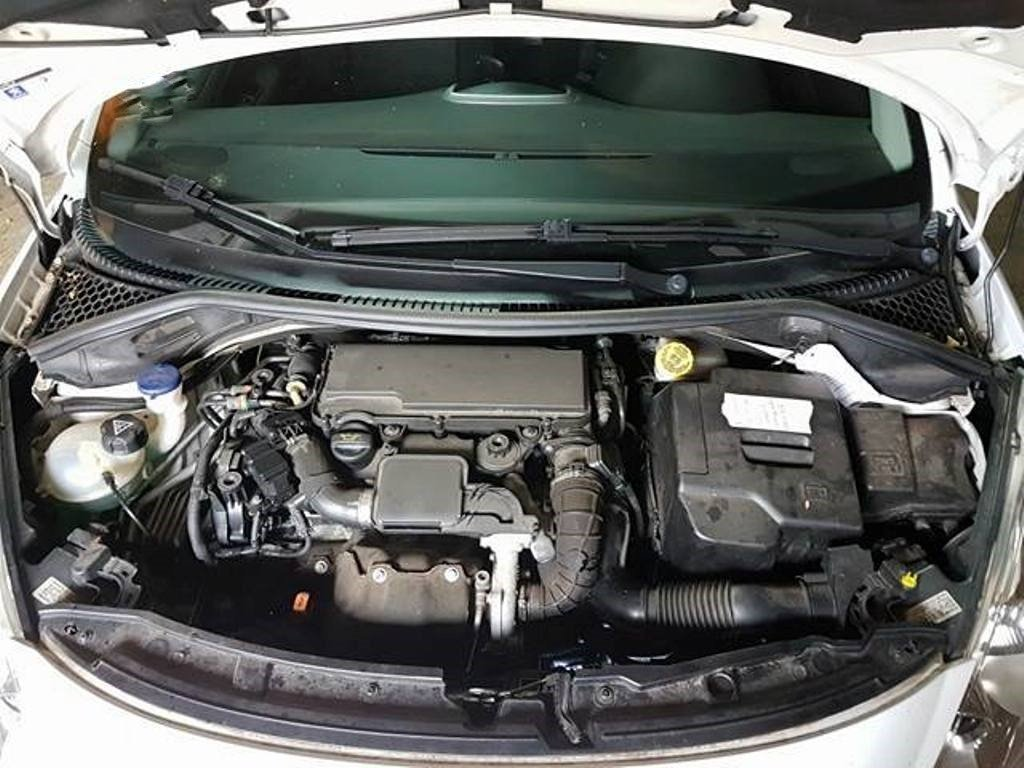
Technical Specifications:
- Displacement: 1.4 L (1,398 cc)
- Configuration: 4-cylinder inline, turbocharged diesel
- Power output: 70 hp @ 4,000 rpm
- Torque: 160 Nm @ 2,000 rpm
- Oil capacity: 3.8 liters (including filter)
- Required standard: PSA B71 2296
- Recommended viscosity: 5W-40
- Service interval: 20,000 km or 1 year
Recommended Oil: ELF Evolution 900 SXR 5W40 (see on Amazon)
The 1.4 HDi represents PSA’s entry-level diesel offering, delivering impressive fuel economy often exceeding 50 miles per gallon combined while providing adequate torque for normal driving situations. This turbocharged engine transforms the character of the 207 compared to naturally aspirated gasoline variants, offering strong low-end torque that makes city driving effortless and highway cruising relaxed. The relatively simple turbocharger system proves reliable when properly maintained with clean oil and regular servicing.
Turbocharger durability depends critically on proper oil maintenance, as this component represents the primary vulnerability in this engine design. The turbocharger operates at extreme speeds exceeding 100,000 rpm while subjected to exhaust temperatures approaching 900 degrees Celsius, creating tremendous stress on the bearing system. Contaminated oil or extended service intervals accelerate bearing wear, eventually causing turbocharger failure characterized by excessive smoke, loss of power, or unusual whining noises from the engine compartment.
Warning signs of developing turbocharger problems include blue or black smoke from the exhaust during acceleration, gradual loss of power particularly at highway speeds, or metallic whining or grinding noises that change pitch with engine speed. Oil consumption may increase as worn turbo seals allow lubricant to enter the intake or exhaust systems. Addressing turbo problems promptly prevents catastrophic failure that could scatter debris throughout the intake and exhaust systems, potentially damaging the engine itself.
Using quality diesel oil meeting PSA B71 2290 standards and maintaining strict service intervals represents the most effective strategy for preventing turbocharger problems. Elf Evolution CR-Tech 5W-40 provides exceptional protection for turbocharged diesel applications, incorporating specialized detergent packages that prevent carbon buildup in the turbo’s hot section. The oil’s thermal stability ensures that it maintains protective properties even when subjected to extreme temperatures in the turbocharger bearings, while superior oxidation resistance prevents sludge formation that would otherwise restrict oil passages.
1.6L HDi 90 hp (DV6TED4)
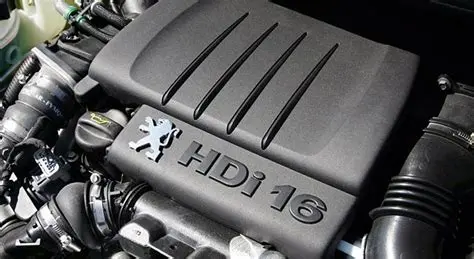
Technical Specifications:
- Displacement: 1.6 L (1,560 cc)
- Configuration: 4-cylinder inline, turbocharged diesel
- Power output: 90 hp @ 4,000 rpm
- Torque: 215 Nm @ 1,750 rpm
- Oil capacity: 4.5 liters (including filter)
- Required standard: PSA B71 2296
- Recommended viscosity: 5W-30
- Service interval: 20,000 km or 1 year
Recommended Oil: ELF Evolution 900 SXR 5W40 (see on Amazon)
The 1.6 HDi 90 hp variant provides the ideal balance between performance and economy, delivering substantially more power and torque than the 1.4 HDi while maintaining excellent fuel consumption figures. This engine equips the majority of diesel 207 models, offering sufficient performance for all driving situations including highway merging and mountain passes. The increased displacement and refined turbocharger provide smooth power delivery from low speeds through the midrange.
EGR valve maintenance represents the primary service concern for this engine, as carbon buildup gradually restricts the valve’s operation and reduces engine efficiency. The Exhaust Gas Recirculation system routes a portion of exhaust gases back into the intake to reduce combustion temperatures and nitrogen oxide emissions, but this process inevitably introduces carbon deposits that accumulate over time. Professional cleaning every 60,000 kilometers prevents excessive contamination that would otherwise trigger check engine lights, rough running, or reduced power output.
Symptoms of EGR valve problems include rough idle particularly when cold, hesitation during acceleration, black smoke from the exhaust, or illuminated check engine lights reporting excessive intake pressure. Left unaddressed, severe EGR contamination can cause complete valve failure requiring replacement rather than simple cleaning. Some owners choose to install aftermarket EGR delete kits, though this modification violates emissions regulations in most jurisdictions and should only be considered after careful research into local laws.
Oil selection for this engine demands attention to the PSA B71 2296 standard, which mandates specific formulation characteristics including low-SAPS (Sulfated Ash, Phosphorus, and Sulfur) content compatible with diesel particulate filters fitted to later examples. Total Quartz INEO ECS 5W-30 meets these stringent requirements while providing excellent engine protection and fuel economy benefits compared to heavier viscosity grades. The advanced additive package combats soot accumulation throughout the lubrication system while maintaining proper viscosity under all operating conditions.
1.6L HDi 110 hp (DV6C)
Technical Specifications:
- Displacement: 1.6 L (1,560 cc)
- Configuration: 4-cylinder inline, turbocharged diesel
- Power output: 110 hp @ 4,000 rpm
- Torque: 240 Nm @ 1,750 rpm
- Oil capacity: 4.5 liters (including filter)
- Required standard: PSA B71 2296
- Recommended viscosity: 5W-30
- Service interval: 20,000 km or 1 year
- DPF equipped: Yes
Recommended Oil: ELF Evolution 900 SXR 5W40 (see on Amazon)
The 1.6 HDi 110 hp represents the pinnacle of diesel performance in the 207 lineup, providing genuinely brisk acceleration and ample reserves for effortless highway cruising. This engine transforms the 207 into a competent long-distance tourer capable of crossing countries with minimal fuel stops while maintaining comfortable cruising speeds. The additional power compared to the 90 hp variant makes itself felt during overtaking maneuvers and when climbing steep grades.
Diesel particulate filter maintenance becomes critical for this engine variant, as the DPF captures soot particles to meet stringent emissions regulations. The system requires periodic regeneration cycles where accumulated soot burns off at elevated exhaust temperatures, typically occurring automatically during highway driving. Extended city driving may prevent adequate regeneration, causing DPF clogging that triggers warning lights and reduces engine performance. Monthly highway runs at speeds exceeding 100 kilometers per hour for 30 minutes allow passive regeneration to occur naturally.
Warning signs of DPF problems include illuminated warning lights on the instrument cluster, reduced power particularly during acceleration, increased fuel consumption as the engine richens the mixture attempting to initiate regeneration, or the engine entering limp mode restricting speed and power output. If the DPF becomes severely clogged, professional cleaning or replacement becomes necessary at considerable expense often exceeding €1,000. Preventive maintenance including proper oil selection and adequate highway driving prevents most DPF problems.
Using low-SAPS oil meeting PSA B71 2296 standards represents the foundation of DPF longevity, as conventional oils with higher ash content rapidly clog the filter through normal operation. Total Quartz INEO ECS 5W-30 specifically formulated for diesel engines with particulate filters provides optimal protection while minimizing ash accumulation. The oil’s advanced formulation balances engine protection with emission control system compatibility, ensuring long service life for both the engine and expensive DPF.
Professional Oil Change Procedure
Performing a proper oil change on your Peugeot 207 requires systematic attention to detail and appropriate tools to achieve professional results. Before beginning work, ensure that you have gathered all necessary equipment including the correct quantity of approved oil, a new filter, a fresh drain plug seal, and appropriate tools for your specific model.
Begin by warming the engine to normal operating temperature through approximately five minutes of driving, as warm oil flows more freely and drains more completely than cold lubricant. Park the vehicle on level ground and engage the parking brake firmly before allowing the engine to cool for several minutes. Locate the oil drain plug beneath the engine, typically requiring a 24-millimeter socket or wrench depending on your model year. Position your drain pan with adequate capacity beneath the drain plug, then carefully remove the plug while being prepared for hot oil to begin flowing immediately.
Allow the oil to drain completely for at least fifteen minutes, ensuring that all old lubricant exits the system before proceeding. The oil filter location varies depending on engine type, with gasoline variants typically mounting the filter on the passenger side of the engine while diesel engines position it on top of the block. Remove the old filter using an appropriate filter wrench, keeping your drain pan positioned to catch residual oil that will spill during removal. Inspect the filter mounting surface, wiping away any old gasket material or debris that might prevent proper sealing.
Apply a thin coat of fresh oil to the rubber gasket on your new filter before installing it by hand, rotating clockwise until the gasket contacts the mounting surface and then tightening according to the specifications provided with the filter. Clean the drain plug thoroughly and install a new aluminum or copper sealing washer, as reusing old washers often results in leaks. Reinstall the drain plug and torque it appropriately, typically 25-30 Newton-meters depending on your engine variant.
Remove the oil filler cap on top of the engine and add the specified quantity of fresh oil using a clean funnel, initially adding about half a liter less than the total capacity. Wait several minutes for the oil to drain into the sump, then check the dipstick level and add remaining oil gradually until reaching the proper mark between minimum and maximum indicators. Start the engine and allow it to idle for approximately one minute while inspecting for any leaks around the filter mounting surface or drain plug.
The oil pressure warning light should extinguish within a few seconds as fresh oil circulates throughout the engine. Switch off the engine and wait five minutes for oil to drain back into the sump, then perform a final level check and add additional oil if necessary to reach the proper mark. Reset your service indicator through the instrument cluster menu system, typically accomplished by pressing and holding the trip reset button while turning on the ignition until the display confirms the reset.
Common Problems and Prevention Strategies
The Peugeot 207 developed certain characteristic issues that proper maintenance and appropriate oil selection can help prevent or mitigate. Understanding these common problems allows owners to take preventive action before minor concerns escalate into expensive repairs requiring extensive labor and parts replacement.
Diesel turbochargers producing whistling noises often indicate air leaks in the intake system rather than turbocharger failure itself. The plastic intake ducting connecting the air filter to the turbocharger and intercooler becomes brittle over time, developing cracks that allow unmetered air to enter the system. These leaks disrupt the air-fuel mixture and cause the turbocharger to work harder attempting to maintain proper boost pressure. Regular inspection of intake hoses and connections identifies problems before they cause turbo damage, with replacement hoses representing an inexpensive fix compared to turbocharger rebuilding.
Gasoline engines consuming excessive oil benefit from using quality 5W-40 synthetic oil meeting PSA B71 2296 standards rather than lighter viscosity grades. While some manufacturers recommend 5W-30 for improved fuel economy, the 1.6-liter sport engine in particular demonstrates reduced consumption when running thicker 5W-40 oil. The heavier viscosity provides better sealing at the piston rings and valve stems, reducing the amount of oil that enters the combustion chambers and burns during normal operation.
EGR valve clogging on diesel engines can be postponed through regular highway driving that allows exhaust temperatures to reach levels necessary for burning off carbon deposits. Short trips and city driving never allow the system to reach full operating temperature, promoting carbon accumulation. Installing an aftermarket catch can system to remove oil vapors from the PCV system before they reach the intake manifold significantly reduces carbon buildup on intake valves and the EGR valve, though this modification requires some mechanical skill to install properly.
Why Regular Oil Changes Matter
Proper lubrication maintenance represents one of the most cost-effective strategies for preventing expensive engine repairs and extending vehicle lifespan. Understanding the specific benefits of regular oil changes with correct specifications helps owners appreciate why this routine maintenance deserves priority attention and consistent execution.
Fresh oil provides optimal protection for critical engine components including turbochargers, pistons, crankshafts, and camshafts through maintaining proper film strength and lubrication characteristics. The 1.6 HDi diesel engines and 1.4-liter gasoline variants prove particularly sensitive to carbon deposits that form when oil degrades, gradually restricting oil passages and reducing flow to critical components. Regular oil changes prevent sludge accumulation that would otherwise impair engine performance and longevity.
Avoiding expensive repairs represents perhaps the most compelling argument for regular maintenance, as degraded oil leads to premature wear of expensive components. A clogged DPF on diesel models requires professional cleaning or replacement costing €800-1,200, while timing chain replacement on gasoline engines exceeds €1,000 in parts and labor. Perhaps most dramatically, turbocharger failure on the 1.4 HDi necessitates replacement or rebuild costing approximately €1,200 at independent garages. All these failures can be prevented through simple adherence to service intervals and use of correct oil specifications.
The modest cost of regular oil changes pales in comparison to major repair expenses, with DIY oil changes costing €25-50 in materials while professional service typically runs €60-100 depending on location and oil brand selected. Performing this service annually or every 15,000-20,000 kilometers represents an inexpensive insurance policy against catastrophic failures that would cost thousands to repair.
Conclusion
Maintaining your Peugeot 207 with appropriate engine oil selected according to PSA specifications and changed at proper intervals represents the single most important action you can take to ensure reliable service and prevent expensive repairs. Each engine variant features specific lubrication requirements reflected in the PSA B71 standard system, and adhering to these specifications protects your investment while maintaining the performance characteristics expected from this popular supermini.
Whether you own an economical diesel model or a spirited gasoline sport variant, using quality synthetic oil meeting the correct PSA standard at proper intervals protects sophisticated engine components from premature wear. The relatively modest cost of premium oil and regular maintenance becomes trivial when compared to the expense of turbocharger replacement, DPF cleaning, or timing chain repairs resulting from neglect or inappropriate lubrication.
By following the recommendations in this guide and maintaining vigilant attention to service intervals and oil specifications, your 207 will continue providing reliable, efficient transportation for many years and hundreds of thousands of kilometers to come.
Sources:
- Peugeot 207 Workshop Manual
- PSA Technical Standards 2010
- Technical Service Bulletins
- ACEA European Oil Sequences 2024
Disclaimer: This guide is based on official manufacturer specifications and industry standards. Always consult your owner’s manual and qualified technicians for specific advice regarding your vehicle. Oil specifications and service intervals may vary by market and model year.