Review: Redex DPF Cleaner Diesel – Does It Really works ?
If you drive a modern diesel car, you’ve almost certainly encountered the dreaded DPF warning light at some point. Diesel Particulate Filters have become a major headache for diesel owners, particularly those driving in urban areas or making frequent short journeys. Redex DPF Cleaner promises to solve this expensive problem with a simple bottle of fuel additive. But does it actually work, or is it just another snake oil product? In this comprehensive review, we’ll examine the science, real-world performance, and honest user feedback to help you decide if Redex DPF Cleaner is worth buying.
Redex DPF Cleaner Diesel, 250ml
See on Amazon
What is Redex DPF Cleaner?
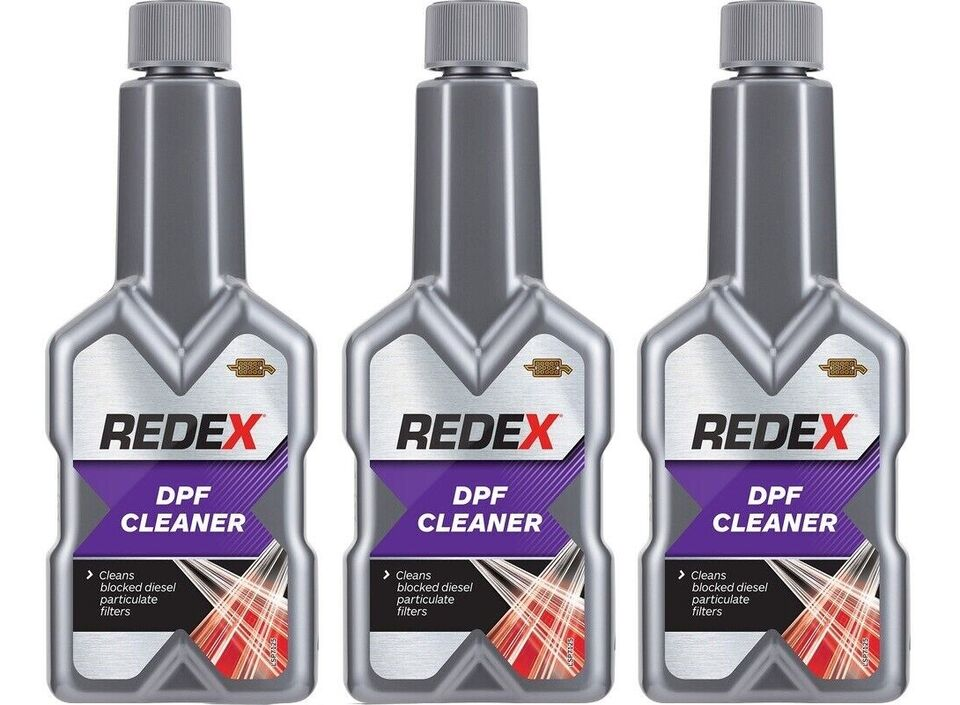
Redex DPF Cleaner is a specialist fuel additive designed specifically for diesel vehicles equipped with Diesel Particulate Filters. Manufactured by Holts Auto (the parent company of Redex, the UK’s number one fuel additive brand), this 250ml product claims to help clear soot blockages and prevent costly DPF-related repairs.
The product is marketed as both a preventive maintenance solution and a remedy when the DPF warning light has already appeared on your dashboard. Redex positions this as their specialist answer to one of the most common and expensive problems facing modern diesel car owners.
Understanding the DPF Problem
Before diving into whether Redex DPF Cleaner works, it’s essential to understand what you’re dealing with. Diesel Particulate Filters became mandatory on all diesel cars from around 2009 to help reduce harmful particulate emissions. They work by trapping soot particles from the exhaust gases in a ceramic filter.
The problem? That trapped soot builds up over time and eventually blocks the filter. Under normal conditions, the car should perform a “regeneration” process where the exhaust gets extremely hot (around 600°C) to burn off the accumulated soot, turning it into ash.
Why regeneration fails:
- Short journeys: The engine doesn’t get hot enough to trigger regeneration
- Urban driving: Stop-start traffic prevents sustained high temperatures
- Low-speed driving: The exhaust system never reaches optimal temperature
- Ignoring warning lights: Delayed regeneration makes the problem worse
When regeneration fails repeatedly, the DPF becomes severely blocked. This triggers warning lights, reduces engine power (limp mode), and ultimately requires expensive professional cleaning or complete DPF replacement—often costing £1,000-£2,500.
How Redex DPF Cleaner Claims to Work
Redex DPF Cleaner contains what the company calls a “nano-metal oxide catalyst.” According to Redex, this technology works by:
Lowering the soot burn temperature: The catalyst reduces the temperature at which soot particles combust, from around 600°C down to approximately 400-450°C.
Enabling passive regeneration: By lowering the required temperature, the DPF can regenerate during normal driving without needing sustained high-speed motorway runs.
Preventing build-up: Regular use is claimed to prevent soot accumulation in the first place.
Redex states their nano-metal oxide catalyst technology is “30% more efficient than other technologies” and helps save time, fuel, and money compared to forced regenerations or garage visits.
Technical Specifications
- Capacity: 250ml per bottle
- Dosage: Half a bottle (125ml) per tank for regular use; full bottle for clearing blockages
- Frequency: Every 2-3 tanks for preventive maintenance
- Compatibility: All diesel vehicles with DPF
- Safe for: Biodiesel blends, AdBlue systems, EGR valves, turbochargers
- Price range: £6-£10 depending on retailer (often on offer at £4-£5)
How to Use Redex DPF Cleaner
Using the product is straightforward:
For preventive maintenance:
- Pour half a bottle (125ml) into your fuel tank before or after refuelling
- Drive normally—the product circulates through the fuel system
- Repeat every 2-3 tanks, especially if you do lots of short journeys
When the DPF warning light is on:
- Pour the full 250ml bottle into your fuel tank
- Drive for at least 15-20 minutes, ideally including some dual carriageway or motorway driving at 50-70mph
- Allow the engine to reach operating temperature and maintain higher revs (2,000-3,000 rpm)
- The warning light should clear within one tank of fuel
Redex emphasizes that the product works best as a preventive measure rather than a cure for severely blocked DPFs.
Real-World Performance: User Feedback Analysis
After analysing hundreds of reviews from UK forums, retailers, and automotive communities, here’s what actual users report:
Positive Experiences (Mixed Results)
Success stories include:
DPF light clearing: Several users report the warning light turned off after using Redex and completing a motorway drive. One Citroën C8 owner noted: “Putting Redex DPF cleaner in the fuel tank will eliminate the warning light. I filled up again without DPF cleaner added, EML back on.”
Preventive benefits: Some drivers using it regularly (every 2-3 tanks) report never experiencing DPF warning lights, even with predominantly urban driving.
Slight performance improvement: A few users noticed smoother acceleration and marginally better fuel economy after several uses.
Cost-effective first attempt: At £4-£10 per bottle, many view it as worth trying before paying £100+ for a forced regeneration at a garage.
Important context from positive reviews:
- Nearly all successful uses involved combining the additive with a proper motorway drive (15+ minutes at 2,000+ rpm)
- Success rate appears highest when used at the first sign of the DPF light, not after weeks of ignoring it
- Regular preventive use shows better results than crisis intervention
Negative and Sceptical Experiences
Common criticisms include:
“Snake oil” accusations: Many mechanically-minded users dismiss it as ineffective. One engineering head at a major UK fleet management company conducted extensive testing and found results “at best, inconclusive.”
Better alternatives exist: Multiple users suggest premium diesel (Shell V-Power, BP Ultimate) achieves similar or better results without additives.
Potential sensor damage: One Ford Kuga owner reported: “I put Redex in my tank and REGRETTED every drop. It cost me a trip to my local garage and he had to replace the DPF sensor.”
No substitute for proper regeneration: Several mechanics note that the product can’t replace the fundamental need for the car to get hot enough for regeneration. “It just needs a good motorway drive to kick in a regen process,” one professional noted.
Professional products preferred: Garages and workshops typically use Forte or Millers products, which are considered more effective but cost £15-£25.
The Honest Middle Ground
The most balanced feedback suggests:
- Redex DPF Cleaner may help facilitate regeneration by lowering soot burn temperature, but it cannot regenerate the DPF by itself
- It works best as a preventive product for those who do lots of short journeys
- When the warning light appears, you still need to combine the additive with a proper motorway drive
- It’s less effective than professional cleaning for severely blocked DPFs
- Premium diesel fuels already contain significant cleaning additives, potentially making Redex redundant
Scientific Perspective: Does the Chemistry Work?
The concept of using metal oxide catalysts to lower combustion temperatures is scientifically sound—this is essentially what catalytic converters do. However, several factors limit effectiveness in real-world conditions:
Theoretical benefits:
- Metal oxide catalysts can indeed reduce soot ignition temperature
- Lower temperature threshold makes passive regeneration easier
- Should reduce frequency of forced regenerations
Practical limitations:
- The catalyst must reach and coat the DPF surfaces to be effective
- Severely blocked filters may prevent additive from penetrating deeply
- Modern diesel fuels already contain additives, making additional products potentially redundant
- The amount of catalyst in a 250ml bottle is limited compared to the volume of soot in a blocked DPF
Expert opinion consensus:
Premium diesel fuels (Shell V-Power, BP Ultimate, Esso Supreme) already contain sophisticated additive packages including detergents, cetane improvers, and lubricity agents. For many vehicles, using premium fuel occasionally achieves similar results without additional products.
Comparison to Alternatives
Redex DPF Cleaner vs Premium Diesel
Premium diesel advantages:
- Already formulated with cleaning additives
- Higher cetane for better combustion
- No mixing required
- Widely available
- Proven effectiveness
Premium diesel disadvantages:
- Costs 10-15p more per litre (£4-£6 more per tank)
- Ongoing expense rather than occasional treatment
Verdict: Using premium diesel every 3rd-4th tank is arguably more effective than Redex DPF Cleaner for preventive maintenance.
Redex DPF Cleaner vs Professional Products
Professional alternatives (Forte, Millers, Wynn’s):
- Higher concentration of active ingredients
- Trusted by garages and workshops
- More expensive (£15-£25 per treatment)
- Often require less frequent use
Redex advantage:
- Significantly cheaper
- Easier to find (supermarkets, petrol stations)
- Lower commitment for trying
Verdict: If money is no object, professional products like Forte Advanced Formula or Millers Diesel Cleaner offer better results. Redex is a budget-friendly alternative worth trying first.
Redex DPF Cleaner vs Doing Nothing
The “Italian tune-up” approach:
- Regular motorway drives at 2,500+ rpm
- 20+ minutes at sustained speed
- Free and effective for DPF health
- No chemicals needed
When additives help:
- Predominantly urban drivers who can’t get regular motorway miles
- First intervention when warning light appears
- Extra assurance between MOTs
Verdict: Proper driving habits (regular motorway runs) trump any additive. Redex is supplementary, not a substitute.
When to Use Redex DPF Cleaner
Good use cases:
✓ Preventive maintenance for urban drivers: If you do mostly short journeys (under 10 miles) and can’t get regular motorway time
✓ First response to DPF warning light: Before paying for garage diagnostics or forced regeneration
✓ Pre-MOT preparation: As part of emissions test preparation
✓ Low-mileage diesels: Cars driven infrequently that never reach optimal operating temperature
✓ Budget-conscious approach: When professional cleaning isn’t financially viable immediately
Poor use cases:
✗ Severely blocked DPF: If the car is in limp mode or shows multiple warning lights
✗ Substitute for proper driving: Cannot replace the need for occasional sustained high-speed driving
✗ Already using premium diesel: Redundant if you regularly use Shell V-Power or BP Ultimate
✗ Manufacturer warnings: Some manufacturers explicitly advise against additives
Pros and Cons
Pros:
✓ Affordable at £4-£10 per bottle
✓ Easy to use with no special tools required
✓ May help clear early-stage DPF blockages
✓ Can facilitate easier passive regeneration
✓ Widely available (supermarkets, petrol stations, Halfords)
✓ Safe for all diesel emission systems
✓ UK’s most recognisable fuel additive brand
✓ Worth trying before expensive garage intervention
Cons:
✗ Effectiveness is highly debated and inconsistent
✗ Cannot replace proper motorway regeneration drive
✗ Less effective than professional products
✗ May be redundant if using premium diesel
✗ Mixed scientific support for claimed benefits
✗ Some reports of sensor damage (rare)
✗ Won’t fix mechanically damaged or ash-filled DPFs
✗ Marketing claims may exceed real-world results
Final Verdict: Is Redex DPF Cleaner Worth It?
Redex DPF Cleaner occupies an uncomfortable middle ground—it’s not entirely ineffective, but it’s far from a miracle cure. The honest assessment is:
For preventive use: Moderately effective as part of a broader DPF maintenance strategy. If you’re an urban driver doing lots of short journeys, using half a bottle every 2-3 tanks combined with monthly motorway runs might help prevent DPF problems. However, using premium diesel every 3rd-4th tank is arguably a better approach.
For clearing blockages: Limited effectiveness. While some users report success, it almost certainly requires combining the additive with a proper regeneration drive (20+ minutes at motorway speeds, 2,500+ rpm). If the DPF is severely blocked or the car is in limp mode, you’ll likely need professional intervention regardless.
Value for money: At £4-£5 on offer, it’s cheap enough to try as a first intervention before paying £100+ for a forced regeneration. At full price (£8-£10), premium diesel or professional products represent better value.
Bottom line: Redex DPF Cleaner is a reasonable first attempt for early-stage DPF issues, particularly for budget-conscious drivers. It may provide marginal benefits for preventive maintenance. However, it’s not a substitute for proper driving habits (regular motorway runs), premium fuel, or professional cleaning when seriously needed.
Best use case: Urban diesel drivers who want an affordable preventive measure alongside (not instead of) regular longer drives.
Rating: 3/5 – Modest benefits at budget price, but don’t expect miracles
Practical Recommendations
If you’re considering Redex DPF Cleaner, here’s what actually works:
Preventive strategy (best approach):
- Use premium diesel (Shell V-Power, BP Ultimate) every 3rd-4th tank
- Take a 20+ minute motorway drive once per week at 2,500+ rpm
- Consider Redex DPF Cleaner every 2-3 tanks if budget is tight
When the warning light appears:
- Add a full bottle of Redex DPF Cleaner immediately
- Drive for 20-30 minutes on dual carriageway/motorway at 60-70mph, maintaining 2,500-3,000 rpm
- Allow 1-2 days and 50-100 miles to see if the light clears
- If light persists after one tank, seek professional diagnostics
Long-term DPF health:
- Avoid diesel if you only do short urban journeys (consider petrol or hybrid)
- Schedule regular longer drives—DPFs need heat
- Don’t ignore warning lights—early intervention is easier
- Service the car on schedule—oil quality affects DPF life
- Consider professional DPF cleaning every 80,000-100,000 miles
Where to Buy in the UK
Redex DPF Cleaner 250ml is widely available:
- Tesco (often £4-£5 on offer in motoring aisle)
- Halfords (regular price £7-£9)
- Amazon UK (subscribe & save available)
- Petrol station shops (Esso, Shell, BP typically stock it)
- Asda, Sainsbury’s, Morrisons (motoring sections)
Money-saving tip: Watch for supermarket offers—Tesco frequently sells it for £4-£5 instead of £8-£10. Stock up when you see it on offer.
Frequently Asked Questions
Q: Can I use Redex DPF Cleaner in petrol engines?
A: No, this product is diesel-only. Petrol engines don’t have DPFs, so it would serve no purpose.
Q: How quickly does it work?
A: If effective, you should see results within one tank of fuel (200-400 miles), particularly if combined with a proper motorway drive.
Q: Can I use the whole bottle at once?
A: Yes—use the full 250ml when the warning light is on, or half a bottle (125ml) for regular preventive maintenance.
Q: Will it damage my engine or DPF?
A: Redex claims it’s safe for all diesel vehicles. However, there are isolated reports of sensor damage. Use at your own risk, particularly if your manufacturer advises against additives.
Q: Does it work without a motorway drive?
A: Unlikely. The additive may lower the temperature needed for regeneration, but you still need sustained driving at higher RPMs to generate sufficient heat.
Q: Can it fix a DPF that’s already in limp mode?
A: Probably not. By the time limp mode activates, the DPF is usually severely blocked and requires professional intervention (forced regeneration or physical cleaning).
Q: How does it compare to Wynn’s or Liqui Moly DPF cleaners?
A: Professional-grade products like Wynn’s and Liqui Moly generally have higher concentrations of active ingredients and better reviews from mechanics, but cost significantly more (£15-£25).
Disclaimer: This review is based on manufacturer information, scientific principles, and analysis of hundreds of user experiences. Individual results may vary significantly based on vehicle condition, DPF blockage severity, and driving habits. Always consult your vehicle’s manual before using fuel additives, as some manufacturers void warranties if unapproved products are used.