
Best Engine Oil for Opel/Vauxhall Corsa E
The Opel Corsa E (marketed as Vauxhall Corsa in the United Kingdom), produced from 2014 to 2019, represents the fifth generation of this popular city car that has captivated European drivers with its modern design, efficient engines, and nimble handling characteristics. To ensure optimal longevity, performance, and reliability from your Corsa E, selecting the correct engine oil for your specific powertrain is absolutely essential. This comprehensive guide is based on official manufacturer recommendations and trusted technical sources to help you make informed decisions about engine oil selection and maintenance for your Opel/Vauxhall Corsa E.
The Corsa E generation marked a significant evolution in Opel’s small car lineup, featuring completely redesigned exterior styling, improved interior quality, and a range of modern turbocharged engines delivering impressive performance with excellent fuel economy. Understanding the specific lubrication requirements of your particular engine variant ensures you maintain warranty coverage, prevent premature wear, and maximize the lifespan of your vehicle. This guide covers all available powertrains, from the economical naturally-aspirated 1.2-liter unit to the sporty 1.4 Turbo, providing detailed specifications and expert maintenance advice for each variant.
Complete Oil Specifications Overview
See details
Engine | Type | Power | Standard | Viscosity | Capacity | Interval | Sensitive Components |
|---|---|---|---|---|---|---|---|
1.0 Turbo | Petrol | 90 hp | Dexos 1 Gen 2 | 5W-30 | 4.0 L | 15,000 km/1 year | Turbocharger |
1.2 | Petrol | 70 hp | Dexos 2 | 5W-30 | 4.0 L | 15,000 km/1 year | Timing chain |
1.4 | Petrol | 90/100 hp | Dexos 2 | 5W-30 | 4.0 L | 15,000 km/1 year | Ignition coils |
1.4 Turbo | Petrol | 150 hp | Dexos 1 Gen 2 | 5W-30 | 4.0 L | 15,000 km/1 year | Turbocharger |
1.3 CDTI | Diesel | 75/95 hp | Dexos 2 | 5W-30 | 3.2 L | 30,000 km/1 year | DPF |
Understanding GM Dexos Oil Specifications
Dexos 1 Gen 2 Specification
The Dexos 1 Gen 2 specification represents General Motors’ latest performance standard for petrol engines, specifically designed for turbocharged direct-injection powertrains operating under demanding conditions. This specification supersedes the original Dexos 1 standard, incorporating enhanced requirements for low-speed pre-ignition (LSPI) protection, a phenomenon where fuel ignites prematurely in turbocharged engines, potentially causing severe damage. Oils meeting Dexos 1 Gen 2 undergo rigorous testing for wear protection, deposit control, and performance in high-temperature conditions.
The specification typically covers 5W-30 viscosity grades, providing excellent cold-start protection while maintaining adequate film strength at operating temperatures. Dexos 1 Gen 2 oils feature advanced additive packages designed to prevent carbon buildup on direct-injection fuel injectors, protect turbocharger components from extreme temperatures, and maintain oil flow characteristics throughout extended service intervals. For Opel/Vauxhall Corsa E owners with turbocharged engines, using oil meeting this specification is mandatory for maintaining warranty coverage and ensuring optimal engine protection.
Dexos 2 Specification
Dexos 2 represents GM’s European oil specification, designed to replace earlier GM-LL-A-025 (petrol) and GM-LL-B-025 (diesel) standards for vehicles sold in European markets. This specification is built on the ACEA C3 standard but incorporates additional requirements from ILSAC testing protocols, including stringent deposit formation and low-temperature sludge buildup tests. Dexos 2 oils feature low-SAPS (Sulfated Ash, Phosphorus, and Sulfur) formulation essential for protecting modern emission control systems including gasoline particulate filters and diesel particulate filters.
Oils meeting Dexos 2 are backward compatible with older GM vehicles but are specifically required for models manufactured from 2011 onward. The specification ensures excellent engine cleanliness, wear protection, and fuel economy performance while minimizing ash accumulation in after-treatment systems. For Corsa E owners with naturally-aspirated petrol engines or diesel powertrains, Dexos 2 approved oils provide comprehensive protection meeting both manufacturer requirements and European emission standards.
Petrol Engine Oil Recommendations
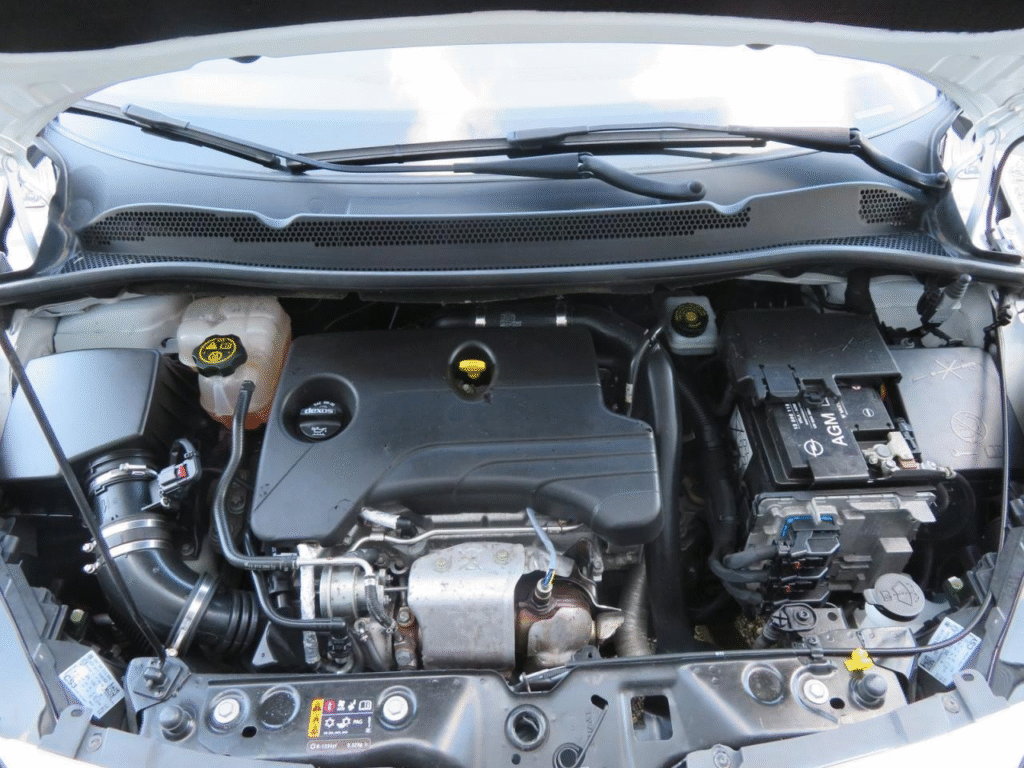
1.0 Turbo 90 hp
- Recommended oil: Castrol MAGNATEC 5W-30 DX 5L (view on Amazon)
- Oil capacity: 4.0 liters
- Vulnerability: Sensitive turbocharger
- Essential practice: Allow idle time before shutdown to cool turbocharger
The 1.0-liter three-cylinder turbocharged engine represents Opel’s commitment to downsizing technology, delivering impressive performance from a compact displacement through advanced turbocharging and direct fuel injection. This engine produces peak torque from just 1,800 rpm, providing excellent urban driveability and highway cruising capability while achieving outstanding fuel economy figures often exceeding 50 mpg in mixed driving. However, the small turbocharger operates at extremely high speeds, making proper oil quality and maintenance practices absolutely critical for longevity.
The Dexos 1 Gen 2 specification ensures the oil provides adequate protection against low-speed pre-ignition, a particular concern in small-displacement turbocharged engines where fuel can ignite prematurely under load. Always allow the engine to idle for 30-60 seconds after highway driving or sustained boost operation to allow the turbocharger to cool gradually, preventing oil coking in the bearing assembly. Some owners have reported coolant system issues with this engine, particularly coolant leaks from the thermostat housing or coolant flange, so regular cooling system inspection is recommended alongside proper oil maintenance.
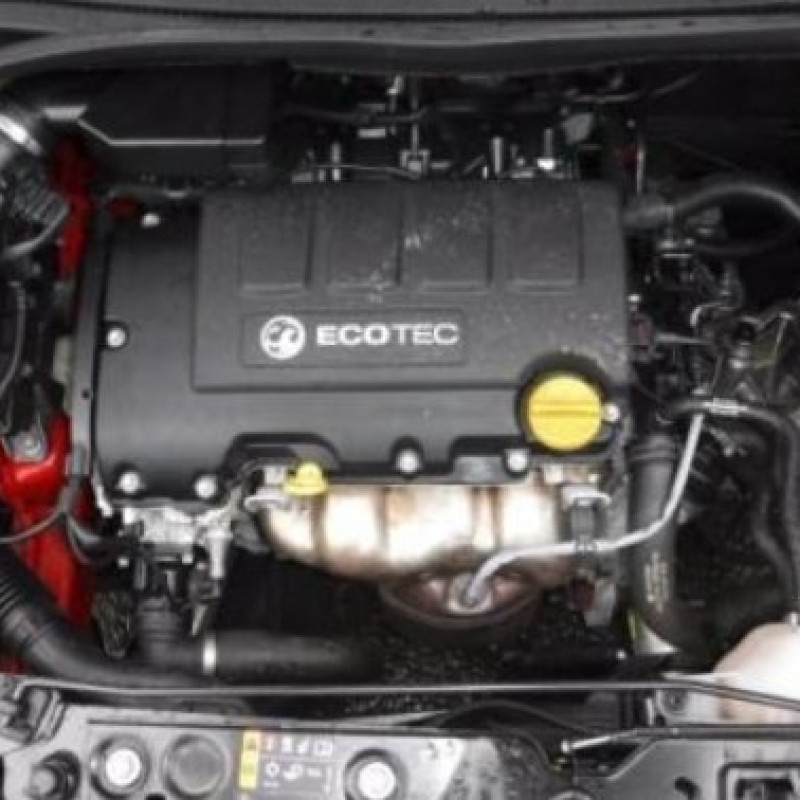
1.2 70 hp
- Recommended oil: Castrol MAGNATEC 5W-30 DX 5L (view on Amazon)
- Oil capacity: 4.0 liters
- Key feature: Timing chain system
- Warning: Monitor for abnormal chain noise
The 1.2-liter naturally-aspirated four-cylinder engine serves as the entry-level petrol option in the Corsa E range, providing adequate power for urban commuting and light highway use with excellent fuel economy. This engine features a timing chain rather than a belt, eliminating the need for periodic belt replacement but requiring proper lubrication to prevent chain stretch and tensioner wear. The Dexos 2 specification ensures the oil maintains adequate flow to the timing chain tensioner hydraulic system while providing proper lubrication for all engine components.
Listen carefully for any rattling or unusual noises from the timing chain area, particularly during cold starts or when the engine is under load. These sounds may indicate developing chain stretch or tensioner problems requiring investigation. Regular oil changes using the correct specification are essential for timing chain longevity, as degraded oil cannot maintain proper hydraulic pressure in the tensioner system. This engine also experiences issues with ignition coils that can cause misfires and rough running, though this is unrelated to oil maintenance.
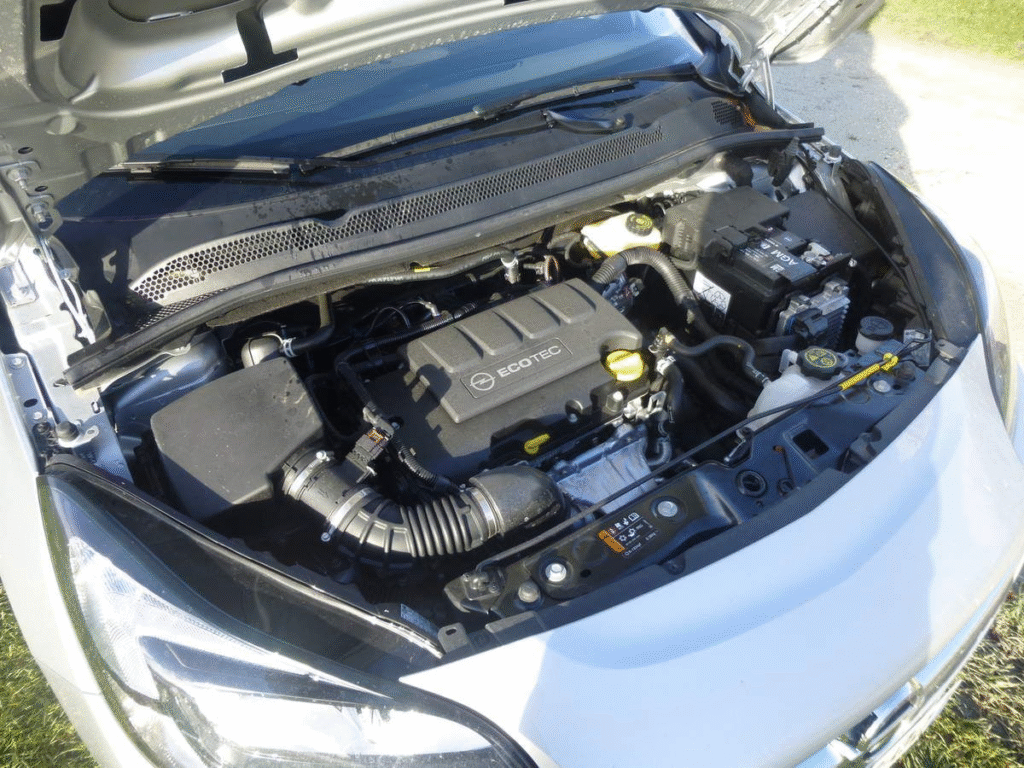
1.4 90/100 hp
- Recommended oil: TotalEnergies Quartz INEO Long Life 5W30 (view on Amazon)
- Oil capacity: 4.0 liters
- Known issue: Fragile ignition coils
- Maintenance priority: Regular inspection of spark plugs and coils
The 1.4-liter naturally-aspirated engine offers improved performance over the 1.2-liter unit while maintaining reasonable fuel economy, typically achieving 40-45 mpg in mixed driving conditions. This engine features the B14XEL code designation and represents a mature, proven design that can deliver reliable service when properly maintained. The Dexos 2 specification oil ensures adequate protection for the engine’s internal components while meeting European emission standards and compatibility with any emission control systems.
A well-documented weakness of this engine involves the ignition coils, which can fail prematurely causing misfires, rough idling, and illumination of the check engine light. While this issue is unrelated to oil selection, maintaining proper oil change intervals helps ensure overall engine health and prevents additional stress on components. Symptoms of ignition coil failure include rough running, hesitation during acceleration, and reduced fuel economy. Regular inspection of spark plugs and ignition coils, with replacement as needed, helps maintain optimal engine performance and prevents damage from prolonged misfiring conditions.
1.4 Turbo 150 hp
- Recommended oil: Castrol MAGNATEC 5W-30 DX 5L (view on Amazon)
- Oil capacity: 4.0 liters
- Vulnerability: High-pressure turbocharger system
- Critical maintenance: Strict 10,000 km intervals for performance driving
The 1.4 Turbo engine delivers impressive performance suitable for enthusiastic driving, producing 150 hp and 220 Nm of torque for strong acceleration and excellent highway passing capability. This engine powers the sportier Corsa variants and provides genuine hot-hatch performance when driven aggressively. However, the high-pressure turbocharger system operates under extreme thermal and mechanical stress, particularly during hard acceleration or sustained high-speed driving, making oil quality absolutely essential for reliability.
For owners who regularly exercise the engine’s performance capabilities, reducing the service interval from the standard 15,000 km to 10,000 km is strongly recommended. Spirited driving generates significantly higher oil temperatures and accelerates contamination from blow-by gases, degrading oil more rapidly than gentle driving patterns. The Dexos 1 Gen 2 specification provides critical protection against low-speed pre-ignition, which can cause catastrophic engine damage in turbocharged direct-injection engines. Some owners have reported excessive oil consumption with this engine, potentially caused by piston ring design or turbocharger seal wear, so regular oil level monitoring between service intervals is essential.
Diesel Engine Oil Recommendations
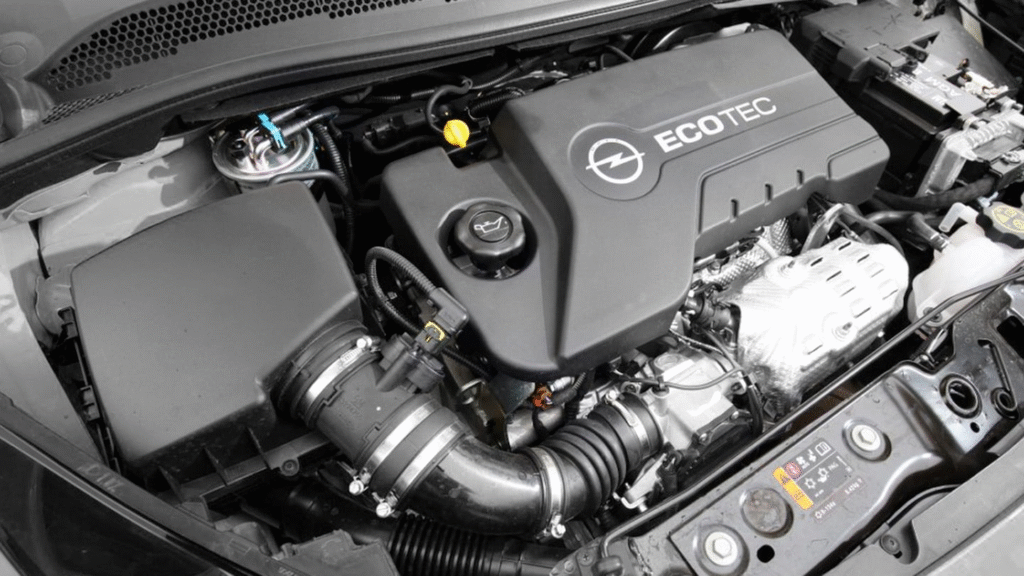
1.3 CDTI 75/95 hp
- Recommended oil: Shell Helix Ultra ECT 5W-30 (view on Amazon)
- Oil capacity: 3.2 liters
- DPF equipped: Regular highway drives required to prevent clogging
- Maintenance priority: EGR system cleaning every 80,000 km
The 1.3 CDTI diesel engine represents a joint development between GM and Fiat, featuring advanced common-rail fuel injection technology delivering excellent fuel economy often exceeding 60-70 mpg in highway driving. This compact diesel produces strong low-end torque ideal for urban driving while maintaining impressive efficiency, making it popular among high-mileage drivers. The Dexos 2 specification oil provides essential low-SAPS formulation required for protecting the diesel particulate filter from premature ash accumulation.
However, the DPF system proves particularly sensitive to driving patterns, with vehicles used predominantly for short urban trips experiencing frequent regeneration cycles and potential filter clogging. To maintain DPF health, undertake at least one extended highway drive weekly, maintaining speeds above 70 km/h for 20-30 minutes to facilitate passive regeneration. The exhaust gas recirculation (EGR) valve represents a known weak point on this engine, with carbon buildup causing reduced performance, increased emissions, and potential engine management warning lights. Professional EGR cleaning or replacement every 80,000 km prevents issues and maintains optimal engine efficiency.
Comprehensive Oil Change Procedure
Required Tools and Materials
Performing an oil change on your Opel/Vauxhall Corsa E requires proper preparation and quality components to ensure professional results. You will need a 24mm socket or wrench for the drain plug, a quality oil filter such as Purflux L398A which fits all Corsa E engine variants, a new drain plug sealing washer (copper or aluminum depending on engine), and the correct quantity and specification of engine oil. Additionally, prepare a drain pan with at least 5-liter capacity, protective gloves, clean rags for wiping surfaces, and a funnel for adding new oil without spillage.
The Corsa E features relatively straightforward oil change access compared to some modern vehicles, with the oil filter located on the side of the engine for easy reach from above without requiring vehicle lifting. However, draining the oil from the sump plug does require raising the vehicle using ramps or jack stands, so ensure proper safety procedures including wheel chocks and stable support before working beneath the vehicle.
Step-by-Step Process
Begin the oil change procedure by warming the engine to operating temperature through 5-10 minutes of idling, which reduces oil viscosity for more complete drainage and suspends contaminants for removal with the old oil. Position the vehicle on level ground and engage the parking brake, then safely raise and support the front of the vehicle using appropriate equipment. Locate the drain plug on the lowest point of the oil pan, position your drain pan directly beneath it, then carefully remove the plug using a 24mm socket or wrench.
Allow sufficient time for oil to drain completely, typically 15-20 minutes, to remove the maximum amount of contaminated oil from the system. While the oil drains, locate the oil filter on the engine side and remove it by turning counterclockwise. The filter location provides excellent access from above in most Corsa E models, making removal straightforward without specialized tools. Before installing the new filter, apply a thin film of fresh oil to the rubber sealing ring to ensure proper seating and prevent leaks during initial startup.
Install the new filter hand-tight according to the markings on the filter body, typically three-quarters of a turn after the seal contacts the mounting surface. Clean the drain plug and mating surface on the oil pan, install a new sealing washer, then reinstall the plug to the specified torque of approximately 25-30 Nm. Lower the vehicle to the ground, remove the oil filler cap, and slowly pour the specified quantity of oil through the filler opening, periodically checking the level with the dipstick.
Once the level approaches the maximum mark, start the engine and allow it to run for one minute to circulate oil throughout the system and prime the new filter. Check carefully for leaks around the drain plug and oil filter, then shut off the engine and wait 5-10 minutes for oil to drain back into the sump. Make a final level check and add oil as necessary to bring the level to the maximum mark on the dipstick. Finally, reset the service interval indicator using the appropriate procedure in the instrument cluster menu system.
The Critical Importance of Proper Oil Maintenance
Why Oil Quality Matters
Engine oil performs multiple essential functions that directly impact reliability, performance, and longevity. The primary function involves creating a protective film between moving metal surfaces, preventing direct contact that would cause rapid wear and potential seizure. Modern engine oils also serve as a cooling medium, circulating throughout the engine to collect heat from combustion and friction, then dissipating it through the oil cooler and crankcase. The oil acts as a cleaning agent through detergent additives that keep combustion byproducts suspended rather than allowing them to form deposits on critical components.
Over time and mileage, engine oil gradually degrades through multiple mechanisms that reduce its protective capabilities. Thermal breakdown occurs as the oil is exposed to combustion chamber temperatures exceeding 300°C, breaking down the base oil molecules and reducing viscosity stability. Oxidation happens when oxygen combines with oil molecules at high temperatures, forming acidic compounds and sludge. The additive package becomes depleted as detergents neutralize combustion acids, anti-wear compounds are consumed protecting surfaces, and friction modifiers degrade from shear stress. Contamination accumulates as the oil collects soot particles, moisture from condensation, fuel dilution from incomplete combustion, and metal particles from normal wear.
Recommended Service Intervals
The Opel/Vauxhall Corsa E’s recommended service intervals vary by engine type and operating conditions. Petrol engines specify 15,000 km or 12 months intervals, while the diesel variant allows extended 30,000 km or 12-month intervals due to its Dexos 2 oil specification designed for long-life service. However, these intervals assume normal operating conditions defined as a balanced mix of highway and urban driving where the engine regularly reaches full operating temperature.
Severe service conditions warrant significantly reduced intervals to ensure adequate engine protection. These conditions include frequent short trips under 10 km where the engine never fully warms up, extensive idling common in urban delivery or taxi applications, operation in dusty or contaminated environments, regular towing or heavy load carrying, and sustained high-speed driving or track use. Under severe conditions, reduce the service interval by 30-50%, so petrol engines might require 10,000 km intervals and diesels might need 20,000 km intervals.
For turbocharged variants used aggressively or for performance driving, even shorter intervals of 10,000 km provide optimal protection for the high-pressure turbocharger components and direct-injection fuel system. The modest cost of more frequent oil changes represents excellent insurance against expensive turbocharger repairs or engine damage caused by inadequate lubrication.
Climate Considerations for Oil Selection
Cold Weather Performance
The 5W-30 viscosity specified for all Corsa E engines provides excellent cold-weather performance, remaining pumpable at temperatures approaching -30°C to ensure adequate lubrication during cold starts. The “5W” winter rating indicates the oil maintains proper flow characteristics at low temperatures, reaching critical components like camshafts and turbochargers within seconds of starting even in freezing conditions. For owners in regions experiencing harsh winters with temperatures regularly below -15°C, the 5W-30 grade provides optimal protection compared to thicker alternatives.
Cold-start wear accounts for the majority of engine wear throughout a vehicle’s lifetime, as oil drains from surfaces during extended shutdown periods. When starting a cold engine, several seconds elapse before oil pressure builds and lubrication reaches all components. Lower-viscosity oils like 5W-30 minimize this vulnerable period by flowing quickly to critical areas, providing earlier protection against metal-to-metal contact. Regular use of engine block heaters in extreme cold climates can further reduce cold-start wear by maintaining warmer oil temperatures that allow even faster circulation.
Hot Weather and Performance Driving
The second number in the viscosity rating, “30,” represents the oil’s thickness at 100°C operating temperature. The 5W-30 grade maintains adequate film strength for normal driving conditions while optimizing fuel economy through reduced internal friction. For Corsa E owners in hot climates with sustained ambient temperatures exceeding 35-40°C, or those who engage in spirited driving or track use, the 5W-30 specification remains appropriate as the Dexos standards ensure adequate high-temperature protection.
However, owners of high-mileage Corsa E vehicles exceeding 150,000-200,000 km might consider consulting with a qualified mechanic about potentially using slightly thicker oil if available within Dexos specifications. Increased component wear clearances in high-mileage engines sometimes benefit from marginally thicker oil, though any deviation from manufacturer specifications should only be undertaken with expert advice and understanding of potential warranty implications.
Common Corsa E Engine Problems
1.0 Turbo Coolant Leaks
The 1.0 Turbo three-cylinder engine has documented issues with coolant system leaks, particularly from the thermostat housing, coolant flange, and associated hoses. These leaks typically manifest as coolant loss requiring regular top-ups, visible coolant puddles beneath the vehicle, or overheating in severe cases. The plastic components used in the cooling system can become brittle over time, especially in vehicles subjected to extreme temperature cycling or inadequate coolant maintenance.
Regular cooling system inspection should accompany oil changes, checking for signs of leaks, proper coolant level, and coolant condition. Using quality coolant meeting GM specifications and replacing it according to manufacturer intervals helps prevent corrosion and component degradation. If coolant leaks develop, prompt repair prevents potential overheating damage and maintains proper engine temperature regulation essential for oil performance and longevity.
1.2 and 1.4 Timing Chain Noise
The naturally-aspirated 1.2 and 1.4-liter engines utilizing timing chains have experienced issues with chain noise, particularly during cold starts or under load. This noise typically indicates chain stretch, tensioner wear, or inadequate oil pressure reaching the timing chain system. While timing chains theoretically last the engine’s lifetime, inadequate lubrication or extended service intervals can cause premature wear requiring expensive repairs.
Maintaining strict adherence to oil change intervals using correct Dexos specification oil is essential for timing chain longevity. If unusual rattling noises develop from the timing chain area, have the system inspected promptly by a qualified technician. Some cases may require timing chain tensioner replacement, while severe wear might necessitate complete timing chain replacement costing €800-1,500 including labor. Prevention through proper maintenance proves far more economical than repairs resulting from neglect.
1.4 Ignition Coil Failures
The 1.2 and 1.4-liter engines share a common weakness with ignition coils that fail prematurely, causing misfires, rough running, and illuminated check engine lights. Symptoms include hesitation during acceleration, rough idling, increased fuel consumption, and reduced power output. Failed ignition coils must be replaced promptly to prevent damage from prolonged misfiring, which can destroy catalytic converters and damage other engine components.
While ignition coil failure is unrelated to oil maintenance, properly maintained engines experience less stress on all components including the ignition system. Regular spark plug replacement at recommended intervals and prompt attention to any misfiring symptoms helps prevent expensive secondary damage. Ignition coils typically cost €50-80 each, with most mechanics recommending replacement of all coils simultaneously to prevent recurring failures.
1.3 CDTI EGR Valve Problems
The 1.3 CDTI diesel engine experiences common issues with exhaust gas recirculation (EGR) valve carbon buildup, causing reduced performance, increased emissions, rough idling, and engine management warning lights. The EGR system recirculates a portion of exhaust gases back through the intake to reduce NOx emissions, but this process inevitably causes carbon accumulation on the valve and intake passages over time.
Professional EGR cleaning every 80,000 km prevents severe buildup and maintains optimal engine performance. Symptoms of EGR problems include loss of power, hesitation during acceleration, increased fuel consumption, and black smoke from the exhaust. In severe cases, the EGR valve may require replacement at costs of €250-400 including labor. Using quality diesel fuel and regular highway driving helps minimize carbon buildup and extend EGR system life.
Environmental Responsibility and Used Oil Disposal
Proper disposal of used engine oil and filters represents both an environmental necessity and legal obligation in most jurisdictions. Used motor oil contains heavy metals, polycyclic aromatic hydrocarbons, and other toxic compounds that severely contaminate soil and groundwater if improperly disposed. A single liter of used oil can pollute up to one million liters of drinking water, making responsible handling absolutely critical for environmental protection.
Never pour used oil down drains, onto soil, into storm drains, or into municipal waste containers. Instead, collect all drained oil in sealed, leak-proof containers and transport it to designated collection facilities. Most automotive parts retailers, service stations, and municipal recycling centers accept used oil at no charge throughout Europe. The oil can be re-refined into new lubricants, used as industrial fuel, or processed for other applications, making recycling both environmentally responsible and economically efficient.
Similarly, used oil filters contain residual oil and metal components requiring proper disposal through recycling channels. When transporting used oil and filters, ensure containers are tightly sealed and secured to prevent spills during transport. Keep used oil separate from other automotive fluids like coolant, brake fluid, or transmission fluid, as mixing different waste streams complicates recycling processes and may render materials unrecyclable.
Expert Maintenance Tips for Corsa E Owners
Regular System Checks
Beyond oil changes, several other maintenance practices help ensure optimal Corsa E reliability and longevity. Operate the air conditioning system regularly, even during winter months, running it for 10-15 minutes monthly to maintain lubrication in the compressor and prevent seal degradation. Check and update the multimedia system software through your Opel/Vauxhall dealer when updates become available, as these often address bugs and improve system functionality.
Monitor tire pressures monthly and before long trips, maintaining pressures according to the specifications on the door jamb placard. Proper tire pressure improves fuel economy, handling, and tire longevity while preventing premature wear patterns. Inspect brake pads and discs regularly, as the relatively light weight of the Corsa means brakes often last 60,000-80,000 km but benefit from periodic cleaning to prevent corrosion and ensure optimal performance.
Turbocharger Care for Boosted Engines
Owners of turbocharged Corsa E variants should adopt specific driving practices to maximize turbocharger longevity. Always allow the engine to warm up gradually for 30-60 seconds before driving, avoiding boost or high loads until oil temperature reaches normal operating range. After sustained highway driving or spirited use, allow the engine to idle for 30-60 seconds before shutdown to let the turbocharger cool gradually, preventing oil coking in the bearing assembly.
Listen for any unusual turbocharger noises such as whistling, grinding, or excessive whooshing sounds that may indicate developing problems. If the engine loses power, exhibits increased oil consumption, or produces blue smoke from the exhaust, have the turbocharger inspected immediately as these symptoms often indicate seal or bearing failure requiring prompt repair to prevent additional damage.
High-Mileage Considerations
As your Corsa E accumulates mileage beyond 100,000-150,000 km, adjust your maintenance practices to account for normal component wear. Consider reducing oil change intervals by 20-30% even when using long-life oils, as older engines with increased clearances may contaminate oil more rapidly. Monitor oil level more frequently, checking monthly rather than only at service intervals, as older engines often exhibit increased oil consumption through worn piston rings or valve guides.
Inspect coolant hoses, drive belts, and other rubber components for signs of deterioration including cracks, softness, or swelling. These components have finite service lives and benefit from proactive replacement before failure occurs. Maintain detailed service records documenting all maintenance performed, as comprehensive documentation enhances resale value and helps diagnose any issues that develop.
Conclusion
Selecting and maintaining the correct engine oil for your Opel/Vauxhall Corsa E is fundamental to ensuring reliable performance, optimal fuel economy, and maximum engine longevity. All petrol variants require oils meeting GM Dexos specifications with 5W-30 viscosity, with turbocharged engines specifically demanding Dexos 1 Gen 2 approval for protection against low-speed pre-ignition and turbocharger protection. The diesel variant requires Dexos 2 specification oil providing essential low-SAPS formulation for diesel particulate filter longevity.
Following manufacturer-specified service intervals, using only approved oil specifications, and monitoring for common issues like coolant leaks, timing chain noise, ignition coil failures, or EGR problems will help your Corsa E deliver hundreds of thousands of kilometers of reliable service. Regular oil level checks between services, proper turbocharger care including warm-up and cool-down procedures, and appropriate driving patterns for DPF regeneration in diesel variants all contribute to maximum reliability and minimal repair costs.
The investment in quality oil and regular maintenance represents a small fraction of vehicle operating costs while providing essential protection against expensive engine repairs. By following the recommendations in this comprehensive guide and maintaining detailed service records, you protect your investment while enjoying the excellent fuel economy, nimble handling, and practical versatility that make the Opel/Vauxhall Corsa E such a popular choice in the competitive city car segment.
(Sources: Opel/Vauxhall Corsa E Technical Documentation, GM Dexos Oil Specifications, ACEA Oil Sequences, Technical Data from Mobil/Castrol/Total/Shell 2024-2025)