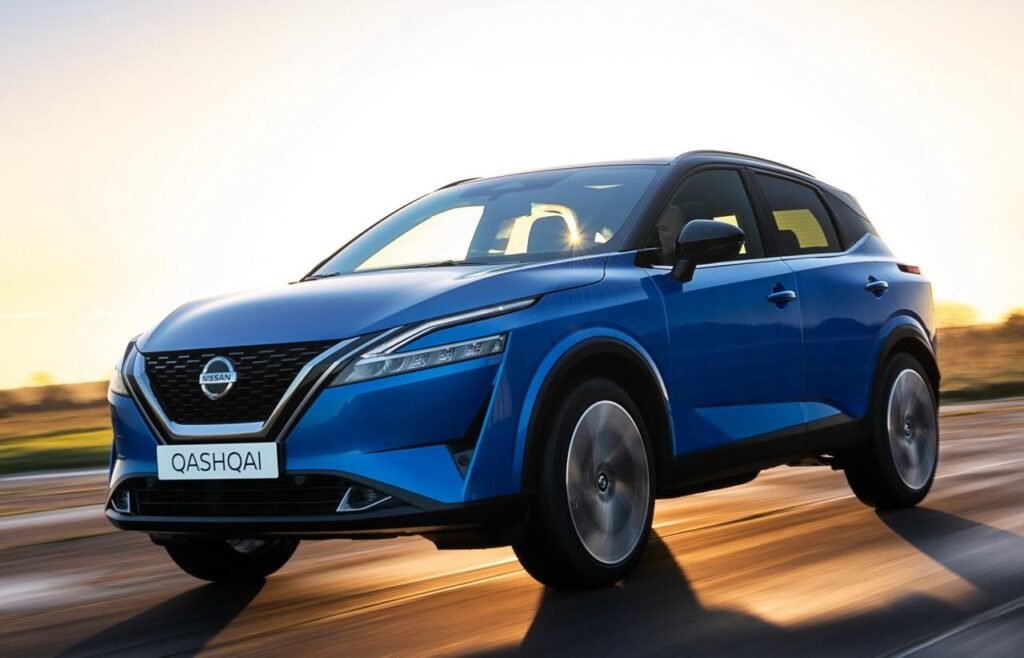
Best Engine Oil for Nissan Qashqai II (2014-2021): Complete Guide for All Engine Types
Introduction: Choosing the Right Engine Oil for Your Nissan Qashqai II
The Nissan Qashqai II, launched in 2014, continued the success of its predecessor by offering refined styling, advanced technology, and versatile practicality. As one of Europe’s best-selling compact crossovers, the second-generation Qashqai appeals to drivers seeking modern features and efficient powertrains. Whether you own a turbocharged gasoline engine or an economical diesel variant, maintaining optimal performance requires using the correct engine oil for your specific powertrain.
The Qashqai II’s engine range reflects modern automotive trends toward downsized turbocharged units delivering strong performance with improved efficiency. Each engine incorporates sophisticated technologies including direct fuel injection, turbocharging, and advanced emissions control systems that demand oils meeting specific performance standards. Understanding these requirements and following proper maintenance procedures ensures your Qashqai II delivers reliable service throughout its operational life.
This guide provides detailed, engine-specific recommendations for every Nissan Qashqai II variant. All recommendations are based on Nissan’s official specifications using ACEA standards and proven oil formulations. We’ll explore which oils to use, identify common issues specific to each engine, and provide maintenance strategies that help your Qashqai II deliver dependable performance.
Understanding ACEA Oil Specifications
Nissan specifies ACEA C3 for turbocharged gasoline engines and ACEA C4 for diesel engines in the Qashqai II. ACEA C3 represents a “mid-SAPS” (Sulfated Ash, Phosphorus, and Sulfur) formulation designed for gasoline engines with catalytic converters and diesel engines with particulate filters. This specification balances reduced ash content for emissions system protection with adequate wear protection for high-pressure components including turbochargers and direct injection systems.
ACEA C4 applies specifically to diesel engines, providing even lower SAPS content essential for diesel particulate filter longevity. The 5W-30 viscosity specified across all Qashqai II engines optimizes fuel efficiency while maintaining adequate protection for modern engine designs with tight manufacturing tolerances.
Complete Oil Recommendation Table
See details
Engine | Type | Power | ACEA Standard | Viscosity | Capacity | Service Interval | Sensitive Points |
|---|---|---|---|---|---|---|---|
1.2 DIG-T | Gasoline | 115 hp | C3 | 5W-30 | 4.3 L | 15,000 km/1 year | Turbocharger |
1.3 DIG-T | Gasoline | 140/160 hp | C3 | 5W-30 | 4.6 L | 15,000 km/1 year | Direct injection |
1.6 DIG-T | Gasoline | 163 hp | C3 | 5W-30 | 4.9 L | 15,000 km/1 year | High-pressure turbo |
1.5 dCi | Diesel | 110 hp | C4 | 5W-30 | 4.5 L | 20,000 km/1 year | DPF system |
1.6 dCi | Diesel | 130 hp | C4 | 5W-30 | 5.3 L | 20,000 km/1 year | Soot deposits |
Best Engine Oil for Nissan Qashqai II Gasoline Engines
1.2 DIG-T 115 hp Engine: The Efficient Turbocharged Four-Cylinder
Technical Specifications:
- Oil capacity: 4.3 liters (with filter replacement)
- Oil filter type: Cartridge-style replaceable element
- Recommended oil: Castrol EDGE 5W-30 C3 (view on Amazon)
- Oil standard: ACEA C3
- Turbocharger type: Single scroll turbocharger
- Service interval: 15,000 km or 1 year (whichever comes first)
The 1.2 DIG-T (Direct Injection Gasoline – Turbo) engine represents Nissan’s downsizing strategy, combining compact displacement with turbocharging to deliver 115 horsepower and strong low-end torque. This four-cylinder engine provides adequate performance for daily driving while achieving impressive fuel economy regularly exceeding 45 miles per gallon in combined driving.
Castrol EDGE 5W-30 C3 provides optimal protection while meeting the mandatory ACEA C3 specification. This fully synthetic oil resists thermal breakdown under elevated temperatures generated by turbocharging and direct injection while maintaining the low ash content essential for catalytic converter protection. The advanced formulation ensures the turbocharger bearing system receives adequate lubrication throughout the service interval.
The turbocharger proves sensitive to oil quality and requires strict adherence to service intervals. Early warning signs of turbo issues include unusual whistling or grinding noises, reduced performance, excessive smoke during acceleration, or oil leakage around turbo seals. Always allow proper engine warm-up before aggressive acceleration and permit a 30-60 second cool-down idle after sustained high-speed driving to protect turbo bearings from heat soak and premature wear.
1.3 DIG-T 140/160 hp Engine: The Modern High-Efficiency Powertrain
Technical Specifications:
- Oil capacity: 4.6 liters (with filter replacement)
- Oil filter location: Top-mounted, accessible from engine bay
- Recommended oil: Castrol EDGE 5W-30 C3 (view on Amazon)
- Oil standard: ACEA C3
- Direct injection pressure: Up to 250 bar
- Service interval: 15,000 km or 1 year (whichever comes first)
The 1.3 DIG-T engine, developed in partnership with Daimler, represents cutting-edge technology delivering between 140 and 160 horsepower depending on variant. This sophisticated four-cylinder combines direct injection, turbocharging, and advanced variable valve timing to provide strong performance across the entire rev range while maintaining excellent fuel economy.
The direct injection system requires quality oil to prevent carbon deposit accumulation on intake valves and injector nozzles. Unlike port injection where fuel washes across intake valves providing cleaning action, direct injection leaves valves exposed to contamination from crankcase vapors. Progressive carbon buildup reduces airflow, causes rough idling, hesitation during acceleration, and potentially engine misfires. Using oils meeting ACEA C3 specifications with robust detergent packages helps minimize deposit formation.
Professional injector cleaning and intake valve inspection every 60,000-80,000 kilometers maintains optimal combustion efficiency. Between professional services, using top-tier gasoline brands with enhanced detergent additives helps slow deposit accumulation rates and maintain performance.
1.6 DIG-T 163 hp Engine: The Performance-Oriented Option
Technical Specifications:
- Oil capacity: 4.9 liters (with filter replacement)
- Oil filter type: Cartridge element
- Recommended oil: Castrol EDGE 5W-30 C3 (view on Amazon)
- Oil standard: ACEA C3
- Turbocharger boost: Up to 1.5 bar maximum pressure
- Service interval: 15,000 km or 1 year (whichever comes first)
The 1.6 DIG-T delivers the strongest gasoline performance in the Qashqai II range, producing 163 horsepower and up to 240 Nm of torque. This four-cylinder turbocharged engine provides genuinely quick acceleration and confident highway passing ability while maintaining reasonable fuel economy for its output level.
The high-pressure turbocharger demands quality oil changed at proper intervals. The turbo operates at extreme rotational speeds exceeding 120,000 RPM and experiences significant thermal stress during aggressive driving. Proper warm-up and cool-down procedures become essential for maximizing turbocharger service life and preventing the expensive failures that can cost thousands in replacement parts and labor.
For vehicles experiencing severe service conditions including frequent spirited driving, consider reducing service intervals to 10,000 kilometers to ensure adequate turbocharger protection. The modest additional cost of more frequent oil changes represents excellent insurance against expensive turbo repairs.
Best Engine Oil for Nissan Qashqai II Diesel Engines
1.5 dCi 110 hp Engine: The Economical Diesel
Technical Specifications:
- Oil capacity: 4.5 liters (with filter replacement)
- Oil filter type: Cartridge-style element
- Recommended oil: Elf Evolution Full-Tech FE 5W-30 (view on Amazon)
- Oil standard: ACEA C4 (Low SAPS)
- DPF equipped: Yes (requires ACEA C4 specification oil)
- Service interval: 20,000 km or 1 year (whichever comes first)
The 1.5 dCi turbocharged diesel represents Renault-Nissan Alliance’s most successful diesel engine, producing 110 horsepower and approximately 260 Nm of torque. This sophisticated four-cylinder diesel delivers exceptional fuel economy regularly exceeding 55 miles per gallon while providing strong low-end torque ideal for crossover applications.
Elf Evolution Full-Tech FE 5W-30 provides optimal protection while meeting the mandatory ACEA C4 Low SAPS specification required for DPF compatibility. This fully synthetic oil balances reduced ash content for particulate filter protection with adequate wear protection for the high-pressure fuel injection system and turbocharger bearings.
The diesel particulate filter requires regular highway driving to promote passive regeneration where accumulated soot burns off at temperatures exceeding 600°C. Vehicles used primarily for short urban trips often cannot achieve conditions necessary for passive regeneration, leading to progressive filter clogging. Incorporate weekly highway sessions of 20-30 minutes at speeds above 70 km/h to maintain DPF health. Never ignore DPF warning lights, as continued operation with a severely clogged filter causes excessive exhaust backpressure that can damage the turbocharger.
Nissan typically recommends DPF replacement or professional cleaning around 100,000-120,000 kilometers depending on driving patterns and maintenance history. Vehicles experiencing primarily highway driving may extend this interval, while urban-driven examples may require earlier attention.
1.6 dCi 130 hp Engine: The Powerful Diesel Variant
Technical Specifications:
- Oil capacity: 5.3 liters (with filter replacement)
- Oil filter location: Top-mounted for easy access
- Recommended oil: Shell Helix Ultra ECT 5W-30 (view on Amazon)
- Oil standard: ACEA C4 (Low SAPS)
- Common rail pressure: Up to 2,000 bar
- Service interval: 20,000 km or 1 year (whichever comes first)
The 1.6 dCi produces 130 horsepower and up to 320 Nm of torque, delivering strong performance while maintaining impressive fuel economy. This four-cylinder turbocharged diesel incorporates advanced common-rail injection operating at extreme pressures to optimize combustion efficiency.
The engine proves sensitive to soot deposits that can accumulate in the EGR system and intake manifold. Progressive contamination leads to reduced performance, increased fuel consumption, and potentially engine management warning lights. Using quality diesel fuel from reputable suppliers and periodic use of diesel fuel system cleaners helps minimize deposit formation rates.
Using exclusively ACEA C4 specification Low SAPS oils represents non-negotiable for DPF-equipped diesel engines. Conventional oils contain higher ash-forming compounds that dramatically accelerate filter clogging and reduce DPF service life, leading to expensive replacement costs.
Complete Oil Change Procedure
Required Tools and Materials:
- Oil filter wrench or appropriate socket
- New oil filter meeting Nissan specifications
- New drain plug crush washer
- Appropriate quantity and specification of engine oil
- Oil drain pan with 6-liter capacity
- Funnel, clean rags, and protective gloves
Procedure:
Warm the engine through a 5-10 minute drive. Position the vehicle on level ground, engage the parking brake, then safely raise and support the front end. Locate the drain plug, place your drain pan beneath it, then carefully loosen. Allow complete draining for 10-15 minutes.
Most Qashqai II engines feature top-mounted cartridge filters accessible from the engine bay. Use the appropriate socket to loosen the filter housing cap, remove the old element, clean the housing thoroughly, then install the new filter ensuring O-rings are properly seated. Reinstall the housing cap torquing to specification (typically 25 Nm).
Clean the drain plug, install a new washer, then reinsert and torque to specification. Lower the vehicle, remove the oil filler cap, and begin adding oil gradually. Add approximately 80% of total capacity initially, check the level after several minutes, then add remaining oil until reaching maximum.
Start the engine and idle for one minute while monitoring the oil pressure warning light. Check for leaks, shut off the engine, wait five minutes, then perform a final level check. Reset the service indicator following your owner’s manual procedure.
Common Problems and Preventive Maintenance
1.2 DIG-T Turbocharger Issues: Observe proper warm-up and cool-down procedures. Use only ACEA C3 specification oils and investigate unusual turbo noises promptly.
1.3 DIG-T Carbon Deposits: Professional intake cleaning every 60,000-80,000 km prevents performance degradation. Use top-tier gasoline with enhanced detergents.
1.6 DIG-T High-Pressure Turbo: Reduce service intervals to 10,000 km under severe service conditions. Monitor for unusual noises or performance changes.
1.5 dCi DPF Clogging: Incorporate weekly highway sessions of 20-30 minutes. Use only ACEA C4 Low SAPS oils and never ignore DPF warning lights.
1.6 dCi Soot Deposits: Use quality diesel fuel and periodic fuel system cleaners. Professional EGR cleaning every 80,000-100,000 km maintains performance.
The Risks of Using Incorrect Engine Oil
Using incorrect oil specifications causes severe consequences including accelerated wear on turbocharger bearings and internal components, thermal breakdown compromising protection, DPF contamination from high-SAPS oils leading to expensive filter replacement, catalytic converter damage from excessive ash accumulation, and potential warranty issues if non-compliant oils cause damage. Always use oils meeting Nissan’s specified ACEA standards.
Conclusion: Protecting Your Nissan Qashqai II Investment
Selecting the correct engine oil represents one of the most important maintenance decisions for your Nissan Qashqai II. Whether you own an efficient 1.2 DIG-T, powerful 1.3/1.6 DIG-T gasoline variant, or economical diesel model, following these recommendations ensures optimal engine protection.
By using oils meeting appropriate ACEA specifications (C3 for gasoline, C4 for diesel), maintaining proper service intervals, and addressing engine-specific maintenance concerns proactively, you can expect hundreds of thousands of kilometers of reliable service. The cost of premium synthetic oil represents excellent insurance against expensive engine damage while preserving the dependable performance that made the Qashqai II a crossover segment leader.
Sources: Nissan Qashqai II Owner’s Manual and Official Service Documentation, Castrol Product Specifications 2024, Elf Evolution Technical Data 2024, Shell Helix Documentation 2024, ACEA Oil Standards
Disclaimer: This guide provides general recommendations based on manufacturer specifications and industry best practices. Always consult your vehicle’s owner’s manual for specific concerns about your individual vehicle.