
Best Engine Oil for Ford Kuga I 2.0 TDCi: Complete Guide
The Ford Kuga I 2.0 TDCi, produced from 2008 to 2012, was Ford Europe’s first compact crossover SUV and became incredibly popular thanks to its diesel efficiency and practical design. Built on the Ford C1 platform shared with the Focus and C-Max, the Kuga I offered European buyers a compelling blend of car-like handling and SUV versatility. The 2.0 TDCi diesel engine represented the overwhelming majority of Kuga sales in Europe, accounting for approximately 95% of all units sold during this generation.
However, this popularity means thousands of high-mileage Kuga I vehicles are still on the roads today, and many owners are discovering that proper oil selection is absolutely critical for longevity—especially given this engine’s well-documented issues with DPF systems, injectors, and turbochargers. This guide will help you choose the right engine oil to maximize your Kuga’s lifespan and minimize expensive repair bills.
Understanding the Ford Kuga I 2.0 TDCi | Guide & Specifications
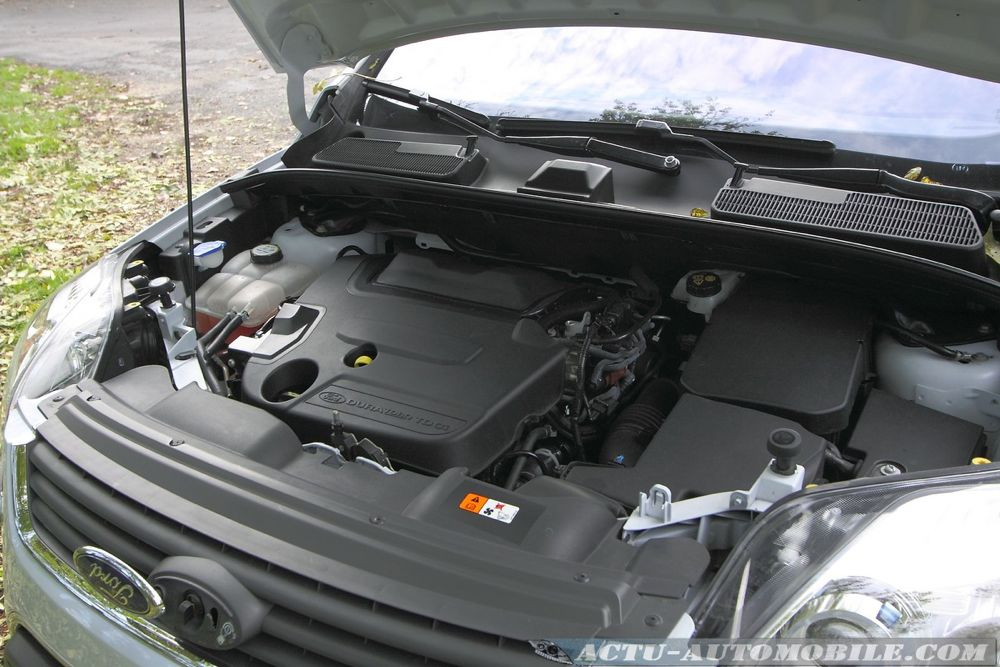
The 2.0 TDCi engine in the Kuga I is actually a PSA-designed unit, part of the DW10 family that was shared across multiple manufacturers including Peugeot, Citroën, Volvo (where it was called D4204T), and Ford. This engine came in three power variants during the Kuga I’s production run:
Engine Code G6DG (2008-2010):
- Power: 136 HP at 4,000 RPM
- Torque: 320 Nm at 2,000 RPM
- Euro 4 emissions standard
Engine Code UFDA (2010-2012):
- Power: 140 HP at 4,000 RPM
- Torque: 320 Nm at 2,000 RPM
- Euro 5 emissions standard
Engine Code TXDA (2010-2012):
- Power: 163 HP at 3,500 RPM
- Torque: 340 Nm at 2,000 RPM
- Euro 5 emissions standard
All variants feature a common rail direct injection system, variable geometry turbocharger, diesel particulate filter, and a timing belt (not a chain). The engine’s PSA heritage means it shares characteristics with engines in vehicles like the Peugeot 308, Citroën C5, and Volvo S60, which is important when considering oil specifications.
Official Oil Specifications for Ford Kuga I 2.0 TDCi
Ford officially recommends the following oil specifications for the Kuga I 2.0 TDCi:
Primary Specification:
- Ford WSS-M2C913-C (earlier models)
- Ford WSS-M2C913-D (later models and recommended upgrade)
Alternative Specifications:
- ACEA A5/B5 (if WSS-M2C913-C/D unavailable)
- ACEA C3 (recommended by many technicians)
- ACEA C2 (PSA specification for same engine)
Approved Viscosity Grades:
- SAE 5W-30 (primary recommendation)
- SAE 5W-40 (acceptable alternative)
- SAE 0W-30 (cold climate option)
Oil Capacity:
- 5.6 liters with filter change
- 5.3 liters without filter change (filter change always recommended)
Recommended Oil: Castrol Magnatec Professional A5 5W-30 (see on Amazon)
The Ford vs. PSA Specification Debate
Here’s where things get interesting and slightly controversial in the Ford diesel community. Ford specifies WSS-M2C913-C/D oils, which are based on ACEA A5/B5. These are full SAPS (Sulphated Ash, Phosphorus, Sulphur) oils designed for fuel efficiency and engine protection.
However, PSA—the actual designer and manufacturer of this engine—specifies ACEA C2 or C3 oils for the same engine when installed in Peugeot and Citroën vehicles. These are mid-SAPS or low-SAPS oils specifically formulated to protect diesel particulate filters over the long term.
This creates a genuine dilemma: Ford’s specification prioritizes immediate engine protection and fuel economy, while PSA’s specification prioritizes long-term DPF health. Given that DPF failure is one of the most common and expensive problems with the Kuga I 2.0 TDCi, many experienced technicians and owners have gravitated toward ACEA C3 oils as a sensible compromise that offers good engine protection while being gentler on the DPF.
Common Problems with the Ford Kuga I 2.0 TDCi Engine
Understanding the engine’s weak points helps explain why oil selection matters so much for this particular engine. Here are the most frequently reported issues:
1. Diesel Particulate Filter (DPF) Problems
This is by far the most common and frustrating issue with the Kuga I 2.0 TDCi. The DPF can become clogged, especially if the vehicle is used primarily for short trips that don’t allow proper regeneration. Common symptoms include:
- Reduced engine power and limp mode activation
- Warning lights (engine malfunction light, DPF warning)
- Difficulty starting the engine
- Excessive black smoke from the exhaust
- Significantly reduced fuel economy
Fault codes P2463 (DPF restriction – soot accumulation), P246B (conditions incorrect for regeneration), and P24A4 (soot accumulation too high) are extremely common. Many owners report that even after professional DPF cleaning or replacement, problems can recur if proper oil isn’t used or if the vehicle continues to operate under conditions that prevent regeneration.
Using a low-SAPS or mid-SAPS oil (ACEA C2 or C3) can significantly extend DPF life by reducing the ash content that accumulates in the filter over time.
2. Fuel Injector Failures
The Kuga I 2.0 TDCi uses Delphi piezo injectors, which are known to fail after approximately 80,000 miles. These injectors are expensive and cannot typically be repaired—only replaced. Symptoms include:
- Rough idling or engine hunting
- Hard starting, especially when cold
- Loss of power
- Excessive fuel consumption
- Strong fuel smell
Failed injectors can leak diesel into the engine oil, diluting it and reducing its protective properties. This is why regular oil analysis or at minimum checking oil level and condition frequently is important on these engines.
3. Turbocharger Issues
Turbo failures are relatively common, often caused by:
- Oil starvation due to delayed oil changes or low oil levels
- Carbon buildup restricting oil supply
- Worn turbo bearings from high mileage
- Heat damage from excessive exhaust temperatures
Symptoms include loss of power, unusual whining or grinding noises, excessive blue smoke from the exhaust, and illuminated warning lights. Using a high-quality synthetic oil with good thermal stability is crucial for turbo longevity.
4. EGR Valve Problems
The Exhaust Gas Recirculation valve becomes clogged with carbon deposits over time, particularly on vehicles doing lots of short trips. This leads to:
- Rough idling and stalling
- Reduced power output
- Increased emissions
- Check engine light activation
Regular oil changes with quality oil help minimize carbon buildup throughout the intake system, though the EGR valve will eventually require cleaning or replacement regardless.
5. Oil Leaks
Oil leaks are commonly reported around the turbocharger, oil cooler, and valve cover gasket. More seriously, there have been recalls related to oil sump cracking due to overheating in certain operating conditions. Maintaining proper oil levels and using oil with good thermal stability helps prevent overheating-related damage.
6. Timing Belt Maintenance
Unlike some Ford diesels that use timing chains, the Kuga I 2.0 TDCi uses a timing belt that must be replaced every 10 years or 160,000 km (100,000 miles), whichever comes first. Failure to replace the belt on schedule can result in catastrophic engine damage as this is an interference engine.
Best Engine Oils for Ford Kuga I 2.0 TDCi
Based on the official specifications, real-world experience from Kuga owners, and the engine’s common problems, here are the top recommended engine oils:
Premium Choices (Ford WSS-M2C913-D Specification)
1. Castrol Magnatec Professional A5 5W-30
- Meets Ford WSS-M2C913-A/B/C/D
- ACEA A5/B5
- Ford’s officially recommended Castrol formulation
- Contains Intelligent Molecules that cling to engine parts
- Excellent cold-start protection
- Widely available at Ford dealers and auto parts stores
- Approximate price: £40-50 per 5 liters
2. Shell Helix Ultra Professional AF 5W-30
- Meets Ford WSS-M2C913-D
- ACEA A5/B5
- Made from Shell PurePlus GTL technology (gas-to-liquid)
- Exceptional purity and thermal stability
- Single-source supply ensures consistency
- Popular choice among Ford technicians
- Approximate price: £45-55 per 5 liters
3. Mobil 1 ESP Formula 5W-30
- Meets multiple Ford specifications
- ACEA C3 (better for DPF than A5/B5)
- Fully synthetic formula
- Excellent wear protection
- Good thermal and oxidation stability
- Approximate price: £50-60 per 5 liters
4. Liqui Moly Special Tec F 5W-30
- Meets Ford WSS-M2C913-C/D
- Hydrocracked synthesis technology
- Very high TBN (11.1 mg KOH/g) for excellent acid neutralization
- Viscosity index of 179 for stable performance
- May require occasional top-up due to 12% evaporation loss
- Approximate price: £45-55 per 5 liters
5. Ravenol FDS SAE 5W-30
- Meets Ford WSS-M2C913-D and Mercedes MB 229.6
- PAO (polyalphaolefin) fully synthetic
- Excellent thermal stability (VI 163)
- Outstanding volatility loss of only 8.9%
- High alkaline reserve (TBN 10.1)
- Approximate price: £50-60 per 5 liters
DPF-Friendly Alternatives (ACEA C2/C3 Specification)
6. Total Quartz Ineo ECS 5W-30
- ACEA C2 specification
- PSA B71 2290 approval (PSA’s own spec for this engine)
- Low-SAPS formulation for extended DPF life
- Recommended by PSA for the same DW10 engine
- Excellent for vehicles with DPF issues
- Approximate price: £40-50 per 5 liters
7. Motul Specific 913D 5W-30
- Meets Ford WSS-M2C913-A/B/C/D
- Technosynthese formulation
- Excellent price-to-performance ratio
- Good thermal protection
- Popular in the Ford diesel community
- Approximate price: £35-45 per 5 liters
8. Fuchs Titan Supersyn F ECO-DT 5W-30
- Meets Ford WSS-M2C913-C/D
- ACEA A5/B5
- Specially formulated for Ford Duratorq diesels
- Excellent fuel economy benefits
- Good track record with Ford TDCi engines
- Approximate price: £40-50 per 5 liters
Budget-Friendly Options (Still Meeting Specifications)
9. Mannol O.E.M. for Ford 7707 5W-30
- Meets Ford WSS-M2C913-A/B/C/D
- ACEA C3
- Mercedes MB 229.6 and Volvo approvals
- Good value for money
- Suitable for high-mileage vehicles
- Approximate price: £25-35 per 5 liters
10. Comma X-Flow Type F 5W-30
- Meets Ford WSS-M2C913-C
- ACEA A5/B5
- UK-manufactured
- Budget-friendly option from established brand
- Widely available in UK auto parts stores
- Approximate price: £25-35 per 5 liters
Oil Selection Strategy: What Should You Choose?
Your best choice depends on your specific situation:
For vehicles with DPF problems or high mileage (over 100,000 km):
Choose an ACEA C3 oil like Mobil 1 ESP Formula, Mannol O.E.M. 7707, or an ACEA C2 oil like Total Quartz Ineo ECS. The lower SAPS content will help protect your DPF while still providing adequate engine protection.
For normal driving with regular motorway use:
Stick with Ford’s recommended WSS-M2C913-D oils like Castrol Magnatec Professional A5, Shell Helix Ultra Professional AF, or Liqui Moly Special Tec F. These provide excellent engine protection and fuel economy.
For cold climates (below -20°C regularly):
Consider a 0W-30 viscosity oil meeting ACEA A5/B5 specifications for better cold-start protection.
For vehicles used for towing or heavy loads:
A 5W-40 ACEA A3/B4 oil might provide better protection under sustained high loads, though you should verify this won’t negatively impact your DPF.
For budget-conscious owners:
Mannol O.E.M. 7707 or Comma X-Flow Type F offer good protection at lower prices, as long as they meet the required specifications.
Recommended Oil Change Intervals
Ford officially recommends oil changes every 15,000 km (approximately 9,300 miles) or 12 months, whichever comes first. However, based on extensive real-world experience with these engines, most independent mechanics and knowledgeable owners recommend more conservative intervals:
Ideal Interval: 10,000 km (6,200 miles) or 12 months
This shorter interval is recommended because:
- DPF Protection: More frequent changes mean less ash accumulation in the DPF
- Injector Longevity: Fresh oil is less likely to be contaminated by fuel from leaking injectors
- Turbo Protection: Shorter intervals ensure oil hasn’t degraded before it needs to protect hot turbo bearings
- Driving Patterns: Most Kuga I vehicles are now used for mixed driving including short trips, which is harder on oil
Minimum Acceptable Interval: 12,000 km (7,500 miles)
Never exceed 15,000 km between oil changes, even if this is Ford’s official recommendation. The marginal cost savings aren’t worth the significantly increased risk of expensive engine or DPF failures.
Oil Change Interval Adjustments:
Reduce intervals to 8,000 km if you:
- Drive mostly short trips (under 10 km per trip)
- Operate in dusty or very hot conditions
- Use the vehicle for towing or carrying heavy loads regularly
- Notice any oil consumption or fuel dilution
Extend intervals up to 12,000 km only if you:
- Drive primarily motorway miles
- Use top-tier fully synthetic oil
- Have confirmed the DPF is regenerating properly
- Check oil level and condition regularly between changes
Additional Maintenance Tips for Longevity
Proper oil selection is crucial, but it’s only one part of maintaining your Kuga I 2.0 TDCi properly:
Regular DPF Regeneration: Take your Kuga on a 30-minute motorway run every two weeks at 70 mph (110 km/h) to allow proper DPF regeneration.
Monitor Oil Level: Check weekly for consumption or fuel dilution (oil smells like diesel, level rising).
Use Quality Fuel: Poor fuel contributes to injector problems. Use major brands and add injector cleaner every 5,000 km.
Address Warning Lights: Don’t ignore DPF warnings—continuing to drive can cause complete filter blockage.
Timing Belt: Replace at 160,000 km or 10 years maximum. This is an interference engine—belt failure means destruction.
Service Records: Document all maintenance for diagnosis and resale value.
High-Mileage Considerations (Over 150,000 km)
For high-mileage Kuga I diesels, consider these recommendations:
Thicker Oil: If experiencing wear (oil consumption, valve noise), switch to 5W-40 ACEA C3. Monitor DPF carefully.
Shorter Intervals: Reduce to 8,000 km oil changes for worn engines.
Oil Analysis: Send samples for analysis to detect bearing wear, coolant contamination, or fuel dilution early.
Monitor Components: Watch for turbo issues, oil leaks at gaskets, and maintain proper levels to prevent damage.
Frequently Asked Questions
Can I use 5W-40 or 0W-30 instead of 5W-30?
Yes. 5W-40 ACEA A3/B4 or C3 provides better protection in hot climates or high-mileage engines but may reduce fuel economy. 0W-30 ACEA A5/B5 is recommended for cold climates below -20°C.
Can I mix oil brands?
While acceptable if both meet the same specifications (e.g., ACEA A5/B5), it’s better to stick with one brand for consistency.
What if I can’t find WSS-M2C913-D oil?
Use any 5W-30 meeting ACEA A5/B5, or preferably ACEA C3 for better DPF protection. WSS-M2C913-D is essentially Ford’s version of ACEA A5/B5.
Is synthetic oil necessary?
Fully synthetic provides significantly better protection, especially for the turbocharger. Given repair costs, synthetic is worthwhile.
How do I know if my DPF is regenerating?
During regeneration: increased fan noise, elevated idle RPM, slight fuel economy decrease, sometimes burning smell. If you never notice these signs despite motorway driving, DPF may not be regenerating properly.
Conclusion
The Ford Kuga I 2.0 TDCi can provide many years of reliable service with proper maintenance, particularly correct oil selection and intervals. The PSA DW10 engine is fundamentally sound, but its DPF, injector, and turbocharger systems demand quality lubrication.
For most owners, a 5W-30 oil meeting Ford WSS-M2C913-C/D or ACEA C3, changed every 10,000 km, offers the best balance of protection, DPF longevity, and cost-effectiveness. If you’ve experienced DPF problems, lean toward ACEA C2 or C3 oils.
Expensive repairs can cost £1,500-3,000 or more. Spending extra on premium oil and more frequent changes is cheap insurance. Your Kuga’s longevity depends on maintenance quality—choose the right oil and it will serve you well for many more miles.