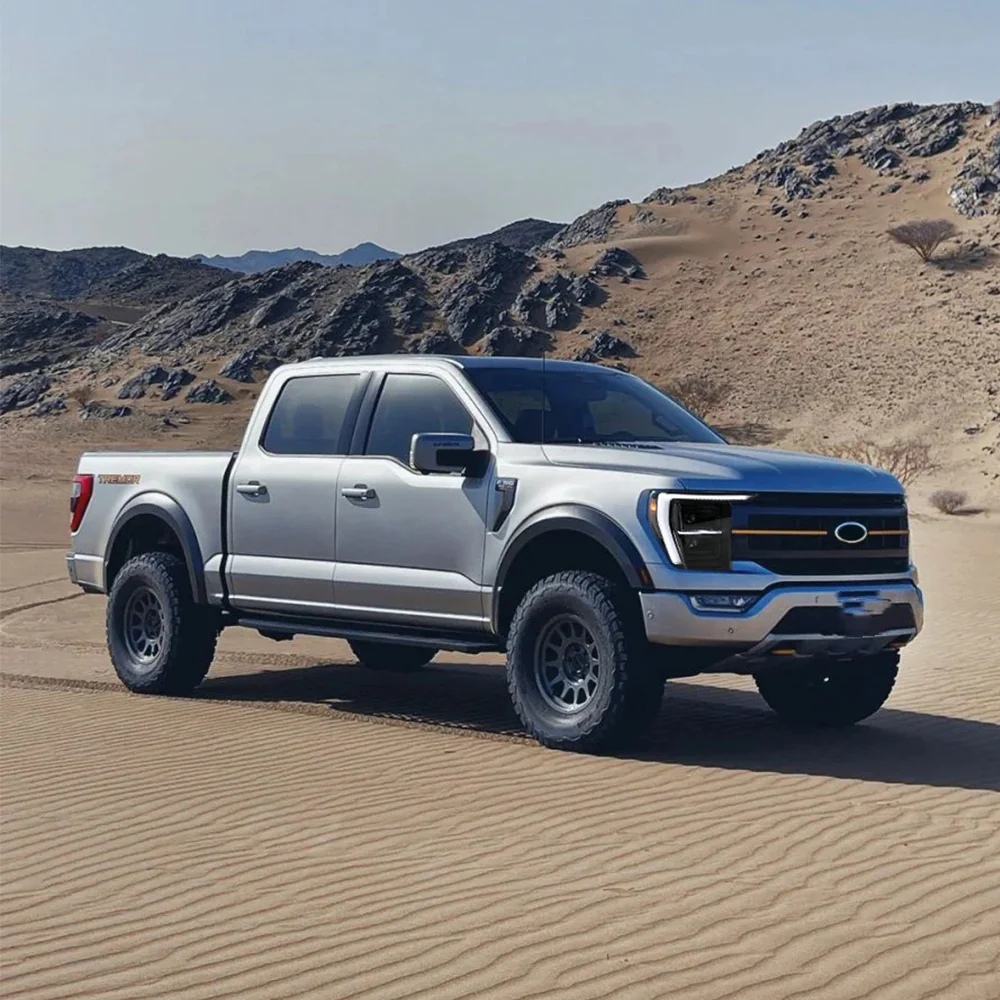
Best Engine Oil for Ford F-150 2.7L EcoBoost: Complete Guide
The Ford 2.7L EcoBoost requires SAE 5W-30 full synthetic oil meeting Ford specification WSS-M2C946-B1 (or WSS-M2C961-A1 for 2018+). Oil capacity is 6.0 quarts with filter. The best oils are Pennzoil Platinum, Mobil 1, or Motorcraft Synthetic Blend. Critical: Change oil every 5,000 miles maximum to combat fuel dilution—the 2.7’s biggest weakness. This twin-turbo V6 offers excellent power and efficiency but demands frequent oil changes to prevent oil thinning from gasoline contamination.
Unlike the naturally aspirated 5.0L Coyote (reliable, simple) or even the larger 3.5L EcoBoost (more proven), the 2.7L EcoBoost is particularly sensitive to oil quality and change intervals due to fuel dilution—a phenomenon where gasoline mixes with engine oil, reducing its protective properties.
This guide covers the best oils for your 2.7L EcoBoost, explains its most significant problem (fuel dilution), details all common issues, and provides maintenance strategies to maximize this engine’s 150,000+ mile potential.
Quick Answer: Official Ford Specifications
Oil Specifications by Generation:
Gen 1 (2015-2017):
- Viscosity: SAE 5W-30
- Ford Specification: WSS-M2C946-B1
- Oil Capacity: 6.0 quarts with filter
- Critical Issue: Direct injection only = carbon buildup + fuel dilution
Gen 2 (2018-Present):
- Viscosity: SAE 5W-30
- Ford Specification: WSS-M2C961-A1 (API SP, ILSAC GF-6A)
- Oil Capacity: 6.0 quarts with filter
- Improvement: Dual injection (port + direct) = reduced carbon buildup
For Extreme Cold:
- 0W-30 recommended below -22°F (-30°C)
IMPORTANT: Some owners use 5W-40 or 0W-40 to combat fuel dilution, but this voids warranty and may reduce cold-start protection. Stick with 5W-30 and shorten intervals instead.
Best Engine Oils for Ford F-150 2.7L EcoBoost
Based on Ford specifications, fuel dilution resistance, turbo protection, and real-world owner experience:
Top Tier Full Synthetic Choices
1. Pennzoil Platinum Full Synthetic 5W-30
- Meets Ford WSS-M2C946-B1 / WSS-M2C961-A1
- PurePlus technology (natural gas base)
- Excellent resistance to fuel dilution
- Superior turbo protection
- Popular choice among EcoBoost owners
- Approximate price: $28-35 per 5 quarts
2. Mobil 1 Advanced Full Synthetic 5W-30
- Meets all Ford specifications
- Proven turbo protection
- Maintains viscosity well despite fuel dilution
- Widely available
- Approximate price: $30-40 per 5 quarts
3. Motorcraft Full Synthetic 5W-30
- Official Ford oil, guaranteed warranty protection
- Meets all specifications
- Good performance for the price
- Approximate price: $28-35 per 5 quarts
4. Valvoline Advanced Full Synthetic 5W-30
- Meets Ford specifications
- Good thermal stability
- Competitive pricing
- Anti-wear additives
- Approximate price: $25-32 per 5 quarts
5. Castrol Edge Full Synthetic 5W-30
- Meets Ford specifications
- Fluid Titanium technology
- Good film strength
- Resists shear from turbos
- Approximate price: $28-35 per 5 quarts
Premium Options for Fuel Dilution Resistance
6. Amsoil Signature Series 5W-30
- Exceeds Ford specifications
- Superior resistance to fuel dilution
- Extended drain capability (but DON’T with EcoBoost!)
- Excellent turbo protection
- Approximate price: $45-55 per 5 quarts
7. Royal Purple 5W-30
- Enhanced anti-wear protection
- Good for turbocharged engines
- Resists thermal breakdown
- Approximate price: $40-50 per 5 quarts
8. Liqui Moly 5W-30
- German engineering
- Excellent for turbos
- Premium quality
- Approximate price: $40-50 per 5 quarts
Alternative Viscosity (Use with Caution)
9. Mobil 1 0W-40 European Formula
- NOT Ford-specified but used by some owners
- Better resistance to fuel dilution thinning
- May reduce cold-start protection slightly
- Voids warranty if used exclusively
- Approximate price: $35-48 per 5 quarts
10. Pennzoil Euro L 5W-40
- Thicker oil to combat dilution
- Good for high-mileage engines
- Not Ford-approved
- Approximate price: $30-40 per 5 quarts
Understanding the 2.7L EcoBoost Generations
Ford has produced two generations of the 2.7L EcoBoost, with significant improvements in Gen 2:
Generation 1 (2015-2017)
Applications: 2015-2017 Ford F-150, Edge Sport, Fusion Sport, Lincoln MKX, Continental
Power: 325 HP / 375 lb-ft (F-150), 335 HP / 380 lb-ft (other applications)
Oil Spec: 5W-30, WSS-M2C946-B1
Oil Capacity: 6.0 quarts with filter
Key Characteristics:
- Twin-turbocharged V6
- Direct injection ONLY (no port injection)
- Single timing chain design
- Compacted graphite iron block (lightweight, strong)
- Aluminum heads
- Water-cooled turbochargers
- Plastic oil pan
Known Issues:
- Severe fuel dilution (direct injection contributes)
- Carbon buildup on intake valves
- Blue smoke on startup (valve guide defect 2016-2017)
- Oil pan leaks (plastic pan warps)
- Timing chain tensioner wear
- Turbo oil supply tube leaks
Generation 2 (2018-Present)
Applications: 2018+ Ford F-150, Bronco, Edge ST, Lincoln Nautilus
Power: 325 HP / 400 lb-ft (F-150), 335 HP / 380 lb-ft (other applications)
Oil Spec: 5W-30, WSS-M2C961-A1
Oil Capacity: 6.0 quarts with filter
Major Improvements:
- Dual injection: Port injection + direct injection
- Dual timing chain (more reliable than single chain)
- New turbochargers with electronic wastegate
- Variable-displacement oil pump
- Improved EGR system
- Better valve guides (fixed 2016-2017 defect)
- Updated head gasket design
Issues Addressed:
- Reduced carbon buildup (port injection cleans valves)
- Improved fuel dilution (still present but better)
- More reliable timing chain system
- Fewer oil pan leaks
- Better oil consumption
Remaining Issues:
- Fuel dilution still occurs (nature of DI turbos)
- Some 2021-2022 models: valve fracture recall (NHTSA 24V635000)
Identifying Your 2.7L EcoBoost Generation
VIN Method (8th digit):
- “P” = 2.7L EcoBoost V6
Visual Inspection:
- Single timing chain cover = Gen 1
- Dual timing chain cover = Gen 2
- Intake manifold shape = Different between generations
Model Year:
- 2015-2017 = Gen 1
- 2018+ = Gen 2
Check engine bay label for oil specification:
- WSS-M2C946-B1 = Gen 1
- WSS-M2C961-A1 = Gen 2
The 2.7L EcoBoost’s Biggest Problem: OIL DILUTION
THIS IS CRITICAL TO UNDERSTAND. Unlike most engine problems, fuel dilution is an inherent characteristic of direct-injection turbocharged engines, especially when driven certain ways.
What is Oil Dilution?
Fuel dilution occurs when unburned gasoline seeps past piston rings and mixes with engine oil in the crankcase. The gasoline thins the oil, reducing its viscosity and protective properties.
Example: Your 5W-30 oil becomes 5W-20 or thinner, providing inadequate protection for turbochargers, bearings, and timing components.
Why the 2.7L EcoBoost is Particularly Affected
- Direct injection: Fuel sprayed directly into combustion chamber at high pressure
- Turbos create cylinder pressure: Pushes unburned fuel past rings
- Cold starts: Rich fuel mixture when cold = more fuel bypasses rings
- Short trips: Engine never reaches full operating temperature to burn off dilution
How to Detect Fuel Dilution
Symptoms:
- Oil smells like gasoline (obvious fuel odor when checking dipstick)
- Oil level RISES on dipstick between changes (fuel adds volume)
- Oil appears thinner, less viscous
- Engine feels noisier, less smooth
- Oil analysis shows >3-5% fuel content
Check Method:
- Check oil level when cold (before starting)
- Note level position on dipstick
- After 1-2 weeks, check again
- If level has RISEN = fuel dilution confirmed
- Smell oil on dipstick = gasoline odor confirms
Driving Conditions That Cause Severe Dilution
HIGH RISK (severe dilution):
- Commutes under 10 miles each way
- Cold weather driving (below 32°F)
- Frequent cold starts
- City driving, stop-and-go traffic
- Engine never reaches 200°F+ oil temp
- Truck sits overnight in garage (50-60°F), 7-mile commute
LOW RISK (minimal dilution):
- Highway driving (30+ miles continuous)
- Engine reaches full operating temperature
- Warm climate operation
- Longer trips allow fuel to evaporate from oil
Fuel Dilution Test Results
Real-world Blackstone Labs oil analysis from 2.7L EcoBoost owners:
5,000-mile interval, mostly short trips:
- Fuel content: 3-5%
- Viscosity: 5W-30 dropped to 5W-22 equivalent
- Recommendation: Shorten interval to 3,500 miles
7,500-mile interval, highway miles:
- Fuel content: 1-2%
- Viscosity: Still within 5W-30 range
- Recommendation: 7,500 acceptable for this usage
10,000-mile interval, mixed driving:
- Fuel content: 4-7%
- Viscosity: 5W-30 dropped to 5W-18 equivalent
- Recommendation: DANGEROUS, severe bearing wear risk
Why Fuel Dilution is Dangerous
- Thins oil viscosity: 5W-30 becomes 5W-20 or thinner
- Reduces film strength: Bearings lose protection
- Turbo damage: Turbos spin 100,000+ RPM, need thick oil
- Timing chain wear: Thin oil = poor tensioner hydraulic pressure
- Bearing wear: Crankshaft/camshaft bearings suffer
- Oil pump strain: Thinner oil doesn’t build pressure properly
Solutions to Combat Fuel Dilution
SOLUTION 1: Shorten Oil Change Intervals (MOST IMPORTANT)
- Short trips / cold weather: 3,000-4,000 miles
- Mixed driving: 5,000 miles
- Highway / warm weather: 7,500 miles maximum
- NEVER exceed 5,000 miles if doing short trips
SOLUTION 2: Drive Longer Trips Regularly
- Take 30+ minute highway drives weekly
- Allows oil temp to reach 200°F+ to evaporate fuel
- “Italian tune-up” burns off contamination
SOLUTION 3: Let Engine Warm Up Longer
- Idle 1-2 minutes before driving (controversial but helps)
- Drive gently until oil temp reaches 180°F+
- Avoid boost/hard acceleration when cold
SOLUTION 4: Use Premium Full Synthetic Oil
- Better resistance to shear than conventional
- Maintains viscosity better with fuel present
- Costs $10-15 more per change = cheap insurance
SOLUTION 5: Consider Thicker Oil (Controversial)
- Some owners use 5W-40 or 0W-40
- Voids warranty, reduces cold-start protection
- Better option: Stick with 5W-30, change more often
SOLUTION 6: Oil Analysis Testing
- Send sample to Blackstone Labs ($30)
- Confirms fuel dilution percentage
- Tells you if interval is appropriate
- Worth doing once to determine YOUR interval
Gen 2 Improvements
The 2018+ Gen 2 with dual injection (port + direct) has LESS fuel dilution because:
- Port injection washes intake valves with fuel
- Reduces reliance on direct injection
- Better fuel atomization
- Still occurs, but 20-30% less severe than Gen 1
Other Common Problems with the 2.7L EcoBoost
While fuel dilution is #1, here are other issues:
2. Carbon Buildup on Intake Valves (Gen 1 ONLY)
The Problem: Direct injection sprays fuel into combustion chamber, so NO fuel washes over intake valves. Oil vapors from PCV system bake onto hot valves, forming carbon deposits.
Symptoms:
- Rough idle, especially when cold
- Hesitation during acceleration
- Misfires (codes P0300-P0306)
- Reduced power
- Poor fuel economy
- Occurs around 80,000-120,000 miles
Frequency: COMMON on Gen 1 (2015-2017), RARE on Gen 2 (2018+)
Cost: Walnut blasting service: $400-600
Why Gen 2 Fixed This: Port injection added in 2018+ washes valves with fuel, preventing buildup
Prevention (Gen 1):
- Use Top Tier gasoline (Chevron, Shell, Mobil)
- Install oil catch can ($200-400) to trap vapors
- Fuel system cleaner every 5,000 miles
- Walnut blast preventively at 100,000 miles
Solution:
- Walnut blasting ($400-600)
- Chemical cleaning (less effective)
- Replace intake valves (severe cases, $1,200+)
3. Blue Smoke on Startup / Oil Consumption (2016-2017 Specific)
The Problem: Ford manufactured 2016-2017 F-150s (April 2016 – January 2017) with defective cylinder head valve guides. Guides wear prematurely, allowing oil to leak into combustion chamber and burn.
Symptoms:
- Blue or white smoke on cold start
- Smoke disappears after 1-2 minutes driving
- Excessive oil consumption (1 quart per 1,000-3,000 miles)
- Rough idle after hot restart
- Fouled spark plugs
- Codes: P0300, P0301-P0306, P0316, P0524, P06DD
Frequency: VERY COMMON on affected build dates
Cost: Cylinder head replacement or new long block under warranty, otherwise $4,000-8,000
Ford’s Response: TSB 17-0007 and later TSB 19-2384 cover free repair
Solution:
- Contact Ford dealer immediately
- TSB covers cylinder head replacement
- Some cases required complete new engine
- Gen 2 (2018+) fixed valve guide design
If You’re Buying Used:
- AVOID 2016-2017 built April 2016 – January 2017 unless TSB completed
- Verify repair history
- Check build date on door jamb sticker
4. Oil Pan Leaks (Gen 1: 2015-2017)
The Problem: Gen 1 used plastic oil pan sealed with RTV (silicone). Heat cycles cause pan to warp and RTV to degrade, resulting in leaks.
Symptoms:
- Oil spots on driveway
- Oil visible on underbody
- Low oil level requires frequent top-ups
- Felt skid plate absorbs oil (hides leak)
Frequency: COMMON on Gen 1, especially after 60,000+ miles
Cost: $300-600 for pan and labor
Ford’s Response: TSB issued for revised pan design
Solution:
- Replace with updated metal pan (better) or new plastic pan
- Use proper RTV sealant application
- Gen 2 (2018+) has improved pan design
5. Turbo Oil Supply Tube Leak (Blue Smoke)
The Problem: Oil supply tube feeding driver’s side turbocharger has defective O-ring design. Allows oil to drip into hot turbo housing, burns on startup creating blue smoke.
Symptoms:
- Blue smoke on COLD start only
- Smoke lasts 30-60 seconds then clears
- No oil consumption otherwise
- Occurs after truck sits overnight
Frequency: Relatively common, various years
Cost: $150-300 for tube replacement
Ford’s Response: TSB issued with updated tube (single O-ring vs. dual)
Solution:
- Replace turbo oil supply tube with updated part
- Simple repair, easily accessible
- NOT the same as valve guide issue (different smoke pattern)
6. Timing Chain Issues (Gen 1 MORE LIKELY)
The Problem: Gen 1 used single timing chain with tensioners that could wear prematurely. Tensioner weakens, chain develops slack, causes rattling and potential timing issues.
Symptoms:
- Rattling noise on cold start
- Noise disappears when warm
- Codes: P0016, P0017 (cam/crank correlation)
- Severe cases: Check engine light, rough running
Frequency: Less common than 3.5L EcoBoost, but occurs on neglected Gen 1 engines
Cost: $1,500-2,500 for timing chain service
Why Gen 2 is Better: Dual timing chain system (2018+) more reliable
Prevention:
- Change oil every 5,000 miles (CRITICAL)
- Use quality synthetic oil
- Avoid extended intervals
- Listen for rattles during startup
Solution:
- Replace timing chains, tensioners, guides
- Gen 1 high-mileage: Consider preemptive replacement at 150,000 miles
7. Head Gasket Failures (Less Common)
The Problem: Some owners report head gasket failures causing coolant leaks or mixing of oil and coolant.
Symptoms:
- Coolant loss, no visible leaks
- White smoke from exhaust
- Overheating
- Milky oil (coolant contamination)
- Oil in coolant reservoir
Frequency: UNCOMMON, mainly high-mileage or overheated engines
Cost: $1,500-2,500 for head gasket replacement
Prevention:
- Maintain cooling system
- Fix coolant leaks promptly
- Don’t overheat engine
- Gen 2 has updated gasket design
8. Turbocharger Failures (Rare with Proper Maintenance)
The Problem: Turbos can fail due to inadequate lubrication, fuel dilution thinning oil, or debris.
Symptoms:
- Whining or grinding noise
- Loss of boost pressure
- Blue or black smoke
- Reduced power
- Turbo lag
Frequency: RARE if oil changed regularly
Cost: $1,200-2,000 per turbo (two turbos total)
Prevention:
- Change oil every 5,000 miles
- Use quality full synthetic
- Let engine idle 30 seconds after hard driving
- Combat fuel dilution
9. Ignition Coil / Spark Plug Failures (Normal Maintenance)
The Problem: Ignition coils and spark plugs wear out over time.
Symptoms:
- Misfires
- Rough idle
- Check engine light (P0300-P0306)
- Reduced power
Frequency: NORMAL maintenance item
Cost: Spark plugs: $100-150, Coils: $300-500
Solution:
- Replace spark plugs every 60,000-100,000 miles
- Replace coils as needed (usually 100,000+ miles)
10. 2021-2022 Intake Valve Fracture Recall
The Problem: Some 2021-2022 2.7L and 3.0L EcoBoost engines have defective intake valves that can fracture and fall into cylinder.
Affected Models: 2021-2022 F-150, Bronco, Edge, Explorer, Lincoln Nautilus, Aviator
NHTSA Campaign: 24V635000 (August 2024)
Symptoms: Engine damage, loss of power, catastrophic failure
Solution: FREE inspection and valve replacement at Ford dealer
CRITICAL: If you own 2021-2022 2.7L EcoBoost, check recall status NOW
Recommended Oil Change Intervals
Ford’s Official Recommendation:
- Normal service: 7,500-10,000 miles (Intelligent Oil Life Monitor)
- Severe service: 5,000 miles
Our Recommendations Based on Fuel Dilution Risk:
Short Trips / Cold Weather (SEVERE DILUTION RISK):
3,000-4,000 miles maximum
If you:
- Commute under 10 miles each way
- Live in cold climate (below 40°F regularly)
- Do frequent cold starts
- Park outdoors
- Rarely take highway trips
Why: Fuel dilution is SEVERE with this usage pattern. Oil thinning happens quickly.
Mixed Driving:
5,000 miles
If you:
- Mix short trips and highway driving
- Some cold starts, some warm weather
- Moderate climate
- Occasional longer trips
Why: Balanced approach prevents fuel dilution damage while remaining economical.
Highway / Warm Weather:
7,500 miles maximum
If you:
- Drive mostly highway miles
- Live in warm climate
- Take long trips regularly
- Engine reaches full operating temp
Why: Highway driving burns off fuel dilution, but 7,500 is still safer than Ford’s 10,000.
NEVER Exceed These Limits:
- Gen 1 (2015-2017): 5,000 miles regardless of usage
- Gen 2 (2018+): 7,500 miles maximum
- Turbo engines: NEVER 10,000+ miles
Oil Analysis Recommendation:
Send sample to Blackstone Labs ($30) after first 5,000-mile interval. Results will tell you if YOUR driving pattern requires shorter or can extend slightly.
Synthetic vs. Conventional Oil
For the 2.7L EcoBoost, full synthetic is MANDATORY:
Why Full Synthetic is Required:
- Turbocharger Protection: Turbos spin 100,000+ RPM, create extreme heat
- Fuel Dilution Resistance: Synthetic maintains viscosity better when thinned by gas
- Thermal Stability: Handles turbo heat without breaking down
- Longer Service Life: Maintains protection longer (though still change at 5,000)
- Cold Weather Performance: Flows better at startup
DO NOT Use Conventional Oil:
- Breaks down too quickly with turbos
- Cannot handle fuel dilution
- Thermal degradation leads to turbo failure
- Voids Ford warranty
Motorcraft Synthetic Blend:
Ford’s Motorcraft is synthetic BLEND, not full synthetic. It meets specifications and works, but full synthetic (Pennzoil Platinum, Mobil 1) provides extra protection margin critical for combating fuel dilution.
Cost Comparison:
- Motorcraft Synthetic Blend: $30-40 per change
- Full Synthetic (Pennzoil, Mobil 1): $35-50 per change
- Extra cost: $20-30/year for superior protection
Given turbo replacement costs $2,000-4,000, full synthetic is cheap insurance.
Special Considerations for High-Mileage 2.7L EcoBoost (100,000+ Miles)
If your 2.7L has exceeded 100,000 miles:
1. Stick with 5W-30 viscosity
- Do NOT switch to 10W-30 (too thick for turbos)
- Some owners use 5W-40 or 0W-40 (voids warranty)
- Best option: Stay 5W-30, shorten intervals to 4,000 miles
2. Address fuel dilution aggressively
- 4,000-mile intervals regardless of driving
- Oil analysis every other change
- Monitor oil level monthly
3. Consider catch can installation
- Reduces oil vapors entering intake (less carbon)
- Reduces crankcase pressure
- $200-400 installed
4. Preventive maintenance
- Carbon cleaning (walnut blast) if Gen 1
- Inspect timing chain components
- Replace spark plugs, coils
- Check for oil leaks (pan, valve covers)
5. Monitor for problems
- Listen for turbo noises (whining, grinding)
- Check for blue smoke on startup
- Watch coolant level (head gasket)
- Monitor oil consumption
6. Plan for potential repairs
- Turbo replacement: $1,200-2,000 each
- Timing chain service: $1,500-2,500
- Carbon cleaning: $400-600
- Oil pan: $300-600
Frequently Asked Questions
Why does my 2.7L EcoBoost oil smell like gas?
Fuel dilution is inherent to direct-injection turbocharged engines. Gasoline seeps past piston rings into oil. Change oil every 5,000 miles maximum to prevent damage.
Can I use 5W-40 instead of 5W-30 to combat fuel dilution?
Some owners do this, but it voids warranty and may reduce cold-start protection. Better solution: Use 5W-30 and change every 3,000-5,000 miles depending on driving.
Is Gen 2 (2018+) better than Gen 1 (2015-2017)?
YES. Gen 2 added port injection (reduces carbon), dual timing chain (more reliable), fixed valve guide defect, and has less severe fuel dilution. Strongly prefer 2018+ if buying used.
Should I avoid 2016-2017 2.7L completely?
Avoid 2016-2017 built April 2016 – January 2017 UNLESS the valve guide TSB has been completed. Check service records carefully. 2018+ is safer bet.
What oil change interval should I use for short commutes?
3,000-4,000 miles. Short trips cause severe fuel dilution. Do NOT follow Ford’s 10,000-mile recommendation.
How do I know if I have fuel dilution?
Oil smells like gasoline, level rises on dipstick between changes, oil appears thin. Send sample to Blackstone Labs for confirmation.
Is the 2.7L EcoBoost reliable?
With proper maintenance (frequent oil changes, quality oil), yes—150,000+ miles is achievable. Neglect fuel dilution = expensive repairs. Gen 2 (2018+) is more reliable.
What’s better: 2.7L EcoBoost or 5.0L Coyote?
5.0L Coyote is more reliable (no turbos, no fuel dilution, simpler). 2.7L gets better MPG and has more low-end torque. If you value reliability > efficiency, choose 5.0L.
Can I extend oil changes to 10,000 miles with synthetic?
NO. Fuel dilution thins oil regardless of synthetic quality. 10,000 miles = severe bearing wear, turbo damage risk. Maximum 7,500 highway miles, 5,000 typical.
What oil filter should I use?
Motorcraft FL-2062. Quality alternatives: Fram Ultra XG2062, Wix XP57060, Royal Purple, Amsoil.
Conclusion: Protecting Your 2.7L EcoBoost Investment
The Ford 2.7L EcoBoost is a remarkable engine—powerful, efficient, and capable when properly maintained. However, it demands more attention than naturally aspirated engines like the 5.0L Coyote due to fuel dilution and turbocharger demands.
The non-negotiable rules:
- Use 5W-30 full synthetic oil (Pennzoil Platinum, Mobil 1 recommended)
- Change oil every 5,000 miles MAXIMUM (3,000-4,000 for short trips)
- NEVER ignore fuel dilution (check oil level monthly, smell for gasoline)
- Prefer Gen 2 (2018+) over Gen 1 if buying used
- Avoid 2016-2017 built April-October 2016 unless valve guide TSB completed
- Check 2021-2022 recall status for intake valve fracture
The payoff:
Following these guidelines, your 2.7L EcoBoost will deliver:
- 150,000-200,000+ miles with proper care
- Excellent power and torque for towing/hauling
- Better fuel economy than 5.0L V8
- Lower repair costs than 3.5L EcoBoost (smaller, simpler turbos)
The cost:
Optimal maintenance costs approximately $250-400/year (oil changes every 5,000 miles @ $50-80 each, 5-6 changes/year for 30,000 miles/year). This is $100-200 more per year than the 10,000-mile intervals Ford recommends, but it prevents:
- Turbo replacement: $2,000-4,000
- Timing chain service: $1,500-2,500
- Engine bearing damage: $3,000-8,000
The bottom line:
The 2.7L EcoBoost is NOT a “set it and forget it” engine like the 5.0L Coyote. It requires active maintenance and attention to fuel dilution. But for owners willing to invest in frequent oil changes and quality fluids, it’s a capable, efficient engine that balances performance and economy remarkably well.
Choose quality oil, change it frequently, monitor for fuel dilution, and your 2.7L will reward you with years of turbocharged performance.