
Best Engine Oil for Kia Sportage 4 1.6 CRDi 115/136 HP
The Kia Sportage 4 (QL) with the 1.6 CRDi diesel delivers efficient turbodiesel performance through proven Hyundai-Kia U-series engineering. Available in two power outputs (115/136 HP) with shared architecture, these modern common rail engines feature variable geometry turbochargers, timing chains, and hydraulic lifters. Understanding correct oil specifications for D4FB and D4FE engine codes and implementing diesel-specific maintenance—particularly DPF regeneration—helps maximize the 200,000-300,000+ km service life potential.
Quick Answer: Recommended Oil
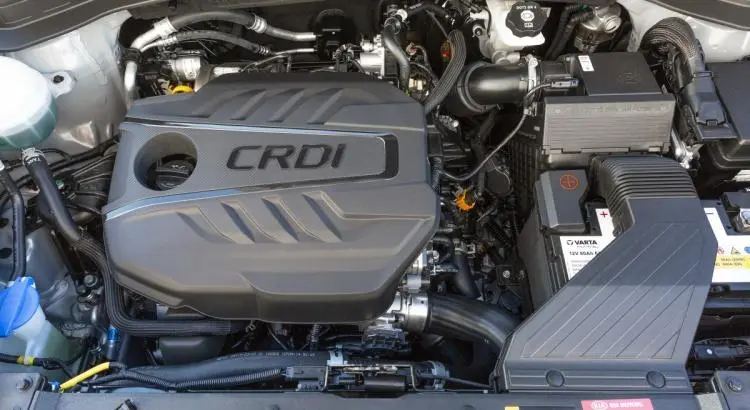
For Sportage 4 QL 1.6 CRDi 115/136 HP:
- Viscosity: SAE 5W-30 (primary for Euro 5/6 with DPF)
- Specifications: ACEA C3 (low-SAPS for DPF), VW 504 00/507 00, BMW Longlife-04
- Capacity: 5.3 liters with filter
- Recommended oils:
- Castrol Edge 5W-30 C3 (Excellent DPF protection)
- Mobil 1 ESP 5W-30 (Premium low-SAPS)
- Shell Helix Ultra ECT C3 5W-30 (Quality protection)
- Total Quartz Ineo ECS 5W-30 (Good value C3)
Service Intervals: Kia official interval is 15,000 km or annually. For optimal diesel protection and DPF longevity, implement 10,000-12,000 km intervals.
Technical Specifications
Engine Codes: D4FB (2015-2018 Euro 5), D4FE Smartstream (2018+ Euro 6)
Configuration: 1,582cc inline 4-cylinder turbodiesel, cast iron block, aluminum DOHC 16-valve head, hydraulic lifters, Bosch Common Rail (1,600-1,800 bar), VGT Garrett turbocharger, timing chain, EGR, DPF, 17.0:1 compression (D4FB), 15.7:1 compression (D4FE Euro 6).
Performance:
- 115/116 HP: 280 Nm @ 1,500-2,500 RPM, 0-100 km/h 11.8s, 175 km/h, 4.8-5.0 L/100 km
- 136 HP: 320 Nm @ 1,750-2,500 RPM, 0-100 km/h 10.5s, 185 km/h, 5.2-5.4 L/100 km
Shared Applications: Hyundai i30/i40/Tucson, Kia Ceed/Soul/Carens/Sportage
The D4FB and D4FE represent modern U-series turbodiesel technology. Cast iron block provides durability. Hydraulic lifters eliminate valve adjustment. Variable geometry turbocharger optimizes boost. High-pressure common rail delivers efficiency. D4FE features reduced compression (15.7:1) meeting Euro 6 with SCR catalyst requiring AdBlue.
Oil Specifications: ACEA C3 for DPF Protection
Kia specifies ACEA C3 low-SAPS oils critical for diesel particulate filter longevity and Euro 5/6 emissions compliance.
ACEA C3 (Primary – Essential): Low-SAPS (Sulfated Ash, Phosphorus, Sulfur) formulation prevents DPF ash accumulation. Protects DPF from premature clogging. Required for Euro 5/6 diesel engines. Excellent film strength for turbocharged diesel operation. Compatible with VGT turbocharger and high-pressure injection system.
VW 504 00/507 00: VW gasoline/diesel specification providing robust protection for common rail injection and turbocharger. Excellent compatibility with DPF systems. Proven in high-mileage applications.
BMW Longlife-04: European low-SAPS specification emphasizing extended drain capability. Superior thermal stability for turbodiesel operation. Excellent DPF protection.
Viscosity: 5W-30 primary recommendation. Excellent cold-start performance protecting turbocharger bearing. Adequate high-temperature protection for diesel operation. Optimal fuel economy. Required for proper hydraulic lifter function and VGT turbo protection.
Capacity: 5.3 liters with filter. Moderate capacity typical for 1.6L diesel application.
Top Oil Recommendations
Best for DPF: Castrol Edge 5W-30 C3
ACEA C3 with low-SAPS formulation. Excellent DPF protection preventing ash accumulation. Superior protection for high-pressure injection system. Proven turbodiesel reliability. Cost: £35-45/5L.
Premium Protection: Mobil 1 ESP 5W-30
ACEA C3 with superior thermal stability. Excellent protection for VGT turbocharger. Superior film strength for common rail injection. Extended drain capability. Cost: £40-50/5L.
Quality Value: Shell Helix Ultra ECT C3 5W-30
ACEA C3 with PurePlus Technology. Quality DPF protection at good price point. Excellent cleanliness for diesel operation. Widely available. Cost: £35-45/5L.
Good Value: Total Quartz Ineo ECS 5W-30
ACEA C3 providing solid diesel protection. Good DPF compatibility. Adequate protection for everyday driving. Cost: £28-38/5L.
Korean OEM: Hyundai/Kia Genuine 5W-30 C3
Factory specification meeting all requirements. Guaranteed compatibility with DPF and emissions systems. Convenient dealer availability. Cost: £30-40/5L.
Oil Change Intervals & Diesel Maintenance
Kia Official Interval: 15,000 km or 12 months
Recommended Practice: 10,000-12,000 km or annually
The 15,000 km official interval represents maximum drain under ideal conditions. For optimal diesel engine protection, particularly critical for DPF longevity, turbocharger life, and high-pressure injection cleanliness, shortened intervals provide substantial benefits:
Interval Guidelines:
- Urban/short trips: 10,000 km – DPF regeneration concerns, soot accumulation
- Mixed driving: 11,000-12,000 km – Balanced highway/city operation
- Highway-focused: 12,000 km – Optimal DPF regeneration conditions
- High-mileage (150,000+ km): 10,000 km – Enhanced turbo and injection protection
- Severe service: 10,000 km – Towing, mountainous terrain, dusty conditions
Diesel-Specific Maintenance Schedule:
- DPF regeneration: Weekly highway driving 20-30 km @ 2,500+ RPM (prevents clogging)
- DPF cleaning/inspection: 120,000-150,000 km (professional assessment)
- EGR valve cleaning: 60,000-80,000 km (carbon accumulation management)
- Turbocharger inspection: 150,000 km (VGT mechanism check)
- Fuel filter: 20,000-30,000 km (critical for common rail protection)
- Air filter: 20,000-30,000 km
- Timing chain inspection: 200,000 km (monitor for stretch)
- AdBlue system: Top-up as needed (D4FE Euro 6 models), check for proper operation
- Glow plugs: 100,000 km (early D4FB models had defective plugs – recall addressed)
- Coolant: 100,000 km or 5 years (first change), then 40,000 km
Engine Characteristics & Service Notes
Positive Attributes: Excellent fuel economy (4.8-5.4 L/100 km) with strong torque (280-320 Nm) from low RPM. VGT turbocharger delivers progressive power. Timing chain eliminates belt replacement. Hydraulic lifters eliminate valve adjustment. Expected service life 200,000-300,000 km with proper care. Many examples exceed 400,000 km. Cast iron block provides durability. Wide parts availability.
Reliability: Good reliability when diesel maintenance followed. Expected service life 200,000-300,000 km with proper DPF regeneration and EGR cleaning.
Diesel-Specific Service Notes:
DPF Management: PRIMARY concern for modern diesels. Traps soot requiring regeneration. Passive regeneration during highway driving (2,500+ RPM, 20-30 minutes). Insufficient regeneration causes clogging. Symptoms: reduced power, increased consumption, warning light. Prevention through weekly highway driving critical. Urban-only driving accelerates clogging. Replacement if severe: £1,000-1,500. Use only ACEA C3 low-SAPS oil.
EGR Valve: Carbon accumulation requiring cleaning 60,000-80,000 km. Symptoms: rough idle, reduced power. Professional cleaning: £150-300. Neglect causes failure requiring replacement.
VGT Turbocharger: Garrett turbo with adjustable vanes. Generally reliable but oil-quality sensitive. Monitor for noise, smoke, boost loss. Shortened intervals protect bearing. VGT mechanism can stick from carbon. Replacement if failed: £800-1,500.
Common Rail Injection: High-pressure (1,600-1,800 bar) sensitive to fuel quality. Premium diesel exclusively. Water damages injectors/pump severely. Fuel filter 20,000-30,000 km critical. Injector replacement: £200-350 each. High-pressure pump: £800-1,200.
Fuel Pressure Regulator: Known weak point on D4FB. Monitor for leaks. Replacement: £150-300.
Early Model Issues: Some 2015-2016 D4FB experienced premature turbo wear (50,000-80,000 km). Later production improved. Early models had defective glow plugs—service campaigns addressed.
AdBlue System (D4FE Euro 6): Requires periodic AdBlue refilling. Tank 12-15L. Engine won’t start if depleted. AdBlue freezes below -11°C (heating prevents issues).
Maximizing 1.6 CRDi Longevity
Essential Practices:
- Oil service 10,000-12,000 km (DPF and turbo protection)
- Quality ACEA C3 5W-30 oil (low-SAPS mandatory)
- Weekly highway driving 20-30 km @ 2,500+ RPM (DPF regeneration essential!)
- Premium diesel fuel (common rail protection)
- Fuel filter 20,000-30,000 km
- EGR cleaning 60,000-80,000 km
Driving Best Practices: Turbo warm-up (30-60s), turbo cool-down (60s after highway), regular highway driving for DPF (weekly 20-30 km @ 2,500+ RPM non-negotiable), avoid excessive idling, premium diesel only, monitor warnings promptly.
DPF Regeneration: Most critical diesel maintenance. Weekly highway driving at 2,500+ RPM for 20-30 minutes burns accumulated soot. Urban-only driving prevents regeneration causing clogging. Severe clogging requires professional regeneration or replacement (£1,000-1,500).
Fuel Quality: Premium diesel mandatory. Common rail (1,600-1,800 bar) extremely sensitive to contamination. Water causes catastrophic damage. Avoid budget fuel.
EGR Maintenance: Professional cleaning 60,000-80,000 km prevents failure. Carbon accumulation inevitable. Cleaning maintains efficiency (£150-300).
Turbocharger Care: Quality ACEA C3 oil protects bearing. Warm-up/cool-down critical. Monitor for leaks, smoke, unusual noises.
High-Mileage (150,000+ km): Oil every 10,000 km strictly, DPF inspection, EGR cleaning, turbo inspection, injector cleaning, timing chain inspection, glow plugs replacement, AdBlue system check (D4FE).
Conclusion
The Kia Sportage 4 QL 1.6 CRDi 115/136 HP requires ACEA C3 low-SAPS SAE 5W-30 oil with 5.3-liter capacity for optimal turbodiesel protection and DPF longevity.
Choose proven low-SAPS oils: Castrol Edge 5W-30 C3 (best for DPF), Mobil 1 ESP 5W-30 (premium protection), Shell Helix Ultra ECT C3 5W-30 (quality value), Total Quartz Ineo ECS 5W-30 (good value). Verify ACEA C3 specification—non-negotiable for DPF protection.
Service at 10,000-12,000 km intervals for DPF longevity and turbocharger protection. Weekly highway driving 20-30 km @ 2,500+ RPM is absolutely essential for DPF regeneration—urban-only driving causes premature clogging requiring expensive replacement. EGR cleaning every 60,000-80,000 km maintains efficiency. Premium diesel fuel exclusively protects high-pressure common rail injection. Fuel filter replacement every 20,000-30,000 km prevents injection damage. The D4FB/D4FE U-series turbodiesels deliver excellent efficiency and reliability with 200,000-300,000+ km service life potential when diesel-specific maintenance practices are followed, emphasizing the critical importance of proper DPF regeneration for these proven Hyundai-Kia turbodiesel powerplants found across multiple popular models.