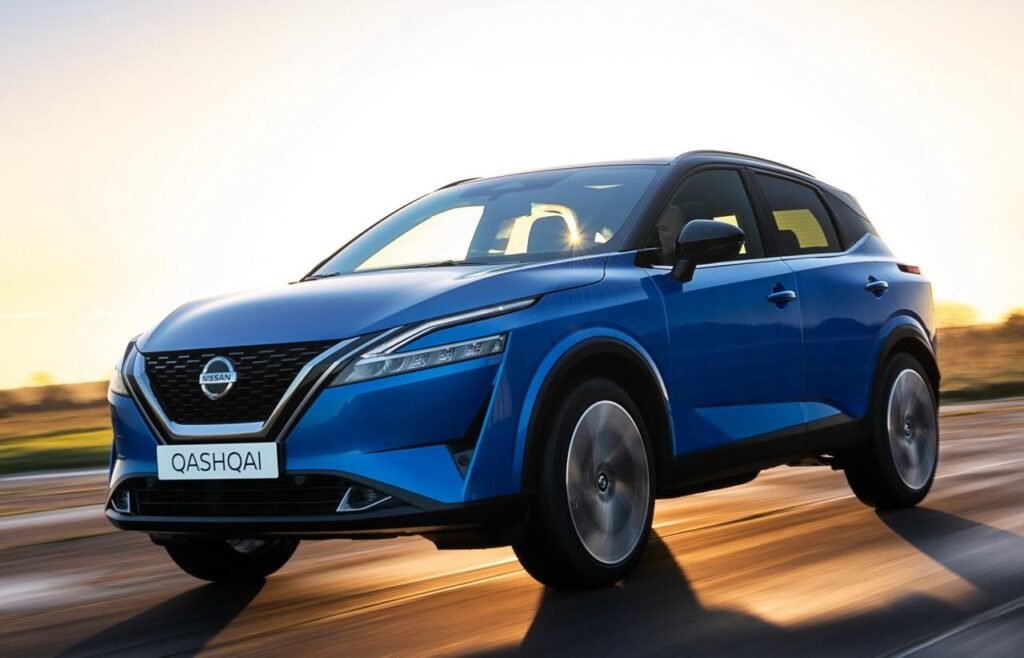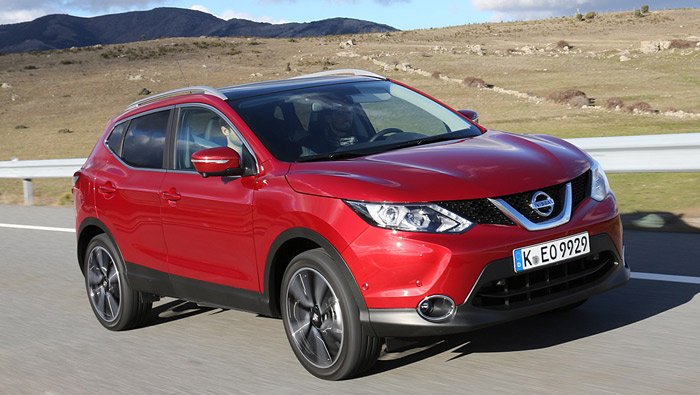
Best Engine Oil for Nissan Qashqai J11 1.5 dCi 110 HP
The Nissan Qashqai J11 with the 1.5 dCi diesel engine offers proven compact diesel efficiency developed through the Renault-Nissan alliance. Introduced in 2001 and continuously refined, this turbocharged 1.5-liter four-cylinder delivers 110 HP with strong torque and excellent fuel economy (3.8-4.0 L/100 km). Understanding correct oil specifications for the K9K engine code, implementing appropriate diesel service intervals, and following recommended maintenance practices helps owners maximize the reliability potential of this widely-used alliance diesel powerplant found in millions of vehicles worldwide.
Quick Answer: Recommended Oil
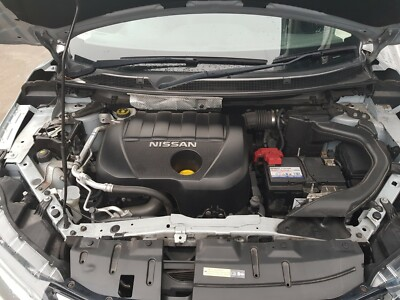
For Qashqai J11 1.5 dCi 110 HP:
- Viscosity: SAE 5W-30 (primary for DPF models)
- Specifications: ACEA C3 (low-SAPS), ACEA A3/B4, API SN, Renault RN0700/RN0710
- Capacity: 4.6 liters with filter
- Recommended oils:
- Elf Evolution Full-Tech FE 5W-30 (Renault-approved)
- Castrol Edge 5W-30 C3 (Excellent DPF protection)
- Mobil Super 3000 Formula R 5W-30 (Renault RN0700)
- Shell Helix Ultra ECT C3 5W-30 (Low-SAPS quality)
Service Intervals: Nissan official interval is 15,000 km or annually. For optimal diesel engine protection, implement 10,000-12,000 km intervals.
Technical Specifications
Engine Code: K9K 636, K9K 646 (Renault-Nissan alliance, produced since 2001)
Configuration: 1,461cc inline 4-cylinder, cast iron block, aluminum SOHC 8-valve head (2 per cylinder), Garrett/BorgWarner turbocharger, Delphi Common Rail direct injection (1,400 bar), timing belt drive, 76mm bore × 80.5mm stroke, 15.2:1 compression.
Performance: 110 HP @ 4,000 RPM, 260 Nm @ 1,750 RPM, 0-100 km/h 11.9s, 182 km/h top speed, 3.8-4.0 L/100 km consumption, ~99 g/km CO2, 6-speed manual.
Production: 2013-2018 (Qashqai J11)
Shared Applications: Renault Megane/Scenic/Clio/Kangoo, Dacia Duster/Logan, Nissan Juke/Note, Mercedes A-Class/B-Class (early models)
The K9K represents one of the most successful small diesels globally with 9+ million units produced. Cast iron block provides durability, aluminum head reduces weight. Common Rail injection delivers precise fuel metering. Timing belt drive requires periodic replacement but offers quiet operation. Forged connecting rods enable reliable high-mileage service with proper maintenance.
Oil Specifications: ACEA C3 Low-SAPS for DPF
Nissan/Renault specifies ACEA C3 low-SAPS oils meeting Renault RN0700 or RN0710 approvals for DPF-equipped models, with ACEA A3/B4 acceptable for non-DPF variants.
ACEA C3 Low-SAPS (Primary – DPF models): Mid-SAPS formulation essential for diesel particulate filter longevity. Reduces ash accumulation in DPF preventing premature clogging. Provides excellent film strength for turbocharger bearings and Common Rail injection system compatibility. Critical for modern diesel emissions equipment protection.
Renault RN0700/RN0710: Alliance-specific approvals ensuring compatibility with K9K diesel requirements. RN0700 emphasizes fuel economy and emissions, while RN0710 adds extended drain capability. These approvals guarantee tested compatibility with Common Rail injectors and turbocharger operation.
ACEA A3/B4 (Non-DPF): Traditional diesel specification for older models without particulate filters. Provides robust protection for severe service with excellent thermal stability. Suitable for high-mileage applications prioritizing engine protection over emissions equipment.
Viscosity: 5W-30 primary recommendation for DPF protection and fuel economy. Excellent cold-start performance (-35°C) critical for diesel operation. Adequate high-temperature protection for turbocharger bearings. Optimal flow for Common Rail system.
Capacity: 4.6 liters with filter. Moderate capacity requires attention to level monitoring between services, particularly for diesel soot contamination management.
Top Oil Recommendations
Alliance Approved: Elf Evolution Full-Tech FE 5W-30
Renault-approved ACEA C3 formulation specifically designed for K9K diesel engines. RN0700 approved with excellent DPF protection. Optimal compatibility with Common Rail injection systems. Official Renault-Nissan alliance specification. Cost: £35-45/5L.
Best Overall: Castrol Edge 5W-30 C3
ACEA C3 with Fluid Strength Technology providing exceptional film strength. Excellent DPF compatibility and turbocharger protection. Widely available with proven diesel reliability. Strong choice for high-mileage applications. Cost: £38-48/5L.
Renault Specification: Mobil Super 3000 Formula R 5W-30
Renault RN0700 approved formulation offering excellent fuel economy and DPF protection. Proven compatibility with K9K Common Rail systems. Quality protection at reasonable pricing. Cost: £32-42/5L.
Low-SAPS Quality: Shell Helix Ultra ECT C3 5W-30
ACEA C3 with PurePlus Technology providing excellent cleanliness. Superior DPF protection and diesel dispersancy. Good value for quality low-SAPS protection. Cost: £35-45/5L.
High-Mileage: Total Quartz Ineo ECS 5W-30
ACEA C3 Renault RN0700 approved for high-mileage diesels. Enhanced protection for worn engines with excellent soot handling. Alliance-approved formulation. Cost: £30-40/5L.
Oil Change Intervals & Diesel Maintenance
Nissan Official Interval: 15,000 km or 12 months
Recommended Practice: 10,000-12,000 km or annually
The 15,000 km official interval represents maximum drain capability. For optimal diesel engine protection, particularly important for K9K connecting rod bearing longevity and Common Rail system cleanliness, shortened intervals provide substantial benefits:
Interval Guidelines:
- Urban/short trips: 10,000 km – Frequent cold starts, DPF regeneration cycles, soot accumulation
- Mixed driving: 11,000-12,000 km – Balanced highway/city operation
- Highway-focused: 12,000 km – Sustained operation with better oil temperatures
- High-mileage (150,000+ km): 10,000 km – Critical for connecting rod bearing protection
- Severe service: 10,000 km – Towing, mountainous terrain, dusty conditions
Additional Maintenance Schedule:
- Timing belt: 60,000 km or 5 years (critical – interference engine)
- Fuel filter: 20,000-30,000 km (quality diesel essential)
- Air filter: 20,000-30,000 km (turbocharger protection)
- DPF regeneration: Monitor regularly, force regeneration if needed
- EGR valve cleaning: 60,000-80,000 km (carbon buildup prevention)
- Injectors: Monitor performance, professional cleaning 100,000-120,000 km
- Coolant: 60,000 km or 3 years
- Glow plugs: Inspect 80,000-100,000 km
Engine Characteristics & Service Notes
Positive Attributes: Excellent fuel economy (3.8-4.0 L/100 km). Strong torque (260 Nm from 1,750 RPM) for responsive acceleration. Proven reliability with millions produced globally. Cast iron block durability enables high-mileage service. Widespread parts availability. Lower maintenance costs versus larger diesels.
Reliability: Good reliability when properly maintained. Expected service life: 150,000-250,000 km with conservative diesel maintenance. Robust cast iron block and forged connecting rods provide durable foundation. Timing belt requires 60,000 km replacement but offers quiet operation.
Critical Maintenance:
Connecting Rod Bearings: Primary concern beyond 150,000 km. Prevention requires oil service at 10,000-12,000 km using quality ACEA C3 oils. Extended intervals accelerate bearing wear.
Common Rail Injectors: Delphi system operates at 1,400 bar, sensitive to fuel quality. Use premium diesel from reputable stations. Monitor for rough idle or smoke.
DPF Management: Requires periodic regeneration. Regular highway driving (20+ km weekly) allows passive regeneration. Use ACEA C3 low-SAPS oil exclusively.
Timing Belt: Critical at 60,000 km or 5 years. Interference engine – failure causes catastrophic valve/piston damage. Replace belt, tensioner, water pump simultaneously.
EGR Valve: Carbon buildup develops over time. Professional cleaning every 60,000-80,000 km maintains efficiency.
Maximizing 1.5 dCi Longevity
Essential Practices:
- Oil service 10,000-12,000 km (connecting rod bearing protection)
- Quality ACEA C3 5W-30 oil (DPF longevity)
- Premium diesel fuel (Common Rail injector protection)
- Timing belt 60,000 km (interference engine – non-negotiable)
- Weekly oil level checks
- DPF regeneration management (weekly highway driving)
Driving Best Practices: Brief warm-up (30-60s), avoid excessive cold idling, regular highway driving (weekly 20+ km) for DPF regeneration, gentle cold starts protecting turbocharger, monitor warning lights promptly.
Fuel Quality: Premium diesel from reputable stations critical for injector longevity. Avoid budget diesel that may damage Common Rail system.
DPF Care: Regular highway driving, avoid excessive short trips (under 5 km), use ACEA C3 low-SAPS oil exclusively, address regeneration warnings promptly.
High-Mileage (150,000+ km): Oil service every 10,000 km strictly, monitor consumption, professional compression test, injector cleaning as needed, timing belt second replacement (120,000 km).
Conclusion
The Nissan Qashqai J11 1.5 dCi 110 HP requires ACEA C3 low-SAPS approved SAE 5W-30 diesel oil with 4.6-liter capacity meeting Renault RN0700 or RN0710 specifications for optimal DPF protection and engine longevity.
Choose proven oils: Elf Evolution Full-Tech FE 5W-30 (Renault-approved), Castrol Edge 5W-30 C3 (best overall), Mobil Super 3000 Formula R 5W-30 (RN0700 approved), Shell Helix Ultra ECT C3 5W-30 (quality value). Verify ACEA C3 and Renault approval.
Service at 10,000-12,000 km intervals for connecting rod bearing protection and Common Rail system cleanliness. Replace timing belt at 60,000 km (critical interference engine). Use premium diesel fuel exclusively protecting Common Rail injectors. Implement DPF regeneration management through regular highway driving. Monitor oil level weekly. The K9K 1.5 dCi delivers proven diesel efficiency and reliability when properly maintained, with conservative service practices enabling 150,000-250,000+ km service life from this widely-used alliance diesel powerplant found in millions of vehicles globally.