
Best Engine Oil for Honda CR-V 5th Generation 1.5L Turbo (2017-2022)
The fifth-generation Honda CR-V with the 1.5-liter turbocharged engine represents a significant technological leap for Honda’s best-selling SUV. This compact crossover combines impressive fuel economy with responsive performance, achieving 28-34 MPG combined while delivering 190 horsepower. However, the sophisticated 1.5L turbo engine demands meticulous oil care to avoid reliability issues that plagued early production models. Understanding proper oil specifications and maintenance intervals proves essential for long-term durability, as this direct-injection turbocharged engine exhibits unique challenges including fuel dilution and carbon buildup.
The 1.5L Turbo Engine: Honda’s Earth Dreams Technology
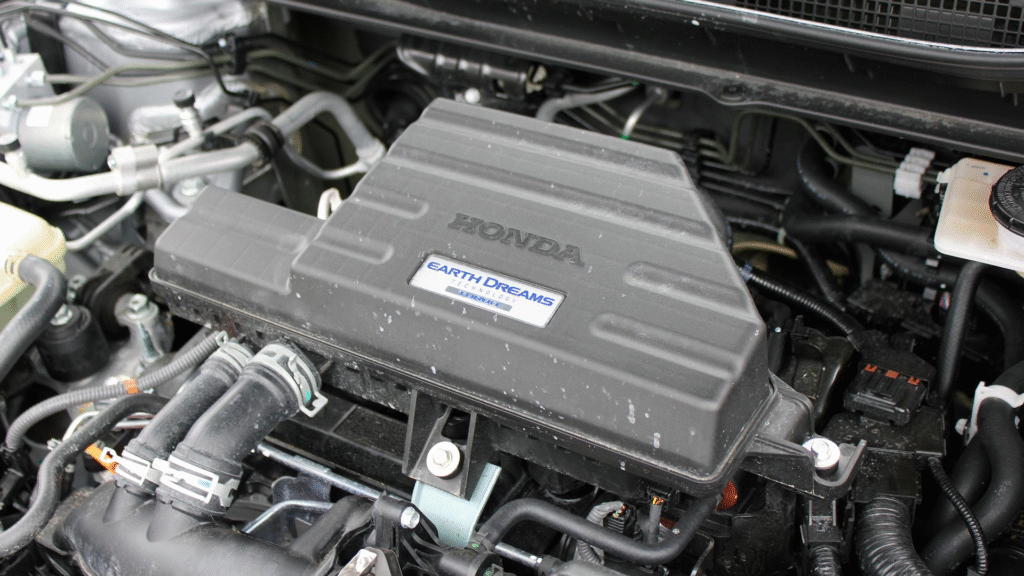
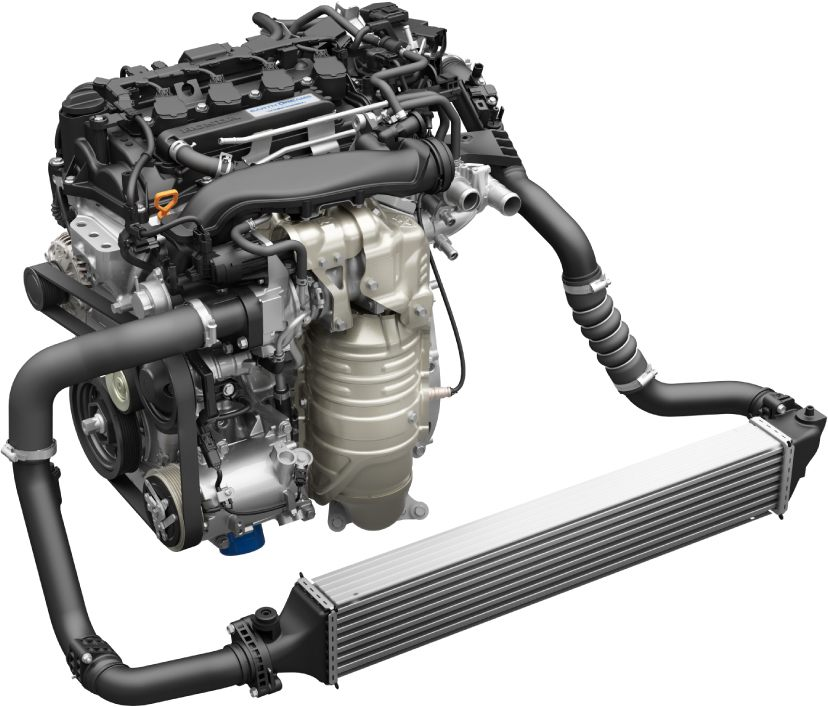
The L15B7 (North America) and L15BE (international markets) 1.5L turbocharged inline-four belongs to Honda’s Earth Dreams engine family, representing the manufacturer’s push toward smaller, more efficient powerplants. Despite displacing just 1,498cc (91.4 cubic inches), this sophisticated engine produces 190 horsepower and 179 lb-ft of torque through cutting-edge technologies including direct fuel injection, variable valve timing on both camshafts, an electronically controlled wastegate turbocharger, and a 10.3:1 compression ratio.
The engine delivers peak torque across an impressively wide power band from 2,000 to 5,000 RPM, providing strong acceleration and excellent highway passing power. The turbocharger spools quickly with minimal lag, making the CR-V feel considerably more powerful than the naturally-aspirated 2.4L engine it replaced. Fuel economy improved significantly, with the turbocharged CR-V achieving 1-2 MPG better than its predecessor despite the increased power output.
However, this efficiency comes through engineering compromises that create unique maintenance challenges. The direct injection system sprays fuel at extremely high pressure directly into combustion chambers, eliminating port injection’s valve-cleaning action. The engine runs at relatively low operating temperatures to maximize efficiency and reduce emissions, but this prevents complete fuel vaporization during short trips. The turbocharger operates at extreme speeds exceeding 200,000 RPM, placing enormous demands on oil quality. These factors combine to make the 1.5L turbo more sensitive to oil maintenance than Honda’s traditional naturally-aspirated engines.
Engine Oil Specifications
Technical Specifications
Oil viscosity: SAE 0W-20 (mandatory)
Oil capacity: 3.7 US quarts (3.5 liters) with filter
Required specification: API SN Plus, API SP, or ILSAC GF-5/GF-6
Engine code: L15B7 (North America), L15BE (International)
Horsepower: 190 HP (142 kW) @ 5,600 RPM
Torque: 179 lb-ft (243 Nm) @ 2,000-5,000 RPM
Fuel type: Regular unleaded 87 octane minimum (91+ octane recommended for performance)
Compression ratio: 10.3:1
Configuration: Inline 4-cylinder, turbocharged, direct injection
Features: DOHC, VTC on both camshafts, electronic wastegate turbocharger, drive-by-wire throttle
Available transmissions: CVT (continuously variable transmission)
0-60 mph: 7.5-8.0 seconds
Recommended oil filter: Honda 15400-RTA-003 or equivalent (Mobil 1 M110A, Purolator Boss PBL25288, Mann HU 718/5 X)
Recommended oil: Honda Genuine 0W-20 Synthetic Blend (see on Amazon)
Critical Oil Dilution Issue: Understanding the Problem
The Honda CR-V 1.5L turbo gained notoriety for a serious oil dilution problem affecting 2017-2018 model years, with continued reports through 2022 models. This issue, where gasoline mixes with engine oil at abnormally high rates, triggered class action lawsuits, warranty extensions, and eventually a costly recall campaign. Understanding oil dilution is critical for any CR-V 1.5L turbo owner.
What Causes Oil Dilution?
Oil dilution occurs when unburned fuel passes piston rings and accumulates in the crankcase. While all direct-injection engines experience some fuel dilution, the CR-V 1.5L turbo showed excessive rates, particularly under specific conditions:
Cold weather operation: When ambient temperatures drop below 20°F (-7°C), the engine takes considerably longer to reach optimal operating temperature. During cold starts, fuel injectors spray gasoline that condenses on cold cylinder walls rather than vaporizing completely. This liquid fuel drips past piston rings into the oil pan before combustion can occur.
Short trip driving: Trips under 10 minutes don’t allow the engine to reach the 180-195°F oil temperature needed to vaporize accumulated fuel. Many owners reported problems with commutes of 5-15 minutes, where the engine shut off before reaching full operating temperature. The accumulated fuel never evaporates, continuously building concentration in the crankcase.
Direct injection characteristics: Unlike port fuel injection that sprays fuel onto hot intake valves where it vaporizes, direct injection introduces fuel directly into combustion chambers. During cold starts and low-load operation, some fuel adheres to cylinder walls rather than atomizing properly. The high-pressure injectors (operating at 2,500+ PSI) create fine fuel droplets that can stick to surfaces.
Efficient engine design: Honda engineered this engine to minimize waste heat for maximum efficiency. While excellent for fuel economy and emissions, the low thermal rejection means the engine retains less heat and warms up more slowly than traditional designs. The cooling system intentionally maintains lower temperatures to reduce friction and improve efficiency, but this exacerbates fuel dilution during cold operation.
Symptoms of Excessive Oil Dilution
Affected CR-V owners reported several telltale symptoms:
Rising oil level: The most obvious sign appears on the dipstick. Owners found oil levels climbing above the “FULL” mark between changes, sometimes gaining 8-16 ounces (240-480ml). This seems counterintuitive—oil should decrease through consumption, not increase—but gasoline dilution adds volume.
Gasoline smell: The oil emits a strong gasoline odor when checking the dipstick or during oil changes. Fresh oil should smell relatively neutral with slight petroleum notes. Gas-contaminated oil smells distinctly of raw fuel.
Cabin fuel odor: Many owners reported smelling gasoline inside the cabin while driving or after parking in enclosed spaces. This occurred as fuel vapors from the crankcase ventilation system entered the intake, then permeated the cabin through the HVAC system.
Check engine light: Severe cases triggered various fault codes including misfires, fuel system errors, or oxygen sensor issues. The diluted oil loses viscosity, potentially causing timing chain noise or variable valve timing system faults.
Rough idle and hesitation: Excessive fuel dilution degrades oil’s lubricating properties, potentially causing rough idle, cold-start hesitation, or intermittent misfires. Some owners reported stalling incidents, though Honda disputed the connection to oil dilution.
Reduced fuel economy: Counterintuitively, fuel dilution can hurt fuel economy as the engine computer compensates for rich running conditions and combustion efficiency decreases.
Honda’s Response and Software Update
Honda initially downplayed the issue, claiming it affected only a tiny percentage of vehicles in extremely cold climates. However, complaints poured in from temperate regions including California and Texas, forcing Honda to acknowledge a broader problem. In May 2018, Honda issued a service campaign (bulletin N60) covering 2017-2018 CR-Vs and Civics, then extended warranty coverage to 6 years unlimited mileage for affected powertr components (camshafts, rocker arms, spark plugs).
The repair involves software updates to:
Engine control unit (ECU): Modified ignition timing and fuel injection strategies to improve cold-start combustion. The update richens the mixture slightly during warm-up while advancing spark timing to increase combustion temperatures.
CVT transmission control: The transmission shifts differently during warm-up, keeping engine RPM higher (around 2,500 RPM vs. 1,500 RPM) to generate more heat. This accelerates oil temperature rise, helping vaporize accumulated fuel.
Climate control system: Air conditioning operation is limited during the first few minutes after cold starts to reduce engine load and allow faster warm-up. The heater core mixing valve operates differently to route more coolant through the engine block.
While Honda claims these updates resolved the issue, many owners continued reporting fuel dilution in 2019-2022 models. The problem appears reduced but not eliminated. Current best practice involves monitoring oil levels regularly and adopting driving habits that minimize dilution risk.
The Critical Importance of 0W-20 Viscosity
Honda specifies 0W-20 exclusively for the 1.5L turbo engine across all markets and climate conditions. This ultra-low viscosity represents a non-negotiable requirement—using heavier oils like 5W-20, 5W-30, or 10W-30 will negatively affect engine operation and potentially void warranty coverage. The 0W-20 specification exists for several critical reasons:
Variable Valve Timing System Protection
The 1.5L turbo employs Honda’s VTC (Variable Timing Control) system on both intake and exhaust camshafts. This system relies on precisely controlled oil pressure to advance or retard camshaft timing relative to the crankshaft, optimizing power delivery and emissions across the RPM range. VTC actuators contain tight-tolerance oil passages and precise valving mechanisms that demand free-flowing oil. Thicker oils can slow VTC response, causing rough idle, hesitation, and check engine lights. The 0W-20 viscosity ensures instant VTC operation even at cold temperatures.
Turbocharg Lubrication
The turbocharger represents the most oil-dependent component in the 1.5L engine. The turbine shaft spins at 150,000-250,000 RPM supported entirely by pressurized oil film bearings—no ball bearings or other solid contact exists. At these extreme speeds, even momentary oil starvation causes catastrophic bearing failure. The low viscosity of 0W-20 ensures instant oil flow to turbo bearings during cold starts, when oil is thickest and flow is most restricted. Heavier oils increase turbocharger lag, reduce bearing protection, and accelerate bearing wear.
Fuel Economy and Emissions Compliance
Honda designed the 1.5L turbo specifically to meet stringent CAFE (Corporate Average Fuel Economy) standards. Every 0.1 MPG improvement matters for fleet-wide compliance. The ultra-low viscosity 0W-20 reduces internal friction losses, improving fuel economy by an estimated 1-2% versus 5W-30 oils. This seemingly small difference represents millions of dollars in potential CAFE fines across Honda’s production volumes. Using heavier oils compromises the fuel economy Honda engineered into the vehicle.
Cold Start Wear Protection
Despite flowing like water when hot, 0W-20 maintains adequate film strength through advanced synthetic base stocks and friction modifier additives. The “W” (winter) rating indicates cold-temperature flow properties—0W flows to critical engine components faster than 5W or 10W grades during cold starts. Studies show the majority of engine wear occurs during cold starts when oil hasn’t reached all components. The 0W-20 specification minimizes this cold-start wear window.
Fuel Dilution Considerations
Ironically, while 0W-20’s low viscosity helps minimize initial fuel dilution effects, it also means dilution impacts lubrication more quickly. A 3% fuel dilution in 0W-20 may reduce viscosity below protective levels, while the same 3% dilution in 5W-30 would leave adequate protection. Some owners considered switching to 5W-30 to combat dilution, but this creates other problems including VTC issues and increased turbo wear. The correct solution involves addressing fuel dilution through proper driving habits and maintenance intervals, not switching to improper oil viscosity.
Understanding API and ILSAC Specifications
The 1.5L turbo requires modern oil formulations meeting API SN Plus/SP and ILSAC GF-5/GF-6 specifications. These industry standards represent critical protections against specific failure modes affecting modern turbocharged direct-injection engines:
API SN Plus and SP
API (American Petroleum Institute) SN Plus, introduced in 2018, specifically addresses Low-Speed Pre-Ignition (LSPI), a catastrophic failure mode affecting turbocharged direct-injection engines like the 1.5L turbo. LSPI occurs when the air-fuel mixture ignites prematurely during the compression stroke due to hot spots in the combustion chamber. Unlike normal engine knock that causes a brief metallic rattle, LSPI creates violent pressure spikes exceeding 10x normal combustion pressure, potentially cracking pistons, bending connecting rods, or destroying piston rings in seconds.
LSPI predominantly affects turbocharged engines operating at low RPM under high load—exactly the conditions common in CR-V driving (accelerating from stops, climbing gradual hills, merging onto highways). Oil formulation significantly influences LSPI frequency. Calcium detergents, a common additive in older oil formulations, promote LSPI by creating combustion chamber hot spots. API SN Plus requires oils to pass stringent LSPI testing in turbocharged direct-injection test engines, ensuring formulations won’t trigger this destructive phenomenon.
API SP, introduced in 2020, further improves on SN Plus with enhanced protection against LSPI, turbocharger protection, and compatibility with modern emission control systems. Both SN Plus and SP oils are backward compatible—they meet or exceed all requirements of earlier API specifications.
ILSAC GF-5 and GF-6
ILSAC (International Lubricant Standardization and Approval Committee) represents a joint effort between American and Japanese automakers to establish oil standards. GF-5 (introduced 2010) and GF-6 (introduced 2020) build upon API specifications with additional requirements important to Honda:
Fuel economy: GF-5 and GF-6 oils must demonstrate measurable fuel economy improvements versus reference oils through standardized testing. This ensures the 0W-20 viscosity maintains efficiency benefits throughout the drain interval.
Emission system compatibility: The specifications limit phosphorus content (preventing catalyst poisoning), require low volatility (reducing oil consumption), and ensure compatibility with oxygen sensors.
Timing chain wear protection: Modern Honda engines including the 1.5L turbo use timing chains rather than belts. GF-5/GF-6 specifications include specific timing chain wear tests ensuring oils won’t cause premature chain stretch or guide wear.
Deposit control: The standards require exceptional resistance to sludge formation and piston deposits, critical for direct-injection engines prone to carbon accumulation.
Always verify oil bottles display the API “donut” certification mark showing SN Plus or SP, and the ILSAC “starburst” certification for GF-5 or GF-6. These certifications guarantee the oil meets minimum specifications. Using oils lacking these certifications, or carrying only older standards (API SN without Plus designation, or ILSAC GF-4), may result in reduced protection and potential warranty issues.
Fuel Dilution Mitigation Strategies
While Honda’s software update reduced fuel dilution frequency, the problem persists in many vehicles, particularly those subjected to short-trip driving patterns. Adopting these strategies can minimize dilution and protect your engine:
Allow Proper Warm-Up
The single most effective protection against fuel dilution involves ensuring the engine reaches full operating temperature regularly. However, idling to warm up accomplishes little—the engine warms primarily through driving load, not idling. Instead:
- Start the engine and allow 30-60 seconds for initial oil circulation before driving
- Drive gently for the first 5-10 minutes, keeping RPM below 3,000 and avoiding hard acceleration
- Monitor the temperature gauge or digital display until it reaches normal operating range (typically 5-10 minutes depending on ambient temperature)
- Once warmed, drive for at least 15-20 minutes total to allow oil temperature to reach 180-195°F where fuel vaporization occurs
- If your typical commute is under 10 minutes, plan occasional longer drives specifically to “burn off” accumulated fuel
Extended Highway Runs
Every 1-2 weeks, schedule a 30-45 minute highway drive specifically to vaporize accumulated fuel. Highway driving accomplishes several beneficial effects:
- Sustained engine load at 2,500-3,500 RPM generates maximum heat
- Consistent operation allows oil temperature to stabilize at optimal levels
- Higher cylinder temperatures more completely vaporize fuel from oil
- Extended operation allows crankcase ventilation system to purge fuel vapors
- The CVT transmission operates in its efficiency “sweet spot,” minimizing parasitic losses
Think of these drives as preventive maintenance. The modest fuel cost (perhaps $5-10) is insignificant compared to potential repair bills from dilution-related damage.
Monitor Oil Level Frequently
Check oil level every 1,000-1,500 miles, particularly if you suspect fuel dilution. Use this procedure:
- Park on level ground after the engine has been off at least 5 minutes (allowing oil to drain to the pan)
- Remove the dipstick, wipe clean, reinsert fully, then remove again
- Note the level between the lower and upper marks—it should read between these marks
- Rising level is the key warning: If oil level increases above where it was previously, fuel dilution is occurring. Fresh oil should slowly decrease through normal consumption.
- Smell the oil on the dipstick. Gasoline-contaminated oil smells distinctly of raw fuel rather than having a petroleum scent.
If you detect rising levels or fuel smell, change the oil immediately regardless of mileage. Continuing to drive with diluted oil accelerates wear.
Avoid Excessive Idling
The 1.5L turbo idles at approximately 700-800 RPM, an engine speed that generates minimal heat. Extended idling doesn’t warm the engine effectively and may worsen fuel dilution:
- Don’t idle for more than 1-2 minutes before driving. Start the engine and go—gentle driving warms the engine faster than idling.
- If you must wait (picking up passengers, waiting at school pickup, etc.), turn off the engine rather than idling
- Block heaters provide better cold-weather warm-up than idling and consume less fuel
- Remote start features are convenient but extended use (>5 minutes) before driving contributes to dilution
Cold Weather Considerations
If you live in climates where winter temperatures regularly drop below 20°F (-7°C), additional precautions help:
Block heater: A 400-600 watt engine block heater, plugged in 2-3 hours before starting, dramatically reduces cold-start fuel dilution. The heater warms coolant, which in turn warms the engine block. This allows fuel to vaporize more readily even at startup. Cost approximately $40-80 plus installation (which can be DIY for mechanically inclined owners). The electricity cost is negligible—perhaps $0.15-0.30 per use.
Garaged parking: Parking in even an unheated garage keeps the engine 10-20°F warmer than outdoor parking, reducing cold-start dilution.
Battery maintainer: A weak battery can prolong cranking time, increasing fuel delivery before combustion begins. Ensure the battery maintains full charge, particularly in cold weather.
Synthetic oil cold-flow advantage: While 0W-20 is mandatory regardless of oil type, using full synthetic provides superior cold-weather protection versus synthetic blends or conventional oils.
Premium Fuel Benefits
While the 1.5L turbo runs acceptably on 87 octane regular unleaded, using 91-93 octane premium provides measurable benefits:
Reduced carbon deposits: Premium fuels from Top Tier brands (Shell V-Power, Chevron Supreme, Mobil/Exxon Synergy) contain 2-3x the detergent additives of regular grade. These detergents help keep fuel injectors clean and minimize combustion chamber deposits.
Complete combustion: Higher octane fuel resists detonation, allowing more aggressive ignition timing. This promotes more complete combustion, potentially reducing unburned fuel passing into the crankcase.
Injector cleanliness: Clean injectors spray proper atomization patterns. Dirty injectors create large fuel droplets that adhere to cylinder walls rather than vaporizing, contributing to dilution.
Performance improvement: The 1.5L turbo gains approximately 5-7 horsepower and slightly better throttle response on premium fuel due to more aggressive timing calibration.
While premium fuel costs roughly $0.40-0.60 more per gallon, if it prevents one fuel dilution-related engine failure, the investment pays for itself thousands of times over. Consider using premium fuel exclusively, or alternating—two tanks of regular followed by one tank of premium—to balance cost and benefits.
Carbon Buildup: The Direct Injection Challenge
Like all direct-injection engines, the 1.5L turbo suffers inevitable carbon accumulation on intake valves and combustion chambers. Understanding this issue and implementing prevention strategies is critical for long-term reliability.
Why Direct Injection Causes Carbon Buildup
Traditional port fuel injection sprays gasoline onto the backs of intake valves before entering combustion chambers. The fuel’s solvent action continuously washes deposits off valve surfaces, keeping them clean. Direct injection sprays fuel directly into combustion chambers, bypassing intake valves entirely. Intake valves now see only air contaminated with oil mist from the crankcase ventilation system.
The PCV (Positive Crankcase Ventilation) system routes blow-by gases—combustion gases that leak past piston rings—back into the intake manifold to be re-burned rather than vented to atmosphere. While environmentally beneficial, these gases contain minute oil droplets that coat intake valve stems and backs. Over thousands of heat cycles, this oil bakes into hard carbon deposits. As deposits accumulate, several problems develop:
Rough idle: Carbon buildup on valve seats prevents proper valve closure, reducing compression and causing cylinder misfires at idle.
Hesitation: Deposits restrict airflow into cylinders, creating lean conditions during transients. The engine hesitates or stumbles when accelerating from idle.
Reduced power: Thick carbon deposits significantly reduce volumetric efficiency, costing 10-15 horsepower in severe cases.
Poor fuel economy: The engine computer compensates for reduced airflow by injecting extra fuel, hurting economy.
Hard starting: Carbon-fouled valves lead to difficult cold starts, requiring extended cranking.
Check engine light: Severe carbon buildup triggers misfire codes (P0300-P0304), oxygen sensor codes (from rich running), or fuel system codes.
Carbon Buildup Prevention
While carbon accumulation is inevitable with direct injection, these strategies slow the process:
Italian tune-up: Once every 1-2 weeks, find a safe stretch of highway or on-ramp and accelerate briskly through the gears, holding each gear to 4,500-5,000 RPM. Maintain this elevated RPM for 2-3 minutes under moderate load (gentle uphill grade is ideal, not flat highway cruising). The increased exhaust gas temperature literally burns accumulated carbon deposits before they harden permanently. This traditional technique remains effective for direct-injection engines.
Premium fuel: Use Top Tier premium gasoline (91+ octane) from reputable brands. While direct injection bypasses valves, the enhanced detergents in premium fuel keep injectors cleaner. Clean injectors produce better atomization, improving combustion efficiency and reducing deposit precursors.
High-quality oil: Cheap oils contain fewer detergents and produce more crankcase vapors contributing to deposits. Stick with premium branded full synthetic oils like Mobil 1, Pennzoil Platinum, Castrol Edge, or Honda Genuine that minimize oil consumption and vapor formation.
Aggressive driving occasionally: Don’t baby the engine constantly. Occasional spirited acceleration (within legal limits) helps burn deposits through increased cylinder temperatures. The 1.5L turbo needs periodic high-load operation to self-clean.
Oil catch can consideration: Aftermarket oil catch cans intercept PCV oil vapors before entering the intake manifold. While somewhat controversial (Honda doesn’t recommend them), many CR-V turbo owners report success with quality catch can systems. If installing, use reputable brands like Mishimoto, Radium Engineering, or Crawford Performance designed specifically for the CR-V. Cheap universal catch cans may cause more problems than they solve.
Carbon Cleaning Services
Despite preventive efforts, carbon accumulation eventually necessitates mechanical cleaning. The only truly effective method involves removing the intake manifold and physically cleaning valves:
Walnut blasting: Professional shops use crushed walnut shells blasted under pressure to mechanically remove carbon without damaging soft aluminum valve surfaces. This messy but effective process typically costs $400-600 and takes 3-4 hours. Performed at 60,000-80,000 mile intervals, walnut blasting restores like-new engine performance.
Chemical cleaning: Various spray-can “carbon cleaners” claim to dissolve deposits through the intake or via fuel additives. Results vary dramatically. Some products (Seafoam, CRC Intake Valve Cleaner, BG 44K) provide modest improvement on lightly-deposited engines but won’t touch severe buildup. Consider these temporary measures, not substitutes for mechanical cleaning.
Avoid “mechanic in a can” solutions: Heavily deposited engines won’t respond to chemical cleaners. Attempting to dissolve thick carbon with chemicals risks breaking loose large chunks that can damage catalytic converters or cause severe misfires. If carbon buildup has progressed to causing symptoms, mechanical walnut blasting is the only reliable solution.
Oil Change Intervals: Manufacturer vs. Prudent Practice
Honda’s official recommendation follows the Maintenance Minder system displayed in the instrument cluster. This intelligent algorithm monitors actual driving conditions—ambient temperature, load factors, RPM patterns, start cycles—and calculates oil degradation accordingly. The Maintenance Minder typically indicates service at 10,000-12,000 miles under “normal” highway driving, or as short as 3,000-5,000 miles under severe city driving. Honda also specifies annual oil changes regardless of Maintenance Minder percentage.
However, the 1.5L turbo’s unique characteristics—particularly fuel dilution susceptibility—warrant more conservative approaches than Honda’s official intervals:
Recommended Practical Intervals
First oil change: Perform the break-in oil change at 3,000-5,000 miles rather than waiting for the Maintenance Minder. The initial factory fill contains metallic particles from break-in wear. Early removal of these contaminants establishes a clean baseline and allows inspection for any abnormalities. This early change won’t harm anything and provides peace of mind. Reset the Maintenance Minder after this service.
Ongoing intervals for normal driving: Change oil every 5,000-7,500 miles or annually, whichever comes first, regardless of Maintenance Minder reading. This strikes a balance between protection and cost. For reference, many experienced CR-V turbo owners follow this schedule:
- Highway-heavy driving (60%+ highway miles, minimal fuel dilution): 7,500 miles
- Mixed driving (40-60% highway): 6,000 miles
- City-heavy driving (60%+ city miles): 5,000 miles
Severe service intervals (3,000-5,000 miles): Use more frequent intervals if your driving includes:
- Predominantly short trips under 10 miles, particularly in winter
- Extensive city stop-and-go traffic
- Frequent cold starts in freezing temperatures
- Dusty or dirty environments
- Trailer towing or heavy cargo hauling
- Spirited driving with frequent full-throttle acceleration
- Detected fuel dilution (rising oil level, gasoline smell)
Oil analysis programs: Consider sending oil samples to laboratories like Blackstone Labs ($30-35 per analysis) every 2-3 oil changes. Used Oil Analysis (UOA) reports show wear metals, fuel dilution percentage, remaining additive life, and contamination. This data-driven approach eliminates guesswork—extend or shorten intervals based on actual oil condition in your specific driving environment. Several UOAs from CR-V turbo owners show:
- Fuel dilution typically measures 0.5-2.0% under normal conditions, 2-4% with short-trip winter driving
- TBN (Total Base Number, measuring additive reserves) remains adequate at 7,500-mile intervals
- Wear metals (iron, copper, aluminum) show normal patterns indicating adequate protection
The conservative approach costs perhaps an extra $50-80 annually in oil changes but provides significant protection against expensive engine damage. CR-V turbo engines experiencing fuel dilution problems have suffered timing chain failures ($2,500-3,500 repair), turbocharger failures ($2,000-3,000), and even complete engine replacement ($6,000-8,000) attributed to inadequate lubrication from diluted oil.
Don’t Ignore the Annual Time Limit
Even if you drive very few miles, change oil annually. Oil degrades through oxidation, moisture contamination, and additive depletion even in an engine that sits mostly unused. Low-mileage drivers face additional concerns:
- Moisture accumulation from condensation during temperature cycles
- Acid formation from combustion blow-by combining with moisture
- Additive settling and separation in long-stationary oil
- Increased fuel dilution percentage (if you drove 2,000 miles with 3% dilution, that represents a much higher concentration than 10,000 miles with 3% dilution)
Set calendar reminders for oil changes if you’re a low-mileage driver. The Maintenance Minder will eventually trigger the 15% service reminder based on time even without many miles.
Turbocharger Longevity Considerations
The small turbocharger in the 1.5L engine represents a sophisticated piece of engineering spinning at extreme velocities. The turbine wheel in the exhaust stream can reach 250,000 RPM, driving the compressor wheel in the intake through a shaft supported entirely by pressurized oil film bearings. Unlike ball-bearing turbos that can survive brief oil starvation, journal bearing turbos like this one depend absolutely on continuous oil supply.
Common Turbocharger Failure Modes
Oil starvation: Running the engine with low oil level, using incorrect viscosity oil, or extended oil change intervals can starve turbo bearings of lubrication. At 200,000+ RPM, even seconds of inadequate lubrication causes irreversible bearing damage. Symptoms include high-pitched whining or squealing that increases with engine RPM, blue smoke from the tailpipe (oil leaking past damaged seals), or check engine lights for boost control issues.
Carbon fouling: The electronically-controlled wastegate mechanism includes small passages and moving parts vulnerable to carbon buildup from oil vapor and exhaust contamination. Stuck wastegate actuators cause overboost (excessive boost pressure potentially damaging pistons) or underboost (reduced power, poor fuel economy). Symptoms include lack of power, boost pressure codes (P0234, P0299), or rattling sounds from the turbo area.
Contaminated oil: Fuel-diluted oil loses protective film strength. Dirty oil containing metallic particles acts like grinding compound on turbo bearings. Both conditions accelerate bearing wear. Many CR-V turbos suffering fuel dilution problems showed excessive turbo shaft play or seal leakage when inspected.
Hard shutdowns after spirited driving: Immediately shutting off the engine after hard acceleration leaves the turbocharger spinning at high speed with no oil circulation. The turbine housing remains extremely hot (1,200°F+) while oil in the bearing passages cooks into carbon deposits. This “heat soaking” shortens turbo life.
Turbocharger Protection Best Practices
Maintain oil level: Check oil every 1,000-1,500 miles, maintaining the level between dipstick marks. Never allow the level to drop below the lower mark. The oil pickup tube sits approximately 1/2″ above the pan bottom—when oil level drops to the lower dipstick mark, you’re dangerously close to pickup tube starvation under hard acceleration or cornering.
Use only 0W-20 oil: Heavier viscosities reduce oil flow to turbo bearings, particularly during cold starts when oil is thickest. The 0W-20 specification ensures adequate turbo lubrication even at -20°F ambient temperatures.
Strictly follow oil change intervals: Old, oxidized oil forms varnish and deposits in turbo bearing passages. Change oil at 5,000-7,500 mile maximum intervals as previously discussed. Turbocharged engines should never approach 10,000+ mile oil change intervals regardless of oil type.
Allow proper warm-up: Before driving spiritedly or using full throttle, allow 3-5 minutes of gentle operation. Cold oil doesn’t flow freely enough to protect turbo bearings under boost. Modern 0W-20 synthetic flows adequately for gentle driving immediately, but wait for the temperature gauge to begin rising before using significant boost.
Cool-down period: After highway driving or spirited operation, allow 30-60 seconds of idle before shutdown. This provides time for turbo speed to decrease while maintaining oil circulation, preventing heat soak. In extremely hot weather or after mountain driving, extend this to 60-90 seconds. If you typically park immediately after highway driving (arriving home from work commute), consider circling the block once at low speed before parking.
Quality fuel: Use Top Tier gasoline to keep injectors and combustion chambers clean. Poor combustion efficiency increases exhaust gas temperature, stressing the turbine wheel and wastegate components. Dirty combustion also increases particulates that can foul the variable geometry actuator.
Address check engine lights promptly: Boost-related codes often indicate wastegate problems beginning to develop. Early intervention prevents complete turbo failure. Common turbo-related codes include P0234 (overboost), P0299 (underboost), and P0243 (wastegate solenoid malfunction).
Monitor for symptoms: Listen for unusual turbo noises (whine, whistle, rattle), watch for blue smoke from the tailpipe (oil consumption through turbo seals), and notice any loss of power or boost response. Catching problems early prevents catastrophic failure and keeps repair costs manageable.
Turbocharger replacement costs $2,000-3,000 including parts and labor at independent shops, $2,500-3,500 at dealerships. This substantial investment makes preventive maintenance absolutely worthwhile. Properly maintained, the CR-V turbo should last 150,000-200,000+ miles without issue.
Approved Oil Brands and Formulations
Use only oils displaying API SP or SN Plus certification and ILSAC GF-6 or GF-5 certification. Major brands offering approved 0W-20 formulations include:
Honda Genuine 0W-20 Synthetic Blend: Honda’s house-brand oil, typically supplied by ConocoPhillips. Guaranteed warranty compliance. Available at dealerships. More expensive than alternatives ($8-10 per quart) but ensures perfect specification match.
Mobil 1 Advanced Fuel Economy 0W-20: Premium full synthetic with excellent thermal stability and wear protection. Popular among CR-V turbo owners. Widely available at auto parts stores and mass merchants. Look for API SP/ILSAC GF-6 certification on the label. Approximately $30 for 5-quart jug.
Pennzoil Platinum Full Synthetic 0W-20: Made from natural gas using Pennzoil’s PurePlus Technology. Excellent cleaning properties helping resist deposit formation. API SP/ILSAC GF-6 certified. Approximately $30 for 5-quart jug.
Castrol Edge 0W-20: Features Fluid Titanium Technology for exceptional film strength. Good thermal stability. API SP/ILSAC GF-6 certified. Approximately $30-35 for 5-quart jug.
Valvoline Advanced Full Synthetic 0W-20: Cost-effective full synthetic meeting all specifications. Good availability at mass merchants. API SP/ILSAC GF-6 certified. Approximately $25-28 for 5-quart jug.
Quaker State Ultimate Durability Full Synthetic 0W-20: Budget-friendly option meeting specifications. Part of the Shell Lubricants family. API SP/ILSAC GF-6 certified. Approximately $25-28 for 5-quart jug.
Idemitsu Full Synthetic 0W-20: Japanese brand popular with Honda enthusiasts. High molybdenum content provides excellent wear protection. Available online and at some specialty shops. API SP/ILSAC GF-6 certified. Approximately $30-35 for 5-quart jug.
ENEOS Synthetic 0W-20: Another Japanese brand with strong Honda following. Excellent cold-flow properties and thermal stability. Available online and specialty shops. API SP/ILSAC GF-6 certified. Approximately $30-35 for 5-quart jug.
Genuine Honda Synthetic 0W-20 (where available): In some markets, Honda offers full synthetic formulation. Nearly identical to competitors but guaranteed for warranty compliance.
Critical warning: Avoid oils meeting only older specifications (API SN without the Plus designation, ILSAC GF-4, or earlier standards). These formulations lack LSPI protection critical for turbocharged direct-injection engines and may cause piston damage. Also avoid “high-mileage” formulations unless the vehicle has exceeded 150,000 miles—high-mileage oils contain seal conditioners and higher viscosity improvers that may interfere with VTC operation in newer engines.
Always check the API donut and ILSAC starburst on the label before purchase. When in doubt, Honda Genuine oil guarantees specifications compliance and protects warranty coverage.
Oil Filter Selection
The oil filter represents the only component between contaminated oil and engine bearings. Use quality filters meeting or exceeding OE specifications:
Honda Genuine 15400-RTA-003: The OE filter ensures perfect fitment and adequate filtration. Cost approximately $8-12 at dealerships, $6-10 online. Change with every oil change. The gasket comes pre-lubricated; no additional lubrication necessary before installation.
Mobil 1 M110A: Premium extended-performance filter with synthetic media. Excellent filtration efficiency (99% of particles >20 microns). Features silicone anti-drainback valve preventing dry starts. Approximately $8-12. Popular among DIY enthusiasts.
Purolator Boss PBL25288: Heavy-duty filter with wire-backed media. Good filtration and durability. Features silicone anti-drainback valve. Approximately $7-10.
Mann HU 718/5 X: German-engineered filter meeting OE specifications. Metal construction, quality media. Approximately $10-15. Available online and specialty parts stores.
Fram Ultra Synthetic XG10158: Premium filter with synthetic blend media. Features Sure Drain™ system. SureGrip® design for easy removal. Approximately $12-15. Avoid Fram’s budget “Extra Guard” orange can filters—these lack adequate filtration for turbocharged engines.
K&N HP-1010: Reusable stainless steel filter requiring no replacement (clean and reinstall). Features 1″ wrench nut for easy removal. One-time $20-25 investment. Controversial—some owners report excellent results, others question long-term filtration efficiency. If considering, ensure you’re committed to cleaning it properly every oil change.
Wix 57356: Quality construction with cellulose-synthetic blend media. Good anti-drainback valve. Approximately $6-9. Excellent value.
ACDelco PF2257G: GM Professional series filter (despite GM branding, fits Honda correctly). Good quality, widely available. Approximately $7-10.
Change the oil filter with every oil change—no exceptions. “Filter-only” changes are outdated practice. Modern synthetic oils don’t benefit from filter changes between oil changes. The modest $6-12 filter cost is insignificant compared to potential damage from restricted oil flow.
When installing the new filter:
- Lightly oil the gasket with fresh engine oil (just touch the gasket, don’t drench it)
- Thread on hand-tight only—do NOT use filter wrench for installation
- Tighten 3/4 turn past gasket contact
- After starting the engine, check for leaks around filter base
- Verify oil pressure light extinguishes within 2-3 seconds
Over-tightening causes gasket distortion and potential leaks. The filter doesn’t need gorilla strength to seal properly—hand-tight plus 3/4 turn provides adequate seal pressure.
Oil Consumption Characteristics
The 1.5L turbo exhibits higher oil consumption than Honda’s traditional naturally-aspirated engines. Owners report consumption ranging from negligible (no measurable loss between changes) to 1 quart per 3,000-4,000 miles. This variability stems from multiple factors:
Break-in period: During the first 10,000-15,000 miles, piston rings bed against cylinder walls. Consumption often runs higher during break-in (up to 1 quart per 2,000 miles) before stabilizing. This is normal and expected—aggressive break-in driving actually helps rings seat faster.
Turbocharger operation: The turbo consumes minute oil quantities through bearing lubrication and seal leakage. Hard driving with sustained boost increases consumption versus gentle operation.
PCV system: The Positive Crankcase Ventilation routes blow-by gases (containing oil mist) back into the intake manifold. Under boost, increased blow-by carries more oil vapor into combustion, increasing consumption.
Piston ring design: Honda’s low-tension piston rings reduce friction for efficiency but allow slightly more oil past seals than traditional high-tension designs. This trade-off prioritizes fuel economy.
Direct injection: Without port injection’s fuel wash on valve backs, oil can accumulate in intake tracts and enter combustion chambers.
Driving style: Aggressive driving increases oil consumption through higher combustion chamber temperatures, increased blow-by under boost, and turbo seal leakage.
Honda technically considers consumption up to 1 quart per 1,000 miles within normal specifications, though most CR-V turbos use far less. Typical consumption after break-in runs 1 quart per 3,000-5,000 miles, with many owners reporting negligible consumption.
Monitor oil level every 1,000-1,500 miles. The relatively small 3.7-quart capacity means 1 quart loss represents nearly 30% of total capacity—a significant depletion. Running more than 1 quart low risks turbocharger damage, timing chain wear, or VTC system faults.
If your engine consumes more than 1 quart per 2,000 miles consistently after 20,000 miles, investigate further:
- Check for external leaks (valve cover gasket, oil pan gasket, turbo oil feed/return lines)
- Inspect PCV valve and hoses for proper operation
- Look for blue smoke from the tailpipe indicating turbo seal leakage
- Have the dealership perform compression and leak-down tests if consumption seems excessive
Carry a quart of oil in the cargo area. Running low between changes is better than risking damage by hoping to make it to the scheduled change.
DIY Oil Change Procedure
Changing oil on the CR-V 1.5L turbo is straightforward for DIYers with basic mechanical aptitude:
Required tools and materials:
- 17mm socket or box wrench (drain plug)
- Oil filter wrench (if needed—hand removal often works)
- Drain pan (6-quart capacity minimum)
- Funnel
- Rags or shop towels
- Car ramps or jack stands
- 4 quarts 0W-20 synthetic oil (3.7 quarts needed, extra for topping off)
- New oil filter
- New drain plug crush washer (Honda part 94109-20000, approximately $1 each—reusing can cause leaks)
Procedure:
- Warm the engine to operating temperature (5-minute drive). Warm oil drains more completely.
- Park on level ground. If using ramps, position carefully ensuring stability.
- Locate the drain plug on the driver side of the oil pan, toward the rear.
- Position drain pan under plug. The oil stream shoots backward, not straight down—place pan accordingly.
- Remove drain plug using 17mm wrench. Allow oil to drain completely (5-10 minutes).
- While draining, locate the oil filter on the driver side of engine block, accessible from underneath.
- Remove filter by hand if possible. If stuck, use filter wrench, being careful not to damage oil cooler lines adjacent to filter.
- Verify old filter gasket came off with filter. If gasket remains on engine block, remove it completely.
- Once oil stops dripping, install new crush washer on drain plug. Install plug hand-tight, then torque to 30 lb-ft (don’t over-tighten—aluminum oil pans strip easily).
- Lightly oil new filter gasket. Install filter hand-tight plus 3/4 turn past gasket contact.
- Lower vehicle. Remove oil filler cap (labeled “0W-20” on driver side valve cover).
- Pour in 3.5 quarts using funnel. Install cap.
- Start engine. Verify oil pressure light extinguishes within 2-3 seconds. Check underneath for leaks.
- Let engine run 1 minute, then shut off and wait 5 minutes.
- Check oil level on dipstick. Add oil gradually to reach upper mark (typically requires 0.2-0.3 quarts additional).
- Reset Maintenance Minder: Turn ignition to ON position (don’t start engine). Press SELECT button repeatedly until “Engine Oil Life” displays. Press and hold SELECT until display flashes. Press SELECT again to reset to 100%.
- Record mileage and date in maintenance log.
Disposal: Take used oil and filter to any auto parts store, quick lube shop, or municipal recycling center. Most accept used oil for free.
The entire process takes 30-45 minutes and costs approximately $25-35 for quality synthetic oil and filter—less than half the price of quick lube services. DIY oil changes also ensure proper fill quantity and quality oil/filter selection.
High-Mileage Maintenance Adjustments
As CR-V 1.5L turbo engines accumulate mileage, adjust maintenance to address aging component wear:
Continue 0W-20 exclusively: Unlike some engines that benefit from slightly heavier oils at high mileage (100,000+ miles), the 1.5L turbo must continue using 0W-20 due to VTC system requirements. The tight-tolerance VTC actuators won’t function properly with heavier oils.
Shorten intervals beyond 100,000 miles: Reduce maximum interval to 5,000 miles regardless of driving conditions. Increased blow-by and bearing clearances accelerate oil contamination in high-mileage engines.
Monitor consumption closely: Check oil every 1,000 miles on engines exceeding 80,000 miles. Wear accumulation increases consumption. Catching low oil early prevents expensive damage.
Consider high-mileage formulations (cautiously): Beyond 150,000 miles, if the engine shows increased consumption or external seepage, high-mileage 0W-20 formulations may help. These contain seal conditioners that can slow external leaks. However, ensure any high-mileage oil carries API SP and ILSAC GF-6 certifications—some high-mileage oils use outdated formulations lacking LSPI protection. Mobil 1 High Mileage 0W-20 and Pennzoil Platinum High Mileage 0W-20 both meet current specifications.
Walnut blasting schedule: Plan intake valve carbon cleaning at 60,000-80,000 mile intervals. High-mileage engines benefit even more from this service as combustion efficiency declines with carbon accumulation.
Turbocharger inspection: Have turbocharger inspected for shaft play and oil leaks around 100,000 miles. Catching turbo degradation early allows preventive replacement versus catastrophic failure and collateral damage.
PCV system service: Inspect PCV valve and hoses for proper operation beyond 80,000 miles. A stuck PCV valve increases crankcase pressure, forcing oil past seals and potentially damaging the turbo. Replace PCV valve per Honda maintenance schedule (typically every 60,000-100,000 miles depending on driving conditions).
Compression test consideration: At 120,000+ miles, consider a compression test to establish baseline engine condition. Declining compression indicates ring wear, potential cylinder damage, or valve sealing issues. Testing provides early warning of developing problems before symptoms appear.
High-mileage CR-V 1.5L turbos can deliver 200,000+ miles with proper care. The key involves consistent oil maintenance, addressing fuel dilution promptly, and preventing carbon accumulation through proper driving habits and periodic cleaning.
Cold Weather Considerations
The CR-V 1.5L turbo’s fuel dilution problems worsen dramatically in cold climates. If you live where winter temperatures regularly drop below 20°F (-7°C), implement these additional protections:
Block heater installation: A 400-600 watt magnetic or freeze-plug-style block heater, plugged in 2-3 hours before starting, prevents most cold-start fuel dilution. The heater warms coolant, which in turn warms cylinder walls enough to allow fuel vaporization even during cold starts. Installation costs $100-200 at independent shops if not DIY-capable. The electricity cost is trivial—perhaps $0.15-0.30 per use. Automatic timers ($15-25) provide convenience, turning on the heater 2-3 hours before departure time.
Synthetic oil advantage: While 0W-20 is mandatory regardless, full synthetic flows dramatically better than synthetic blends at sub-zero temperatures. The “0W” specification ensures flow to -40°F, but full synthetics maintain better film strength as they warm up. Use premium full synthetics like Mobil 1, Pennzoil Platinum, or Castrol Edge in cold climates.
Battery maintenance: Weak batteries prolong cranking time, increasing fuel delivery before the engine fires. Cold weather reduces battery capacity by 30-50%. Test battery condition each fall, replacing if cranking amps fall below specification. Keep battery terminals clean and coated with dielectric grease.
Garaged parking: Even an unheated garage keeps temperatures 10-20°F warmer than outdoor parking, making substantial difference for cold-start fuel dilution.
Extended warm-up drives: In extreme cold, don’t make short trips if possible. Combine errands into longer drives allowing complete engine warm-up. If you must make a short trip, plan an occasional longer drive specifically to burn off accumulated fuel.
Reduced intervals: Consider 4,000-5,000 mile oil changes maximum during winter months in cold climates, versus 7,500 miles during summer. Cold-weather fuel dilution accelerates oil degradation.
Remote start caution: While convenient, extended idling via remote start (>5 minutes) before driving contributes to fuel dilution without warming the engine effectively. Limit remote start to 2-3 minutes maximum, just enough to de-ice windows. Driving gently warms the engine far faster than idling.
Monitor oil level aggressively: Check oil weekly during winter months if you make predominantly short trips in sub-freezing conditions. Rising oil level indicates significant fuel dilution requiring immediate oil change.
Essential Maintenance Reminders
Check oil level every 1,000-1,500 miles: The small 3.7-quart capacity means low oil becomes dangerous quickly. Check when cold, on level ground. Monitor for both low levels (indicating consumption) and high levels (indicating fuel dilution).
Change oil every 5,000-7,500 miles maximum: Never exceed 7,500 miles regardless of Maintenance Minder reading. Fuel dilution and direct-injection stresses warrant conservative intervals. Cost of extra oil changes is trivial compared to potential $3,000-8,000 engine repairs.
Use only 0W-20 oil meeting API SP/ILSAC GF-6: This specification is non-negotiable. Heavier oils cause VTC problems and increase turbo wear. Older specifications lack LSPI protection risking piston damage.
Change filter every oil change: Use quality filters from Honda, Mobil 1, Purolator, Mann, or Wix. Don’t skimp—the $6-12 filter cost is insignificant insurance.
Perform break-in oil change at 3,000-5,000 miles: Remove break-in wear contaminants early. Don’t wait for Maintenance Minder.
Allow proper warm-up before hard driving: 3-5 minutes of gentle operation lets oil reach adequate flow temperature before boost operation. Cold oil doesn’t protect turbo bearings adequately under load.
Cool-down period after spirited driving: Idle 30-60 seconds before shutdown. Prevents turbocharger heat soak and bearing damage.
Use Top Tier premium fuel regularly: 91-93 octane fuel minimizes carbon deposits, protects injectors, and improves combustion efficiency. Cost difference is minimal compared to benefits.
Address warning lights immediately: Check engine lights related to misfires, boost control, or timing may indicate developing problems. Early intervention prevents expensive failures.
Walnut blasting at 60,000-80,000 mile intervals: Professional intake valve carbon cleaning restores power and efficiency. Budget $400-600 for this essential service.
Monitor for rising oil levels or fuel smell: Both indicate oil dilution requiring immediate oil change. Don’t continue driving with contaminated oil.
Keep detailed service records: Document every oil change with date, mileage, oil brand, and filter type. These records prove proper maintenance if warranty claims arise.
Conclusion
The fifth-generation Honda CR-V with the 1.5L turbocharged engine represents an impressive balance of power, efficiency, and versatility. The compact SUV delivers engaging performance with 190 horsepower while achieving excellent fuel economy in the high 20s to low 30s MPG combined. However, this sophisticated turbocharged direct-injection powerplant demands more attentive maintenance than Honda’s traditional naturally-aspirated engines.
The fuel dilution issue plaguing 2017-2022 models requires vigilance—monitor oil levels regularly, ensure the engine reaches full operating temperature, and change oil conservatively at 5,000-7,500 mile intervals rather than pushing toward 10,000+ miles. Use only 0W-20 synthetic oil meeting API SP and ILSAC GF-6 specifications, never older formulations lacking LSPI protection. Address carbon buildup through premium fuel, occasional spirited driving, and walnut blasting service every 60,000-80,000 miles.
Turbocharger longevity depends on proper warm-up procedures, cool-down periods, maintaining oil levels, and using quality oil changed at appropriate intervals. These practices cost little but prevent $2,000-3,000 turbo replacements. Cold-climate owners should seriously consider block heater installation and shorten winter oil change intervals.
With proper oil care and proactive maintenance, the CR-V 1.5L turbo delivers reliable service for 200,000+ miles. The modest investment in quality oil changes and preventive measures pays enormous dividends in avoiding expensive repairs. This intelligent compact SUV rewards attentive owners with years of efficient, enjoyable transportation—just don’t neglect the oil.