Best Engine Oil for Volkswagen Golf 8 1.5 TSI 130/150 HP
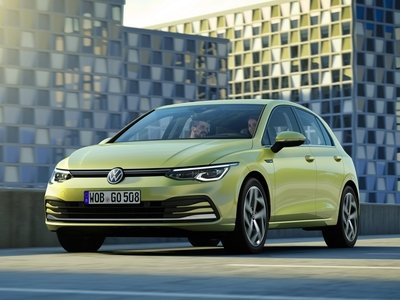
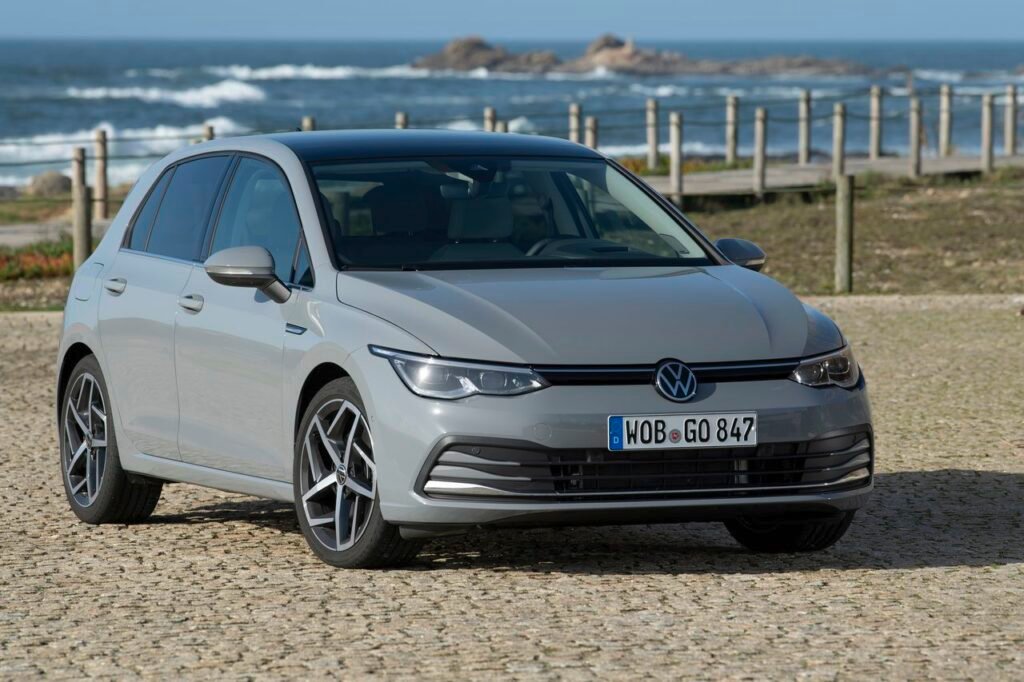
The Volkswagen Golf 8 equipped with the 1.5 TSI engine represents the latest evolution of Europe’s best-selling compact hatchback, combining refined performance with impressive efficiency. The EA211 evo powerplant delivers either 130 or 150 horsepower depending on tune, featuring advanced technologies including Miller cycle combustion, variable geometry turbocharging, and Active Cylinder Management. Understanding proper oil specifications for this sophisticated engine ensures optimal performance, fuel economy, and longevity while avoiding the potential issues that have plagued some TSI engines.
Engine Oil Specifications
1.5 TSI 130 HP (DPBA Engine Code)
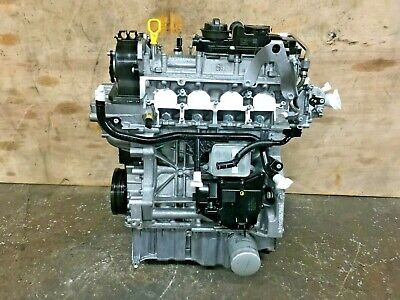
Technical Specifications:
- Oil viscosity: SAE 0W-20 (mandatory)
- Oil capacity: 4.3 liters (4.5 quarts) with filter
- Required specification: VW 508 00 / VW 509 00, ACEA C5, API SN Plus or SP
- Horsepower: 130 HP (96 kW) @ 5,000-5,500 RPM
- Torque: 200 Nm (148 lb-ft) @ 1,500-3,500 RPM
- Fuel type: Gasoline (95 RON minimum recommended)
- Compression ratio: 10.5:1
- Engine code: DPBA
- Features: Miller cycle, VTG turbocharger, Active Cylinder Management, direct injection
- Available transmissions: 6-speed manual, 7-speed DSG
Recommended oil: Castrol EDGE Professional LL IV FE 0W-20 (see on Amazon)
Recommended oil filter: Bosch P7143 (see on Amazon)
1.5 TSI 150 HP (DPCA Engine Code)
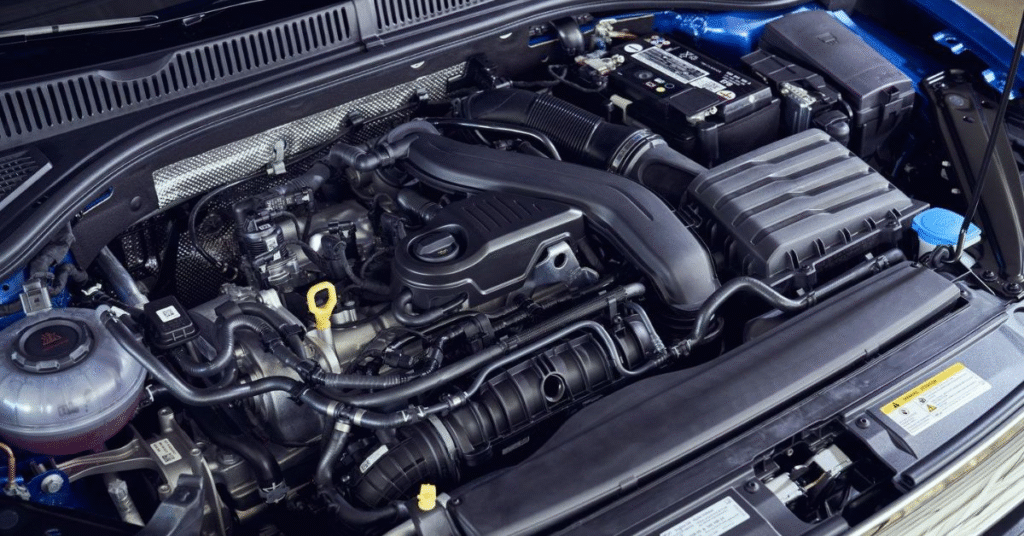
Technical Specifications:
- Oil viscosity: SAE 0W-20 (mandatory)
- Oil capacity: 4.3 liters (4.5 quarts) with filter
- Required specification: VW 508 00 / VW 509 00, ACEA C5, API SN Plus or SP
- Horsepower: 150 HP (110 kW) @ 5,000-6,000 RPM
- Torque: 250 Nm (184 lb-ft) @ 1,500-3,500 RPM
- Fuel type: Gasoline (95 RON minimum, 98 RON recommended)
- Compression ratio: 10.5:1
- Engine code: DPCA
- Features: Miller cycle, VTG turbocharger, Active Cylinder Management, direct injection
- Available transmissions: 6-speed manual, 7-speed DSG
- 0-100 km/h: 8.5 seconds (DSG), 9.3 seconds (manual)
Recommended oil: Castrol EDGE Professional LL IV FE 0W-20 (see on Amazon)
Recommended oil filter: Bosch P7143 (see on Amazon)
1.5 eTSI 130/150 HP (Mild Hybrid Variants)
Technical Specifications:
- Oil viscosity: SAE 0W-20 (mandatory)
- Oil capacity: 4.3 liters (4.5 quarts) with filter
- Required specification: VW 508 00 / VW 509 00, ACEA C5, API SN Plus or SP
- Horsepower: 130 HP (96 kW) or 150 HP (110 kW) depending on variant
- Torque: 200-250 Nm @ 1,500-3,500 RPM
- Fuel type: Gasoline (95 RON minimum)
- 48V mild hybrid system: Belt-driven starter-generator, 48V lithium-ion battery
- Transmission: 7-speed DSG only (mild hybrid not available with manual)
- Additional features: Extended start-stop, coasting/sailing mode, brake energy recuperation
Recommended oil: Castrol EDGE Professional LL IV FE 0W-20 (see on Amazon)
Recommended oil filter: Bosch P7143 (see on Amazon)
The Golf 8 and EA211 evo Engine
Launched in 2019, the eighth-generation Golf brought evolutionary refinements to the iconic nameplate while incorporating Volkswagen’s latest MQB Evo platform and digital cockpit technology. The 1.5 TSI engine serves as the volume powerplant across Europe, offering an excellent balance between performance (0-100 km/h in 8.5-9.3 seconds depending on version) and efficiency (combined consumption around 5.3-5.5 L/100 km).
The EA211 evo engine family represents Volkswagen’s fourth-generation small-displacement turbocharged powerplant. This 1.5-liter four-cylinder features an aluminum block with cast-iron cylinder liners, a forged steel crankshaft, and aluminum pistons with optimized cooling galleries. The 74.5mm bore and 85.9mm stroke create a “long-stroke” configuration that favors mid-range torque over high-RPM power—perfect for real-world driving scenarios.
Key technologies include Miller cycle combustion achieved through late intake valve closing, which effectively reduces the compression stroke for improved efficiency. The variable geometry turbocharger (VTG) provides instant boost response across the rev range without the lag characteristic of traditional turbos. Active Cylinder Management (ACT) seamlessly deactivates two cylinders during light-load cruising, converting the engine into a temporary twin-cylinder for reduced fuel consumption.
The eTSI Mild Hybrid System
Many Golf 8 models feature the eTSI mild hybrid configuration, adding a 48-volt belt-driven starter-generator and lithium-ion battery. This system enables engine start-stop operation at speeds up to 15 km/h, provides electric assist during acceleration, and recovers energy during braking. The mild hybrid system doesn’t change oil specifications but does create additional start-stop cycles that stress lubrication systems more than conventional powertrains.
The 48V system’s ability to shut off the engine while coasting (sailing mode) means the 1.5 TSI experiences frequent on-off cycles. During these shutdowns, oil drains from upper engine components. When the engine restarts seconds later, proper oil viscosity becomes critical for instant circulation to prevent wear. This makes ultra-low viscosity synthetic oils like 0W-20 essential rather than optional.
Understanding VW 508 00 and Ultra-Low Viscosity Requirements
Volkswagen specifies VW 508 00 / 509 00 approved oils for the Golf 8 1.5 TSI, representing the manufacturer’s most advanced oil standard. This specification mandates SAE 0W-20 viscosity with ACEA C5 performance level, ensuring compatibility with advanced emissions control systems while providing exceptional fuel economy benefits.
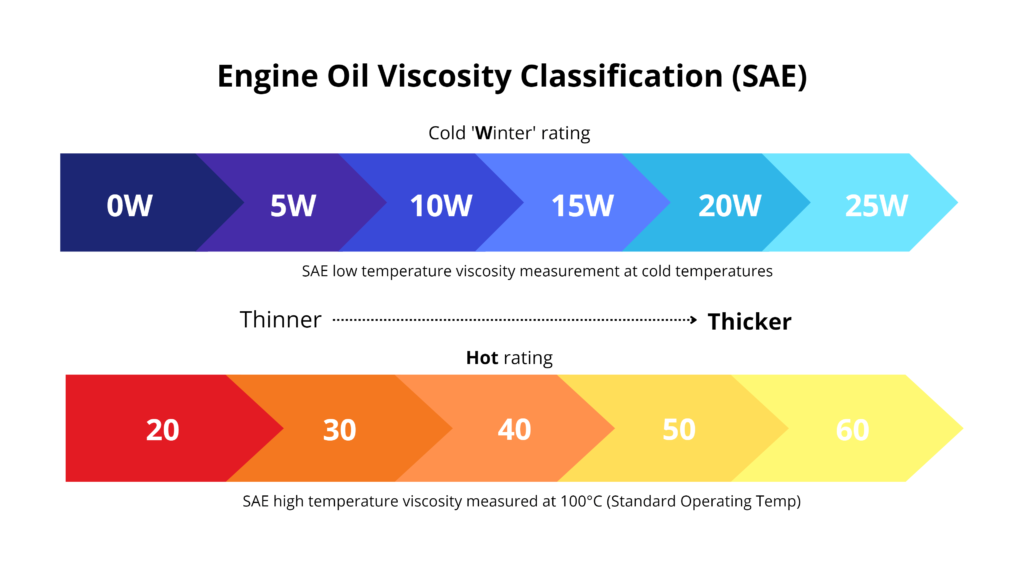
The 0W-20 viscosity represents one of the thinnest oil grades available, reducing internal friction by approximately 4-6% compared to traditional 5W-30 formulations. The “0W” winter rating ensures instant flow even at -35°C, critical for cold-start protection and rapid circulation to variable valve timing components and turbocharger bearings. The “20” hot rating maintains adequate film strength at operating temperatures through premium synthetic base stocks that conventional oils cannot match at this low viscosity.
VW 508 00 specification demands:
- Extended drain capability up to 30,000 km (though practical intervals should be much shorter)
- Low SAPS (Sulfated Ash, Phosphorus, Sulfur) formulation for gasoline particulate filter compatibility
- Protection against low-speed pre-ignition (LSPI) in turbocharged direct-injection engines
- Exceptional thermal stability for cylinder deactivation operation
- Compatibility with start-stop systems experiencing thousands of cycles
Critical note: Older VW specifications like VW 502 00 or VW 504 00 (5W-30) are NOT approved for Golf 8 1.5 TSI engines and should never be used, as they lack the precise formulation these modern engines require.
The EA211 evo: Engineering Excellence and Potential Pitfalls
The 1.5 TSI EA211 evo represents sophisticated engineering that delivers impressive performance and efficiency when properly maintained. However, like many modern turbocharged direct-injection engines, it presents potential issues owners must understand and proactively address.
Oil Consumption: A Persistent Concern
Some 1.5 TSI engines exhibit excessive oil consumption, particularly during the initial 10,000-15,000 km break-in period. Owners report consumption ranging from 500ml to 1 liter per 10,000 km, with some experiencing even higher rates. This occurs due to:
Piston ring bedding: During initial operation, piston rings gradually seat against cylinder walls, creating a proper seal. Until this process completes, some oil passes into the combustion chamber.
PCV system characteristics: The Positive Crankcase Ventilation system can contribute to oil consumption, particularly if the valve becomes stuck or restricted.
Turbocharger oil usage: The variable geometry turbo operates at extreme speeds exceeding 200,000 RPM, consuming minute quantities of oil through its bearing system.
Volkswagen considers consumption up to 0.5 liters per 1,000 km technically acceptable during break-in, though most engines stabilize well below this after 15,000-20,000 km. Monitor oil levels every 1,000 km during the first 20,000 km, topping off as needed with VW 508 00 approved oil.
Carbon Buildup on Intake Valves
As a direct injection engine, the 1.5 TSI sprays fuel directly into combustion chambers rather than into intake ports. This eliminates fuel’s cleaning action on intake valves, allowing carbon deposits to accumulate over time. Symptoms include:
- Rough idle, especially when cold
- Hesitation during acceleration
- Reduced fuel economy
- Engine misfires or rough running
Prevention strategies:
- Use premium 98 RON fuel containing detergent additives
- Occasionally drive spiritedly, allowing the engine to reach higher RPMs
- Add quality fuel system cleaners every 5,000-10,000 km
- Consider walnut blasting service at 60,000-80,000 km intervals
Walnut blasting uses crushed walnut shells propelled by compressed air to remove carbon deposits without damaging valve surfaces. This service typically costs €200-400 but can dramatically improve performance on high-mileage engines.
Timing Chain Wear Concerns
While less common than on some earlier TSI engines, timing chain wear remains a potential issue requiring vigilance. The chain operates in oil, and degraded lubrication accelerates wear. Warning signs include:
- Rattling noise from the engine bay during cold starts
- Rough running or misfires
- Check engine light with timing-related fault codes
Prevention: Strict adherence to oil change intervals using only VW 508 00 approved oils provides the best protection. Never exceed 15,000 km between changes regardless of VW’s extended service recommendations.
Oil Change Intervals: Theory vs. Reality
Volkswagen’s official service schedule recommends oil changes at 30,000 km or 2 years for engines using VW 508 00 oil. While modern synthetics theoretically support these extended intervals under ideal laboratory conditions, real-world driving rarely qualifies as “ideal.”
Recommended practical intervals:
Every 10,000-15,000 km or annually for normal driving: This interval provides excellent protection while avoiding the risks of VW’s aggressive 30,000 km recommendation. Most independent mechanics and enthusiasts consider 15,000 km the maximum prudent interval even with premium synthetic oils.
Every 7,500-10,000 km for severe service including:
- Frequent short trips under 10 km
- Extensive city driving with stop-and-go traffic
- Mountainous or hilly terrain operation
- Towing trailers or roof boxes
- Dusty or dirty environments
- Extreme temperature operation
The critical first oil change: Consider performing the initial service at 5,000-7,500 km rather than waiting for VW’s recommended 30,000 km interval. This early change removes metallic particles from initial break-in wear and establishes a maintenance baseline. Many dealers now recommend this practice despite it not being officially mandated.
For eTSI mild hybrid variants, the frequent engine start-stop cycles create more demanding conditions than conventional vehicles. Consider the shorter end of recommended intervals (10,000 km) to account for the additional stress.
Approved Oil Brands and Formulations
Only use oils explicitly displaying VW 508 00 or VW 509 00 approval on the container. Major brands offering approved formulations include:
Castrol EDGE Professional LL IV FE 0W-20: Premium full synthetic meeting VW 508 00/509 00, Porsche C20, and ACEA C5/C6 specifications. Features Castrol’s Fluid TITANIUM technology for maximum protection under pressure.
Mobil 1 ESP Formula 0W-20: Advanced full synthetic meeting VW 508 00/509 00 standards with exceptional thermal stability and LSPI protection. Popular choice among VW enthusiasts.
Shell Helix Ultra Professional AF 0W-20: PurePlus Technology synthetic meeting VW 508 00/509 00 specifications. Excellent oxidation resistance for extended drain intervals.
Total Quartz INEO First 0W-20: French synthetic meeting VW 508 00/509 00 standards with strong European market presence.
Liqui Moly Special Tec LR 0W-20: German synthetic approved to VW 508 00/509 00 with molybdenum-based friction modifiers.
Ravenol VMP 0W-20: High-performance synthetic meeting VW 508 00/509 00 specifications, popular in German markets.
Genuine VW Longlife IV 0W-20: Factory-branded oil (typically supplied by Castrol or another major manufacturer) guaranteeing warranty compliance.
Warning: Never use oils approved only to older VW specifications like VW 502 00, VW 504 00, or VW 507 00. These lack the precise formulation Golf 8 1.5 TSI engines require and can void warranty coverage or cause long-term damage despite meeting generic API or ACEA standards.
The 0W-20 Viscosity: Addressing Concerns
Some owners question whether ultra-thin 0W-20 oil provides adequate protection for turbocharged engines experiencing high loads during spirited driving or autobahn cruising. These concerns are understandable but ultimately unfounded when using quality VW 508 00 approved oils.
Modern full synthetic 0W-20 formulations maintain significantly better film strength at operating temperatures than conventional 10W-40 or 15W-40 oils used in trucks decades ago. The synthetic base stocks and advanced additive packages create robust protective films despite lower viscosity numbers.
The aluminum block and iron liner construction of the EA211 evo dissipates heat efficiently, reducing peak oil temperatures and thermal stress. The precision manufacturing with tight bearing clearances was specifically engineered for low-viscosity oils, and using heavier viscosities can actually impede flow to critical components.
Never substitute heavier oils like 5W-30 or 5W-40 thinking they provide “extra protection.” These viscosities were not tested or approved for Golf 8 1.5 TSI engines and can:
- Increase oil pump resistance and reduce flow to critical components
- Impair variable valve timing operation requiring instant oil pressure response
- Reduce fuel economy significantly (the entire engine calibration assumes 0W-20 friction levels)
- Potentially void warranty coverage
Fuel Quality and Its Impact on Oil Life
The 1.5 TSI’s direct injection and turbocharging make fuel quality critically important for oil life and engine longevity. Poor-quality fuel or incorrect octane ratings accelerate oil contamination and carbon buildup.
Minimum fuel requirements: 95 RON (regular unleaded) meets VW’s minimum specification, but 98 RON (premium/super unleaded) provides measurable benefits:
- Reduced carbon deposits on intake valves and combustion chambers
- Lower likelihood of low-speed pre-ignition events under high load
- Better fuel economy (often offsetting the higher cost)
- Cleaner combustion reducing oil contamination
Premium 98 RON fuels from major brands (Shell V-Power, Total Excellium, BP Ultimate) contain enhanced detergent additive packages that help keep fuel systems and intake valves cleaner. Consider using premium fuel for at least one tank every three fill-ups to maintain system cleanliness.
High-Mileage Considerations
As Golf 8 1.5 TSI engines accumulate kilometers, certain maintenance adjustments become beneficial:
Continue using VW 508 00 approved oils: Unlike some engines where owners switch to heavier viscosities after 100,000 km, the Golf 8 must continue using 0W-20 regardless of mileage. The tight bearing clearances and oil passages demand this specific viscosity throughout the engine’s life.
Monitor oil consumption closely: Check levels every 1,000 km on engines with 80,000+ km. Consumption increasing beyond normal patterns may indicate worn piston rings or valve guide seals requiring attention.
Consider shorter oil change intervals: After 100,000 km, reducing intervals to 10,000 km even under normal driving provides additional insurance against age-related wear.
Address carbon buildup proactively: Schedule walnut blasting service at 60,000-80,000 km intervals to maintain performance and prevent intake valve deposit-related issues.
Use premium fuel consistently: High-mileage engines benefit even more from quality 98 RON fuel’s enhanced detergent packages.
Critical Maintenance Reminders
Never exceed 15,000 km between oil changes regardless of VW’s official 30,000 km recommendation. The extended intervals assume ideal conditions that rarely exist in reality.
Check oil levels monthly between services. The 4.3-liter capacity means even 500ml consumption drops the level noticeably, and low oil conditions can damage turbochargers and timing chains.
Use only VW 508 00/509 00 approved oils in correct 0W-20 viscosity. Other specifications or viscosities can void warranty and cause long-term damage.
Replace filters with every oil change using quality units from Mann, Mahle, or OE VW parts.
Monitor for warning signs: Timing chain rattle, excessive oil consumption, rough idle, or carbon buildup symptoms require immediate attention rather than hoping they resolve themselves.
Keep detailed maintenance records documenting every service with dates, mileage, oil brand, and any observations. This proves invaluable for warranty claims and demonstrates proper care when selling.
The Volkswagen Golf 8 1.5 TSI represents an excellent compact hatchback combining refinement, efficiency, and engaging driving dynamics. Proper oil maintenance ensures these sophisticated engines deliver the longevity and reliability that made the Golf Europe’s best-selling car for over four decades.