Which Engine Oil to Choose for Your Peugeot 107?
With its economical gasoline engines and rare small diesel, the Peugeot 107 (2005-2014) requires oil suited to each version. Discover the ideal specification for your engine, oil change intervals, and our maintenance advice.
Which Oil for Each Peugeot 107 Engine ?
1.2L 68 hp (3-cylinder gasoline – 1KR-FE/EP3)
Standard: ACEA A1/B1 or PSA B71 2290
Viscosity: 5W-30
Recommended oil: Castrol Edge 5W-30 LL (see on Amazon)
Capacity: 3.2L (with filter)
1.0L 67 hp (3-cylinder gasoline – 1KR-FE)
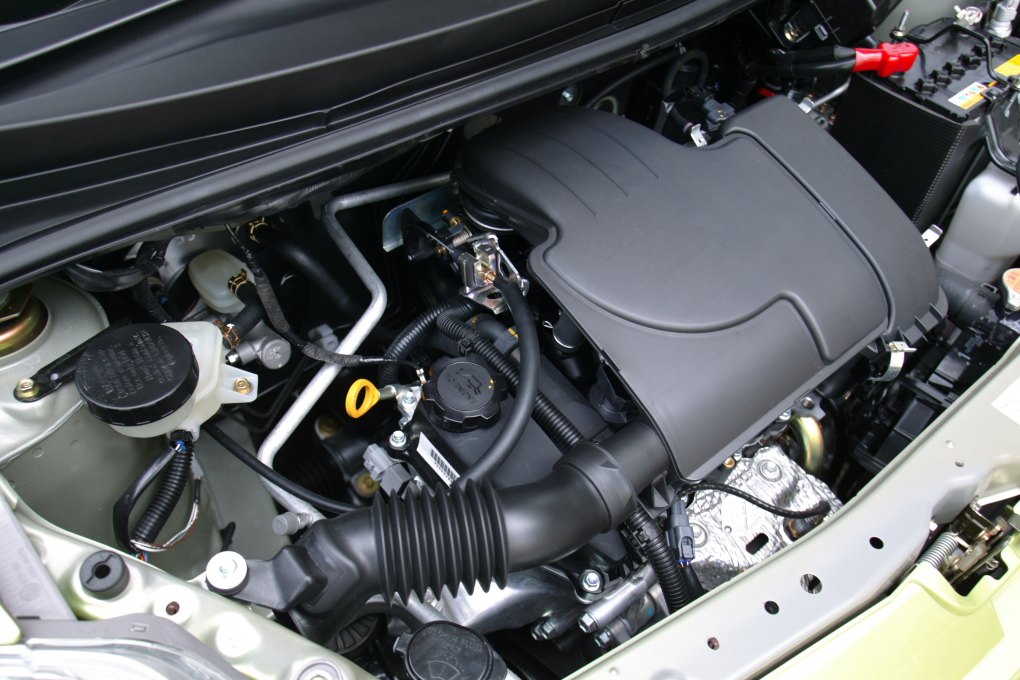
Standard: Same as 1.2L
Viscosity: 5W-30
Recommended oil: Castrol Edge 5W-30 LL (see on Amazon)
Capacity: 3.0L (with filter)
1.4L HDi 54 hp (Diesel – DV4) (rare)
Standard: ACEA C2 (with DPF) or B71 2296
Viscosity: 5W-30
Recommended oil: Castrol Edge 5W-30 LL (see on Amazon)
Capacity: 3.5L
When to Change Your Peugeot 107’s Oil?
Gasoline engines: Every 10,000 km (city driving) to 15,000 km (mixed driving)
HDi Diesel: Every 15,000 km maximum (to preserve the turbo)
Synthetic oil: Can reach up to 20,000 km (highway driving)
⚠️ Important note: Small 3-cylinder engines tend to clog quickly in city driving conditions – it’s better to change oil more frequently!
Our Selection of Suitable Oils
See details
Engine Type | Recommended Product | Average Price |
|---|---|---|
1.0L/1.2L gasoline | €45/5L | |
1.4L HDi diesel | €45/5L | |
All engines | €45/5L |
💡 Money-saving tip: 5-liter containers are sufficient for a complete oil change.
Oil Change Tutorial (1.2L gasoline)
Required Materials
- 24mm wrench for drain plug
- New oil filter
- New drain plug washer
- 3.2L of 5W-30 oil
Step-by-Step Instructions
- Warm up the engine (2 minutes at idle)
- Unscrew the drain plug located under the oil sump
- Replace the oil filter on the passenger side (accessible without major disassembly)
- Fill with 3L of oil, then check the dipstick level when the engine is cold
Common Mistakes to Avoid
Using oil that’s too thick: Only use 10W-40 if you have existing oil leaks
Forgetting the drain plug washer: This will guarantee an oil leak
Exceeding recommended intervals: Going beyond 20,000 km causes rapid clogging in small engines
🔧 Professional advice: For 1.4L HDi engines, choose Low SAPS oils to preserve the diesel particulate filter (DPF).
Why Is Engine Oil Crucial for Your Peugeot 107?
Engine oil is the lifeblood of your Peugeot 107’s compact engine, serving multiple critical functions that directly impact performance and longevity. The 107’s small 3-cylinder gasoline engines and rare diesel variant depend on proper lubrication to operate efficiently under various driving conditions. The primary role of engine oil is to create a protective film between moving metal parts, dramatically reducing friction and preventing premature wear on components like pistons, crankshafts, and camshafts. Without this essential lubrication, metal-on-metal contact would generate excessive heat and cause catastrophic engine damage within a short period.
Beyond simple lubrication, engine oil performs several vital secondary functions in your Peugeot 107. It acts as a coolant by absorbing and dissipating heat generated by combustion and friction, helping maintain optimal operating temperatures throughout the engine block. The oil also serves as a cleaning agent, suspending dirt particles, combustion byproducts, and metal debris before carrying them to the oil filter where they’re trapped and removed from circulation. Additionally, modern engine oils contain special additives that form a protective barrier against corrosion on internal engine surfaces, preventing rust and oxidation that could compromise engine integrity over time.
The Specific Importance of Correct Oil Specification for Your Peugeot 107
Using the manufacturer-recommended oil specification is particularly critical for the Peugeot 107’s small-displacement engines. The recommended 5W-30 viscosity provides optimal protection across a wide temperature range – the “5W” ensures easy cold starts and immediate oil circulation during winter mornings, while the “30” maintains adequate thickness and protection when the engine reaches full operating temperature. Using an incorrect viscosity, such as a thicker 10W-40 oil, can restrict oil flow through the narrow passages in the 107’s compact engine design, leading to inadequate lubrication of critical components and reduced fuel efficiency. The ACEA A1/B1 specification for gasoline engines and ACEA C2 for the diesel variant are specifically formulated to meet the unique requirements of these modern, efficient powertrains.
The consequences of using substandard or incorrect oil in your Peugeot 107 can be severe and costly. Improper oil viscosity or quality leads to increased engine wear, reduced fuel economy, higher emissions, and sluggish performance. In the 1.4L HDi diesel variant, using oil without the proper Low SAPS (Low Sulfated Ash, Phosphorus, and Sulfur) formulation can cause premature clogging of the diesel particulate filter, resulting in expensive repairs. For the gasoline engines, incorrect oil can accelerate carbon buildup on intake valves and piston crowns, eventually causing rough idling, misfires, and loss of power.
Why Regular Oil Changes Are Essential for Small 3-Cylinder Engines
The Peugeot 107’s 3-cylinder engines, while economical and efficient, are particularly susceptible to oil degradation due to their compact design and high operating temperatures. As oil circulates through the engine, it gradually breaks down from heat exposure and becomes contaminated with combustion byproducts, moisture, and microscopic metal particles. Over time, these contaminants overwhelm the oil’s additive package, reducing its ability to protect engine components effectively. In city driving conditions, where the 107 typically operates, the engine rarely reaches optimal operating temperature for extended periods, leading to faster oil contamination from unburned fuel and moisture accumulation.
Following the recommended oil change intervals – every 10,000 to 15,000 km for gasoline engines and 15,000 km maximum for the diesel – is essential preventative maintenance that protects your investment. Fresh oil maintains proper engine cleanliness, ensures optimal lubrication under all operating conditions, and preserves fuel efficiency. The relatively small oil capacity of the 107 (3.0-3.5L) means there’s less oil available to dilute contaminants, making regular changes even more important. Additionally, replacing the oil filter during each service ensures that the new oil remains clean and can perform its protective functions effectively. The modest cost of routine oil changes is insignificant compared to the thousands of euros required to repair or replace an engine damaged by neglected maintenance.
Conclusion
Whether you drive a fuel-efficient 1.0L or a rare 1.4L HDi, quality 5W-30 oil (synthetic or mineral depending on your budget) will significantly extend your Peugeot 107’s lifespan. Remember to:
Allow the engine to warm up in winter before high-revving acceleration
Check the oil level every 2,000 km (these engines are sensitive to oil consumption)
Reduce oil change intervals if you primarily drive in the city