Best Engine Oil for Opel/Vauxhall Astra K 1.6 CDTi 110/136 HP
The Opel/Vauxhall Astra K with the 1.6 CDTi diesel (2015-2022) delivers impressive fuel economy (3.2-4.0 L/100 km) and adequate torque (300/320 Nm) from a compact turbodiesel. Sharing D16DTI/D16DTH architecture across both outputs with ECU calibration differences, this aluminum-block diesel faces documented dual timing chain premature failure compounded by electronically controlled oil pump pressure reduction causing hydraulic tensioner inadequate operation leading to catastrophic engine damage requiring engine removal for repair. Understanding correct GM dexos2 diesel oil specification, implementing shortened intervals (10,000-12,000 km vs official 15,000 km), recognizing critical warning signs (cold-start rattle, idle rattle after warm-up), and appreciating that chain replacement requires engine-out repair (£1,700-3,000+) while Vauxhall’s “modified gasket fix” proves largely ineffective enables owners to mitigate dual chain vulnerabilities.
Quick Answer: Recommended Oil
For Astra K 1.6 CDTi (both variants):
- Viscosity: SAE 5W-30 (mandatory for diesel)
- GM specification: dexos2 (mandatory for dual chain protection)
- ACEA: C3 (low-SAPS for DPF)
- Capacity: 5.0 liters with filter
- Recommended oils:
- Opel GM Genuine 5W-30 dexos2 (OEM specification)
- Mobil 1 ESP Formula 5W-30 (see on Amazon)
- Castrol Oil Edge 5W-30 C3 (see on Amazon)
- Shell Helix Ultra Professional AF 5W-30 (Diesel quality)
CRITICAL DUAL CHAIN + OIL PUMP DESIGN FLAW WARNING: The 1.6 CDTi experiences documented premature failure of BOTH cam timing chain AND oil pump chain starting 60,000-100,000 km. Critically, the electronically controlled oil pump reduces pressure at idle/low load to save fuel—this causes hydraulic timing chain tensioner insufficient pressure resulting in chain slack, plastic guide degradation, particles blocking oil pump screen, complete chain failure. Engine-out repair required (14 hours labor, £1,700-3,000+). Vauxhall’s “modified tensioner gasket” TSB fix proves largely ineffective. Conservative oil intervals (10,000-12,000 km) using quality dexos2 oil essential. Listen for cold-start rattle—if present, immediate professional inspection mandatory.
Technical Specifications by Power Output
1.6 CDTi 110 HP (81 kW) – Code D16DTI:
Power 110 HP @ 3,750 RPM, torque 300 Nm @ 1,750-2,500 RPM, 0-100 km/h 10.9-11.3s, 195 km/h top speed, 3.4-4.0 L/100 km combined. 6-speed manual. Weight 1,270-1,330 kg. Entry-level diesel, excellent economy.
1.6 CDTi 136 HP (100 kW) – Code D16DTH:
Power 136 HP @ 4,000 RPM, torque 320 Nm @ 1,750-2,500 RPM, 0-100 km/h 9.2-9.9s, 205 km/h top speed, 3.2-3.9 L/100 km combined. 6-speed manual or 6-speed automatic. Weight 1,295-1,360 kg. Enhanced performance, automatic transmission option.
Oil Requirements (Both Variants):
Viscosity SAE 5W-30, GM dexos2 mandatory, capacity 5.0L with filter, ACEA C3, recommended intervals 10,000-12,000 km (shortened from GM official 15,000 km protecting dual chain systems + DPF).
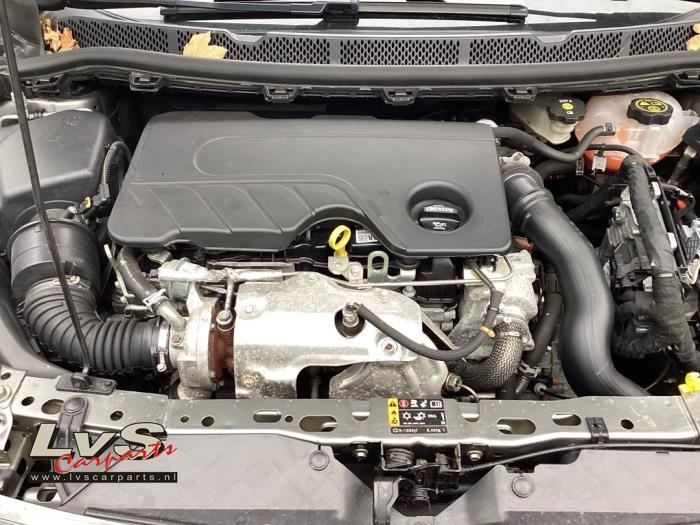
Both variants share D16DTI/D16DTH architecture—1,598cc aluminum block with iron liners, aluminum DOHC head, common-rail direct injection, VGT turbocharger, DPF, dual timing chain system (cam chain + separate oil pump chain), electronically controlled variable oil pump. Power difference achieved through ECU mapping and turbocharger calibration—both share similar torque curves and identical dual chain + oil pump design flaw.
Oil Specification: GM dexos2 for Diesel
GM dexos2 gasoline/diesel-compatible specification emphasizes timing chain protection, low-SAPS DPF compatibility, diesel dispersancy, and high-temperature stability.
Dual Chain Protection: Quality dexos2 at 10,000-12,000 km maintains lubrication for cam and oil pump chains despite electronically controlled pump pressure reduction.
ACEA C3 Low-SAPS: Essential for DPF longevity providing robust diesel dispersancy (soot handling), chain protection, turbocharger lubrication, emissions compatibility.
5W-30 Viscosity: Excellent cold-start protection (critical for diesel hydraulic tensioner), adequate high-temperature protection, optimal flow for variable oil pump.
Capacity (5.0L): Larger than 1.4 Turbo petrol (4.0L) providing enhanced thermal margin. However, dual chain contamination (plastic particles) + diesel soot loading justifies conservative intervals.
Dual Chain Failure + Oil Pump Design Flaw
Documented Problem: The 1.6 CDTi experiences premature failure of cam timing chain AND oil pump chain starting 60,000-100,000 km, compounded by flawed electronically controlled oil pump design.
Root Cause: GM designed oil pump with electronic valve reducing pressure at idle/low loads (<2,000 RPM) to save ~0.05 L/100 km fuel. However, timing chain tensioner is HYDRAULIC requiring adequate oil pressure. Reduced pressure = inadequate tensioner = chain slack = accelerated plastic guide wear = catastrophic failure.
Failure Sequence: Electronic pump reduces pressure → Tensioner insufficient pressure → Chain slack → Plastic guides wear → Particles block oil pump screen → Further reduced pressure → Complete failure → Catastrophic damage (bent valves, piston damage).
Warning Signs: Cold-start rattle 1-3 seconds, rattle at idle after warm-up (reduced pressure effect), oil pressure warning, check engine light, any rattling from rear of engine.
Consequences: Engine-out repair required (timing chain at gearbox side). Costs: £1,700-3,000+ (14+ hours labor).
Vauxhall’s “Fix”: TSB offers modified gasket behind tensioner supposedly retaining oil. However, multiple reports confirm this proves largely ineffective—rattle returns, problem persists. True fix requires complete chain replacement with redesigned tensioner AND oil pump.
Owner Workaround: Some disconnect electronic oil pump control valve (rear of engine above left driveshaft) forcing full pressure. Eliminates reduced pressure issue BUT triggers ECU code (not MIL) and increases fuel consumption ~0.05 L/100 km. Controversial but effective.
Prevention: Intervals 10,000-12,000 km maximum, quality dexos2 exclusively, monitor startup AND idle rattle, professional inspection for any noise, preventive dual chain replacement 100,000-120,000 km with unknown history, avoid excessive urban/short trips (minimizes idle at reduced pressure).
Top Oil Recommendations
Best for Diesel Dual Chain Protection: Mobil 1 ESP Formula 5W-30 (see on Amazon)
dexos2 approved with exceptional film strength protecting plastic chain guides despite pressure reduction. Superior diesel dispersancy for soot handling. Excellent turbocharger protection. Premium choice justifying cost for critical dual chain + DPF protection. Cost: £50-65/5L.
OEM Specification: Opel GM Genuine 5W-30 dexos2
Factory diesel oil meeting exact GM requirements for dual chain + DPF system. Proven protection for timing chain, oil pump chain, turbocharger, and DPF. Available through Opel/Vauxhall dealers. Cost: £45-60/5L.
Proven Quality: Castrol Oil Edge 5W-30 C3 (see on Amazon)
dexos2 approved offering robust dual chain + DPF protection. Widely available, reasonable pricing for 5.0L capacity. Adequate for conservative 10,000-12,000 km diesel intervals. Cost: £40-55/5L.
Diesel Specialist: Shell Helix Ultra Professional AF 5W-30
dexos2 approved diesel-focused formulation. Excellent DPF protection and diesel dispersancy. Suitable for conservative service intervals. Cost: £38-48/5L.
Oil Change Intervals & Diesel Maintenance
GM Official: 15,000 km or 12 months Recommended: 10,000-12,000 km or annually
Why Shortened? GM intervals excessive for dual chain diesel with pressure reduction flaw. 5.0L capacity contaminated with plastic particles + diesel soot. DPF demands quality low-SAPS oil at conservative intervals.
Guidelines: Urban/short trips 10,000 km, mixed 11,000-12,000 km, motorway 12,000 km maximum, 60,000+ km vehicles 10,000 km, always annually.
Diesel Maintenance: DPF regeneration (weekly motorway 20-30 km @ 80+ km/h), fuel filter 15,000-20,000 km (quality diesel protecting common-rail), air filter 15,000-20,000 km, EGR inspection 80,000-100,000 km, AdBlue system (if equipped), timing chain inspection every 40,000 km.
110 HP vs 136 HP: Identical dual chain service required, same design flaw, same catastrophic repair. 136 HP automatic adds complexity (fluid changes 60,000 km).
Maximizing Longevity
Essential: dexos2 10,000-12,000 km, monitor cold-start AND idle rattle, professional inspection for timing noise or oil warning, DPF management through motorway driving, quality diesel exclusively, fuel filter 15,000-20,000 km.
Dual Chain Best Practices: Never exceed 12,000 km, use only dexos2 diesel-spec oil, listen for startup AND idle rattle, oil pressure warning requires immediate shutdown, avoid excessive urban use (minimizes idle at reduced pressure), consider oil pump control valve disconnect (controversial but effective), preventive replacement 100,000-120,000 km if unknown history.
Reality: Excellent economy (3.2-4.0 L/100 km) and torque. However, dual chain failure compounded by oil pump pressure reduction design flaw represents severe vulnerability. Engine-out repair (£1,700-3,000+) makes preventive maintenance essential. Conservative dexos2 service achieves 200,000-300,000+ km—neglected maintenance risks catastrophic failure. Vauxhall’s modified gasket largely ineffective—true prevention requires proper oil maintenance or oil pump modification.
Conclusion
The Opel/Vauxhall Astra K 1.6 CDTi (110/136 HP) requires GM dexos2 approved SAE 5W-30 diesel oil with 5.0-liter capacity at shortened 10,000-12,000 km intervals for dual timing chain protection and DPF longevity.
Choose proven diesel oils: Mobil 1 ESP (best dual chain + DPF), Opel GM Genuine (OEM diesel), Castrol Edge (proven quality), Shell Helix Ultra AF (diesel specialist). Verify dexos2 approval.
Dual Chain + Oil Pump Design Flaw Reality: Documented premature failure of cam timing chain AND oil pump chain starting 60,000-100,000 km compounded by electronically controlled oil pump reducing pressure at idle/low load causing hydraulic tensioner insufficient operation. Plastic guide degradation creates particles blocking oil pump screen causing oil starvation and catastrophic engine damage. Engine-out repair extremely expensive (£1,700-3,000+, 14+ hours labor). Vauxhall’s modified tensioner gasket TSB “fix” proves largely ineffective per widespread owner reports. Shortened intervals (10,000-12,000 km vs 15,000 km official), quality dexos2 diesel oil exclusively, vigilant monitoring for cold-start AND idle rattle, professional evaluation for any concerning sounds, consideration of oil pump control valve disconnect modification, and DPF management through regular motorway driving prove essential. Prevention through consistent dexos2 diesel oil service substantially cheaper than catastrophic dual chain failure requiring complete engine removal—documented across wide mileage ranges affecting both 110 HP and 136 HP variants identically.