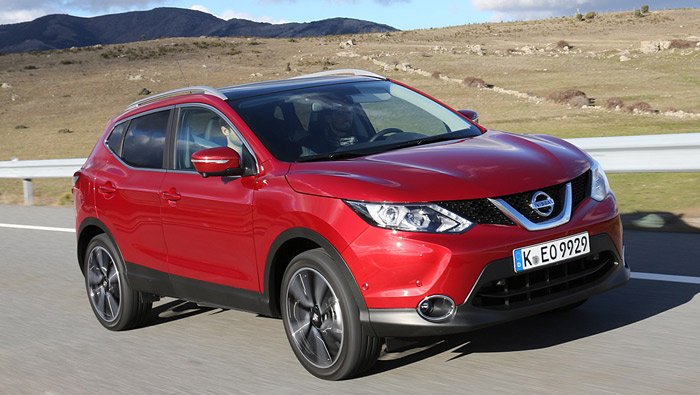
Best Engine Oil for Nissan Qashqai III (2021-Present): Complete Guide for All Engine Types
Introduction: Choosing the Right Engine Oil for Your Nissan Qashqai III
The Nissan Qashqai III, launched in 2021, represents the latest evolution of Europe’s pioneering compact crossover. With cutting-edge electrified powertrains, advanced safety features, and refined styling, the third-generation Qashqai continues its predecessor’s success while embracing modern automotive trends toward electrification and efficiency. Whether you own a mild hybrid gasoline engine, the innovative e-Power series hybrid, or the efficient diesel variant, maintaining optimal performance requires using the correct engine oil for your specific powertrain.
The Qashqai III’s engine range demonstrates Nissan’s commitment to electrification, with most variants incorporating some form of hybrid technology to improve efficiency and reduce emissions. These sophisticated powertrains combine internal combustion engines with electric motors and batteries, creating systems that demand oils meeting specific performance standards. Understanding these requirements and following proper maintenance procedures ensures your Qashqai III delivers the dependable service and efficiency Nissan engineered into these advanced vehicles.
This guide provides detailed, engine-specific recommendations for every Nissan Qashqai III variant. All recommendations are based on Nissan’s official specifications using ACEA standards and proven oil formulations. We’ll explore which oils to use, identify considerations specific to electrified powertrains, and provide maintenance strategies that help your Qashqai III deliver reliable performance throughout its operational life.
Understanding ACEA Oil Specifications for Electrified Vehicles
Nissan specifies various ACEA standards for Qashqai III engines depending on powertrain type. ACEA C3 applies to most gasoline engines and mild hybrid variants, representing “mid-SAPS” formulation balancing emissions system protection with adequate wear protection. ACEA C2 applies specifically to the e-Power hybrid’s gasoline generator engine, emphasizing fuel economy through lower viscosity specifications. ACEA C4 applies to diesel engines, providing the lowest SAPS content essential for diesel particulate filter longevity.
The varying viscosity specifications across the range—5W-30 for most variants and 0W-20 for e-Power—reflect each powertrain’s unique operating characteristics and efficiency objectives. Modern electrified vehicles often operate their combustion engines intermittently, creating unique lubrication challenges that demand quality synthetic oils maintaining protection even during frequent start-stop cycles.
Complete Oil Recommendation Table
See details
Engine | Type | Power | ACEA Standard | Viscosity | Capacity | Service Interval | Sensitive Points |
|---|---|---|---|---|---|---|---|
1.3 DIG-T Mild Hybrid | Gasoline | 140/158 hp | C3 | 5W-30 | 4.6 L | 15,000 km/1 year | Hybrid system |
1.5 e-Power | Hybrid | 190 hp | C2 | 0W-20 | 4.5 L | 15,000 km/1 year | Battery and electric motor |
1.3 DIG-T | Gasoline | 140/158 hp | C4 | 5W-30 | 4.6 L | 15,000 km/1 year | Turbocharger |
1.5 dCi Mild Hybrid | Diesel | 115 hp | C4 | 5W-30 | 5.3 L | 20,000 km/1 year | DPF system |
Best Engine Oil for Nissan Qashqai III Gasoline Engines
1.3 DIG-T Mild Hybrid 140/158 hp Engine: The Electrified Gasoline Solution
Technical Specifications:
- Oil capacity: 4.6 liters (with filter replacement)
- Oil filter type: Cartridge-style replaceable element
- Recommended oil: Castrol EDGE 5W-30 C3 (view on Amazon)
- Oil standard: ACEA C3
- Mild hybrid system: 12V battery-assisted turbocharger
- Service interval: 15,000 km or 1 year (whichever comes first)
The 1.3 DIG-T mild hybrid represents Nissan’s mainstream electrified powertrain, combining a turbocharged gasoline engine producing between 140 and 158 horsepower with a 12-volt mild hybrid system. The hybrid system assists during acceleration, recovers energy during deceleration, and enables extended engine-off coasting to improve fuel economy. This sophisticated integration demands quality oil capable of protecting the engine during frequent start-stop cycles characteristic of hybrid operation.
Castrol EDGE 5W-30 C3 provides optimal protection for this electrified powertrain, meeting ACEA C3 specifications while offering the advanced protection of fully synthetic formulation. The oil’s robust additive package ensures adequate lubrication during the frequent engine restarts characteristic of mild hybrid systems, when most wear occurs before full oil pressure develops. The low ash content protects catalytic converters essential for meeting stringent emissions standards while maintaining adequate protection for turbocharger bearings and direct injection components.
The mild hybrid system integrates seamlessly with the combustion engine, but this integration creates unique operating patterns that stress engine oil differently than conventional vehicles. The engine frequently stops and restarts, experiences varying load conditions as the electric motor assists or regenerates, and may operate at lower average temperatures during urban driving when electric assistance reduces engine load. These conditions make regular oil level monitoring particularly important, as the frequent thermal cycling can accelerate oil degradation compared to conventional vehicles experiencing more consistent operating patterns.
Maintaining proper oil levels becomes critical for hybrid systems, as the engine management system relies on adequate lubrication for optimal integration with the electric motor. Check oil levels monthly and always before long journeys, maintaining levels between minimum and maximum marks. The hybrid system’s complexity makes professional service recommended for most owners, ensuring all systems function correctly and receive proper maintenance attention.
1.3 DIG-T 140/158 hp Engine: The Conventional Turbo Option
Technical Specifications:
- Oil capacity: 4.6 liters (with filter replacement)
- Oil filter location: Top-mounted, accessible from engine bay
- Recommended oil: Castrol EDGE 5W-30 C4 (view on Amazon)
- Oil standard: ACEA C4
- Turbocharger boost: Up to 1.3 bar maximum pressure
- Service interval: 15,000 km or 1 year (whichever comes first)
The non-hybrid 1.3 DIG-T variant provides conventional turbocharged performance without hybrid assistance, producing the same power outputs through a straightforward turbocharged direct-injection design. This four-cylinder engine delivers strong performance and reasonable fuel economy while avoiding the complexity and additional cost of hybrid systems.
The turbocharger requires proper warm-up and cool-down procedures to ensure longevity. Always allow the engine to warm up properly before aggressive acceleration, and permit a 30-60 second cool-down idle after sustained high-speed driving. These simple practices significantly extend turbocharger service life by preventing thermal shock and ensuring adequate bearing lubrication during critical operating periods.
Best Engine Oil for Nissan Qashqai III Hybrid
1.5 e-Power 190 hp System: The Series Hybrid Innovation
Technical Specifications:
- Oil capacity: 4.5 liters (with filter replacement)
- Oil filter type: Cartridge element
- Recommended oil: Mobil 1 ESP 0W-20 (view on Amazon)
- Oil standard: ACEA C2
- Generator engine: 1.5L three-cylinder gasoline
- Service interval: 15,000 km or 1 year (whichever comes first)
The e-Power system represents Nissan’s unique approach to electrification, employing a series hybrid configuration where the gasoline engine serves exclusively as an electric generator, never directly driving the wheels. Electric motors provide all propulsion, powered by a combination of battery stored energy and electricity generated by the gasoline engine. This innovative system delivers electric vehicle driving characteristics while eliminating range anxiety through onboard power generation.
Mobil 1 ESP 0W-20 provides the specialized protection e-Power’s generator engine requires, meeting ACEA C2 specifications emphasizing fuel economy through ultra-low viscosity. The 0W-20 grade minimizes internal friction, maximizing the generator’s efficiency in converting fuel to electricity. This efficiency proves critical for the e-Power system’s overall performance, as any losses in generator efficiency directly impact vehicle range and fuel economy.
The generator engine operates differently than conventional automotive engines, running at optimized speeds and loads determined by the power management system rather than driver input. This unusual operating pattern creates unique lubrication requirements, as the engine may run continuously at steady speeds or remain off for extended periods depending on battery charge and power demands. The frequent transitions between running and stopped states demand oil maintaining protective properties during repeated thermal cycling.
Battery and electric motor maintenance becomes equally important for e-Power longevity, though these systems generally require minimal owner intervention beyond ensuring cooling system functionality. The sophisticated power management system monitors battery health, adjusts charging patterns to maximize longevity, and alerts drivers to any issues requiring professional attention. Regular dealer service ensures all systems receive proper maintenance and software updates that optimize performance and efficiency.
Best Engine Oil for Nissan Qashqai III Diesel
1.5 dCi Mild Hybrid 115 hp Engine: The Efficient Diesel Solution
Technical Specifications:
- Oil capacity: 5.3 liters (with filter replacement)
- Oil filter location: Top-mounted for easy access
- Recommended oil: Total Quartz INEO ECS 5W-30 (view on Amazon)
- Oil standard: ACEA C4 (Low SAPS)
- DPF equipped: Yes (requires ACEA C4 specification oil)
- Service interval: 20,000 km or 1 year (whichever comes first)
The 1.5 dCi mild hybrid combines Renault-Nissan Alliance’s proven diesel engine with 12-volt mild hybrid technology, producing 115 horsepower and approximately 260 Nm of torque. This sophisticated powertrain delivers exceptional fuel economy regularly exceeding 55 miles per gallon while the mild hybrid system assists during acceleration and recovers energy during deceleration, further improving efficiency.
Total Quartz INEO ECS 5W-30 provides optimal protection while meeting the mandatory ACEA C4 Low SAPS specification required for DPF compatibility. This fully synthetic oil balances reduced ash content essential for particulate filter longevity with adequate wear protection for the high-pressure fuel injection system, turbocharger bearings, and all internal components subjected to diesel engine stresses.
The diesel particulate filter requires regular highway driving to promote passive regeneration. The mild hybrid system’s efficiency improvements can actually complicate DPF maintenance in some circumstances, as reduced engine loads during electric-assisted operation may lower exhaust temperatures, potentially reducing passive regeneration opportunities. Incorporate weekly highway sessions of 20-30 minutes at speeds above 70 km/h to ensure the DPF remains clean and functions properly.
Regular verification of the particulate filtration system becomes important for diesel mild hybrid owners. Monitor the instrument cluster for DPF warning lights and respond promptly by driving at higher speeds to promote regeneration. Never ignore persistent DPF warnings, as continued operation with a severely clogged filter causes excessive exhaust backpressure damaging the turbocharger and potentially requiring expensive filter replacement.
Complete Oil Change Procedure
Required Tools and Materials:
- Oil filter wrench or appropriate socket
- New oil filter meeting Nissan specifications
- New drain plug crush washer
- Appropriate quantity and specification of engine oil
- Oil drain pan with 6-liter capacity
- Funnel, clean rags, and protective gloves
Procedure:
Warm the engine through a 5-10 minute drive. For hybrid variants, ensure the vehicle has operated in normal mode allowing the engine to reach operating temperature. Position the vehicle on level ground, engage the parking brake, then safely raise and support the front end.
Locate the drain plug on the oil pan bottom, place your drain pan beneath it, then carefully loosen. Allow complete draining for 10-15 minutes. Most Qashqai III engines feature top-mounted cartridge filters accessible from the engine bay, making filter changes straightforward compared to older designs.
Use the appropriate socket to loosen the filter housing cap, remove the old element, clean the housing thoroughly with clean rags, then install the new filter ensuring all O-rings are properly seated. Reinstall the housing cap torquing to specification (typically 25 Nm).
Clean the drain plug, install a new washer, then reinsert and torque to specification (typically 25-30 Nm). Lower the vehicle, remove the oil filler cap, and begin adding oil gradually. Add approximately 80% of total capacity initially, check the level after several minutes, then add remaining oil in small increments until reaching the maximum mark.
Start the engine and idle for one minute while monitoring the oil pressure warning light. Check for leaks, shut off the engine, wait five minutes, then perform a final level check. Reset the service indicator following your owner’s manual procedure, typically accessed through the vehicle’s information display system.
The Risks of Using Incorrect Engine Oil
Using incorrect oil specifications causes severe consequences in modern electrified vehicles. Inadequate lubrication accelerates wear during frequent start-stop cycles characteristic of hybrid operation. Thermal breakdown compromises protection as engines experience varying operating patterns. DPF contamination from high-SAPS oils leads to expensive filter replacement in diesel variants. Catalytic converter damage occurs from excessive ash accumulation affecting emissions performance. Fuel economy degradation results from incorrect viscosity specifications, particularly critical in the efficiency-focused e-Power system. Warranty issues may arise if non-compliant oils cause damage during the coverage period.
Practical Tips for Successful Oil Changes
Ensure you have all necessary tools before beginning work. Warm the engine appropriately, but for hybrid variants, verify the combustion engine has actually operated rather than relying solely on electric propulsion. Always replace the oil filter during every oil change, as contaminated filters cannot adequately protect fresh oil. Verify oil levels carefully after filling, allowing adequate time for oil to drain into the pan before taking final readings. Dispose of used oil properly at designated collection centers, respecting environmental regulations and preventing contamination.
For hybrid and e-Power variants, consider professional service for oil changes to ensure all systems receive proper attention and diagnostic checks. The complexity of these powertrains makes dealer service valuable for identifying potential issues before they become serious problems requiring expensive repairs.
Conclusion: Protecting Your Nissan Qashqai III Investment
Selecting the correct engine oil represents one of the most important maintenance decisions for your Nissan Qashqai III. Whether you own a mild hybrid gasoline engine, the innovative e-Power series hybrid, conventional turbocharged variant, or efficient diesel mild hybrid, following these recommendations ensures optimal engine protection throughout its service life.
By using oils meeting appropriate ACEA specifications (C3 for most gasoline variants, C2 for e-Power, C4 for diesel), maintaining proper service intervals, monitoring oil levels between changes, and addressing powertrain-specific maintenance concerns proactively, you can expect hundreds of thousands of kilometers of reliable service from your Qashqai III. The modest cost of premium synthetic oil represents excellent insurance against expensive engine damage while preserving the efficient, dependable performance that makes the third-generation Qashqai a leader in the electrified crossover segment.
Sources: Nissan Qashqai III Owner’s Manual and Official Service Documentation, Castrol Product Specifications 2024, Mobil 1 Technical Resources 2024, Total Quartz Documentation 2024, ACEA Oil Standards
Disclaimer: This guide provides general recommendations based on manufacturer specifications and industry best practices. Always consult your vehicle’s owner’s manual for specific concerns about your individual vehicle.