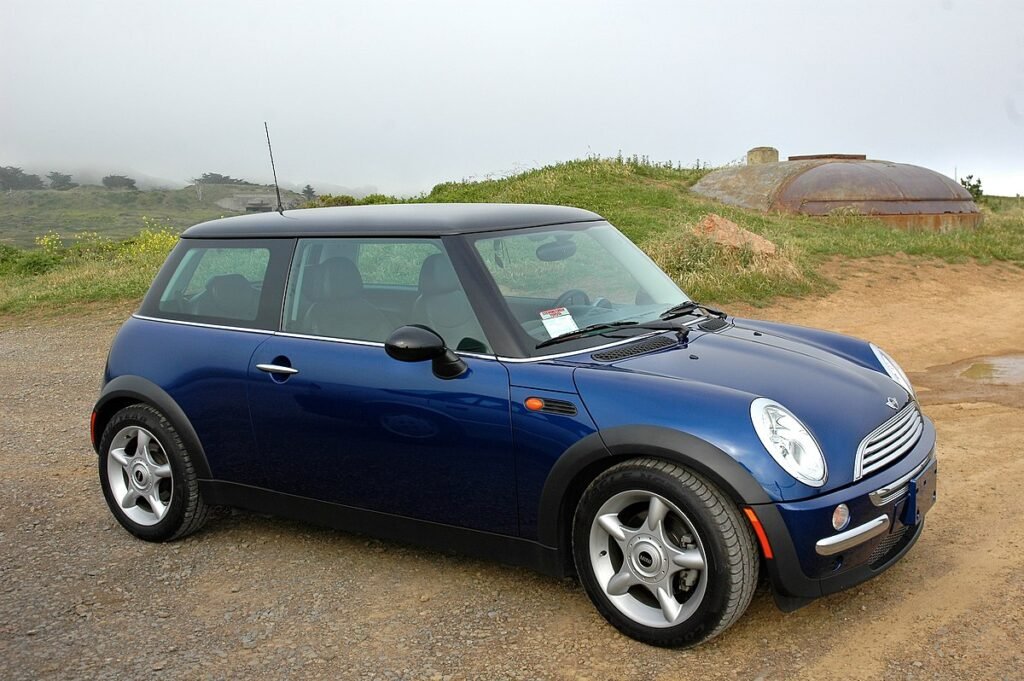
Best Engine Oil for Mini Cooper F56 1.5 136 HP
The Mini Cooper F56 with the 1.5-liter turbocharged engine delivers modern BMW engineering in compact form through the proven B38 powerplant. This efficient three-cylinder turbo produces 136 HP with strong torque (220-230 Nm) providing responsive performance and excellent fuel economy. Understanding correct oil specifications for the turbocharged BMW B38 engine code—particularly BMW Longlife-04 requirement and shortened service intervals—and implementing turbo GDI-specific maintenance like timing chain monitoring, carbon cleaning, and proper turbo cool-down helps maximize the 150,000-200,000+ km service life potential of this proven BMW modular engine.
Quick Answer: Recommended Oil
For Mini Cooper F56 1.5 136 HP:
- Viscosity: SAE 5W-30 (primary) or 0W-20
- Specifications: BMW Longlife-04, ACEA C3, VW 504/507
- Capacity: 4.25-4.5 liters with filter
- Recommended oils:
- Castrol Edge 5W-30 BMW LL-04 (Best for B38)
- Mobil 1 ESP 5W-30 (Premium BMW protection)
- Shell Helix Ultra ECT C3 5W-30 (Excellent protection)
- Total Quartz Ineo MC3 5W-30 (Good value)
Service Intervals: BMW official interval is 15,000 km or annually. For optimal turbocharged GDI and timing chain protection, implement 8,000-10,000 km intervals strictly.
Technical Specifications
Engine Code: B38A15A/M0 (BMW B38, 2014+)
Configuration: 1,499cc 3-cylinder turbocharged, aluminum block and head, DOHC 12-valve, hydraulic cam followers, high-pressure GDI with injectors in combustion chambers, twin-scroll turbocharger, Double VANOS variable valve timing (intake + exhaust), Valvetronic variable valve lift (intake), timing chain, 9.5:1 compression.
Performance: 136 HP @ 4,400 RPM, 220 Nm @ 1,250 RPM (230 Nm overboost), 0-100 km/h 7.9s, 210 km/h, 4.5-4.6 L/100 km
Production: 2014+ (Mini F56/F55/F57)
Applications: BMW 1 Series (F52), 2 Series, X1, Mini Cooper/Clubman/Countryman
Capacity: 4.25-4.5 liters with filter
The B38 represents BMW’s modular engine family with 0.5L per cylinder displacement. Twin-scroll turbocharger provides excellent low-end torque. Direct injection delivers precision fuel metering. Valvetronic eliminates throttle plate improving efficiency. Timing chain eliminates belt maintenance.
Oil Specifications: BMW Longlife-04 Required
BMW Longlife-04 (Primary): BMW low-SAPS specification absolutely required. Essential turbocharger protection under boost. Critical timing chain protection preventing premature stretch. Controls carbon deposits from direct injection. Compatible with emissions systems. Prevents turbo oil coking.
ACEA C3: Low-SAPS European specification for turbocharged GDI engines. Essential DPF compatibility (diesel variants). Superior turbo protection.
VW 504/507: Volkswagen low-SAPS specification meeting strict standards. Excellent turbodiesel and turbo gasoline protection.
Viscosity: 5W-30 primary (European market) or 0W-20 (some markets). Excellent cold-start protection. Adequate high-temperature protection under boost. Required for proper turbo oil feed.
Capacity: 4.25-4.5 liters. Standard capacity for compact turbocharged 1.5L three-cylinder.
Top Oil Recommendations
Best for B38: Castrol Edge 5W-30 BMW LL-04
BMW Longlife-04 with superior timing chain and turbo protection. Excellent GDI carbon control. Cost: £35-45/5L.
Premium Choice: Mobil 1 ESP 5W-30
BMW LL-04 with outstanding turbocharged protection. Superior high-temperature stability. Excellent timing chain protection. Cost: £40-50/5L.
Excellent Value: Shell Helix Ultra ECT C3 5W-30
BMW LL-04 compatible with excellent turbo protection. Superior oxidation resistance. Strong cleanliness. Cost: £35-45/5L.
Budget Choice: Total Quartz Ineo MC3 5W-30
BMW LL-04 providing solid turbocharged GDI protection. Good thermal stability. Cost: £30-40/5L.
OEM Option: BMW TwinPower Turbo 5W-30
Factory BMW LL-04 specification. Guaranteed compatibility. Convenient BMW dealer availability. Cost: £40-50/5L.
Oil Change Intervals & B38 Maintenance
BMW Official: 15,000 km | Recommended: 8,000-10,000 km (CRITICAL for timing chain!)
Shortened intervals absolutely essential for B38 timing chain protection. Timing chain stretch major concern requiring frequent fresh oil. Turbocharger demands quality lubrication. Direct injection increases carbon formation.
Guidelines: Urban 8,000 km, mixed 9,000 km, highway 10,000 km, high-mileage 8,000 km, performance driving 7,000-8,000 km.
Maintenance Schedule:
- Oil service: 8,000-10,000 km (timing chain + turbo protection!)
- Timing chain inspection: Listen for rattling noise cold start!
- Carbon cleaning: 40,000-80,000 km (walnut blasting)
- Spark plugs: 40,000-60,000 km
- Cooling system inspection: 80,000-100,000 km
- Turbo cool-down: 30-60s after high-load
Engine Characteristics & Service Notes
Positive Attributes: Excellent fuel economy (4.5-4.6 L/100 km), responsive power delivery, strong low-end torque (220 Nm @ 1,250 RPM), smooth for three-cylinder, lightweight aluminum construction. Expected 150,000-200,000 km with proper maintenance.
CRITICAL Service Notes:
Timing Chain Issues: PRIMARY B38 concern requiring strict maintenance. Timing chain can stretch causing rattling noise especially cold starts. Symptoms: rattling/knocking noise engine bay (particularly cold start), rough running, misfires, loss of power, check engine light. Timing chain tensioner failure possible. Prevention through 8,000-10,000 km oil intervals with quality BMW LL-04 oil absolutely essential. Neglect causes catastrophic engine damage. Replacement if failing: £800-1,500. Listen for unusual noises—early detection critical.
Carbon Buildup Intake Valves: Direct injection bypasses valves allowing carbon accumulation. Symptoms: rough idle, hesitation, reduced power, increased consumption, misfires. Professional walnut blasting required 40,000-80,000 km. Cost: £200-400. Quality fuel with detergent additives helps. Regular highway driving reduces buildup.
Oil Leaks: Common on B38 engines. Valve cover gasket and oil filter housing gasket degrade. Symptoms: oil spots, burning smell, oil level warnings. 15-20% owners report leaks. Monitor regularly; replace gaskets promptly. Cost: £150-300.
Cooling System: Electric water pump and thermostat known wear items. Failure not guaranteed but eventual replacement expected around 80,000-120,000 km. Symptoms: overheating, coolant leaks, temperature fluctuations. Replacement: £300-600.
Turbocharger Care: Twin-scroll turbo generally reliable. Some engines exhibit wastegate rattle low RPM (more annoyance than serious issue). Proper cool-down after high-load driving essential. Oil quality critical for turbo longevity.
Ignition Components: Spark plugs and coil packs can fail prematurely (common BMW issue). Symptoms: misfires, rough idle, reduced power. Relatively inexpensive fix. Fresh plugs 40,000-60,000 km recommended.
Oil Consumption: Some B38 engines consume oil at higher mileage. Monitor weekly. Up to 1L per 1,000 km within BMW specification (though undesirable). Top-up between services if needed.
Maximizing B38 Longevity
Essential Practices:
- Oil service 8,000-10,000 km strictly (timing chain protection!)
- Quality BMW LL-04 oil exclusively
- Listen for timing chain noise (cold start rattling = inspection!)
- Carbon cleaning 40,000-80,000 km (walnut blasting)
- Turbo cool-down 30-60s after high-load
- Premium 95+ RON fuel (9.5:1 compression + boost)
- Fresh spark plugs 40,000-60,000 km
Driving Best Practices: Brief warm-up (30-60s), gentle until operating temperature, smooth turbo operation, avoid lugging low RPM, cool-down after motorway/spirited driving (30-60s idle), regular highway driving helps carbon, quality fuel with detergents.
Timing Chain Protection: THE critical B38 maintenance. Shortened oil intervals (8,000-10,000 km) with quality BMW LL-04 oil absolutely essential. Listen carefully cold starts for rattling/knocking indicating chain stretch or tensioner wear. Early detection prevents catastrophic failure. Never extend oil intervals—timing chain depends on fresh oil lubrication.
Carbon Management: Walnut blasting every 40,000-80,000 km prevents severe buildup. Quality fuel with detergent additives helps. Regular highway driving 2,500+ RPM burns some carbon. Avoid excessive idling and short trips. Fuel additives with PEA (polyether amine) help cleaning.
Turbo Cool-Down: After motorway, towing, or spirited driving: idle 30-60 seconds before shutdown. Prevents oil coking. Immediate shutdown after sustained boost accelerates turbo damage.
Cooling System Monitoring: Check coolant levels regularly. Address leaks promptly. Electric water pump and thermostat eventual replacement items around 80,000-120,000 km.
Oil Leak Monitoring: Inspect regularly for oil spots. Address leaks early preventing major damage. Valve cover and oil filter housing gaskets common leak points.
High-Mileage (100,000+ km): Oil 8,000 km strictly, timing chain inspection (listen for noise!), carbon cleaning inspection, cooling system inspection (water pump, thermostat), spark plugs fresh, coil packs inspection, compression test, oil leak inspection.
Conclusion
The Mini Cooper F56 1.5 136 HP requires BMW Longlife-04 or ACEA C3 approved SAE 5W-30 oil with 4.25-4.5-liter capacity for optimal turbocharged GDI BMW B38 engine protection.
Choose proven BMW oils: Castrol Edge 5W-30 BMW LL-04 (best for B38), Mobil 1 ESP 5W-30 (premium), Shell Helix Ultra ECT C3 5W-30 (excellent), Total Quartz Ineo MC3 5W-30 (value). Verify BMW Longlife-04 specification.
Service at 8,000-10,000 km intervals strictly—essential for B38 timing chain protection preventing premature stretch and catastrophic failure. Listen carefully for timing chain rattling noise during cold starts—early detection critical preventing expensive engine damage. Professional carbon cleaning every 40,000-80,000 km maintains GDI performance. Implement turbo cool-down (30-60s idle after high-load). Use premium 95+ RON fuel. Fresh spark plugs 40,000-60,000 km. The BMW B38 delivers excellent efficiency with 150,000-200,000+ km potential when proper turbocharged GDI maintenance practices followed, emphasizing the absolute importance of shortened oil intervals protecting timing chain for this proven BMW modular three-cylinder powerplant found across Mini and BMW compact models.